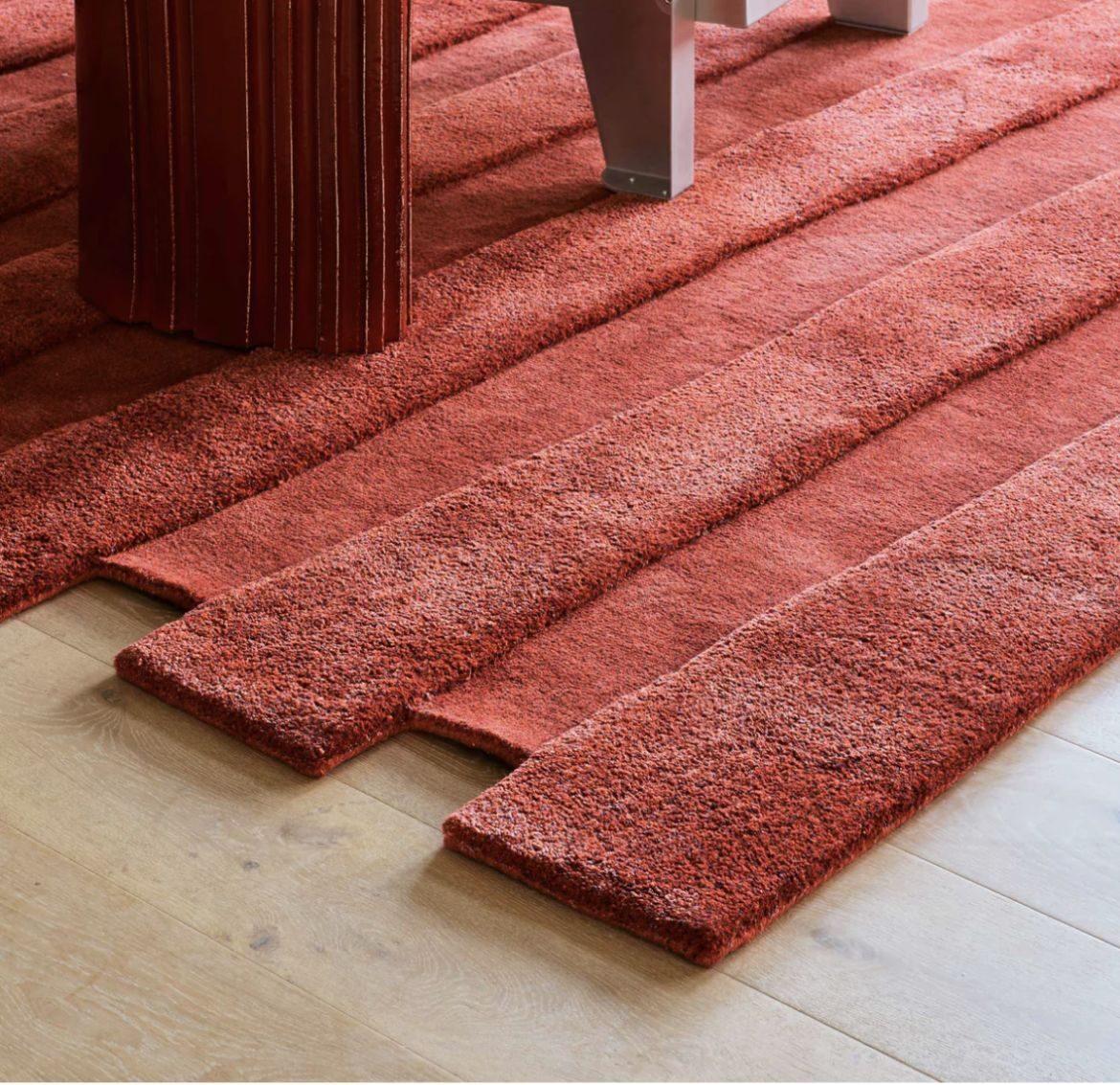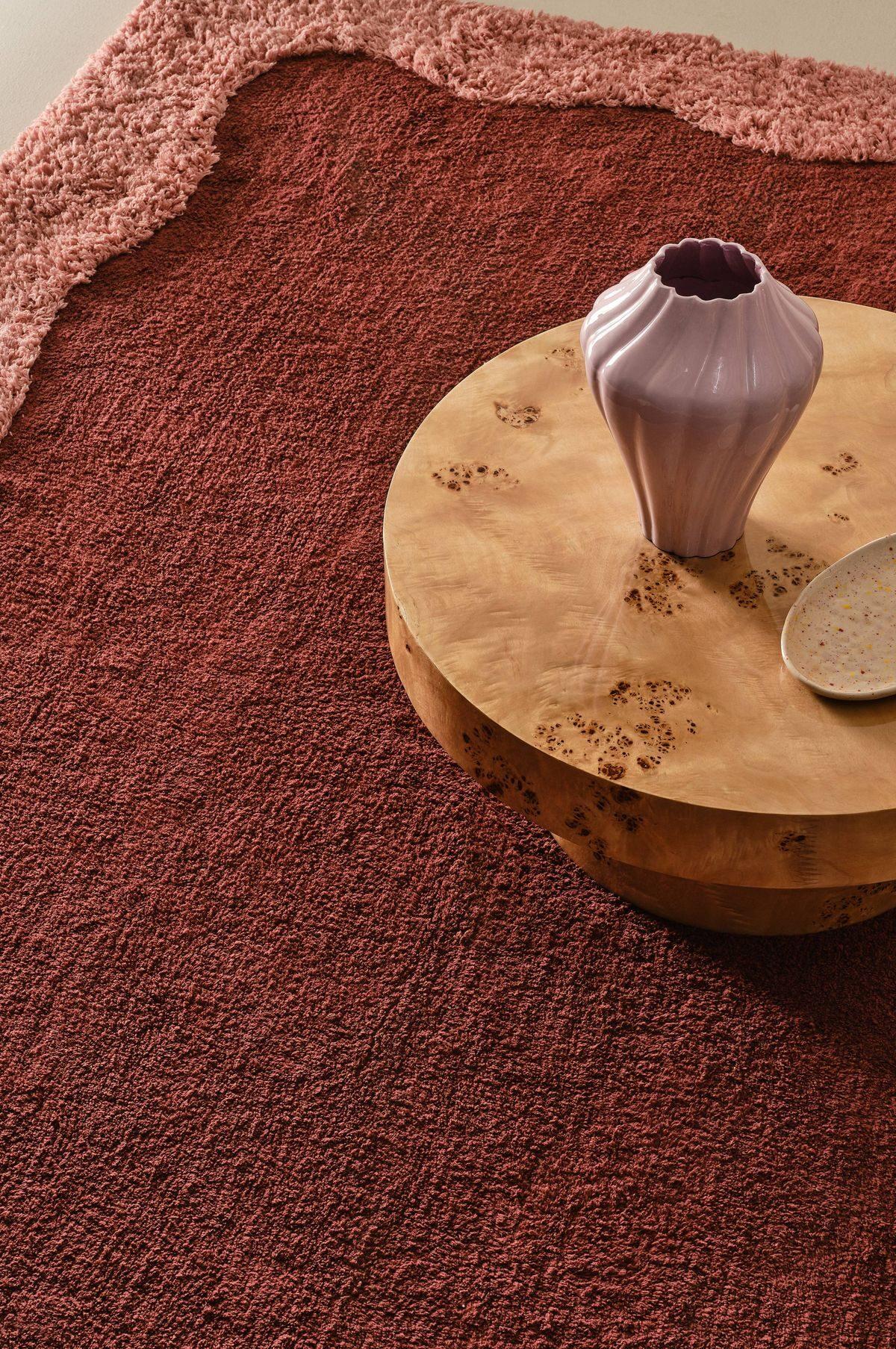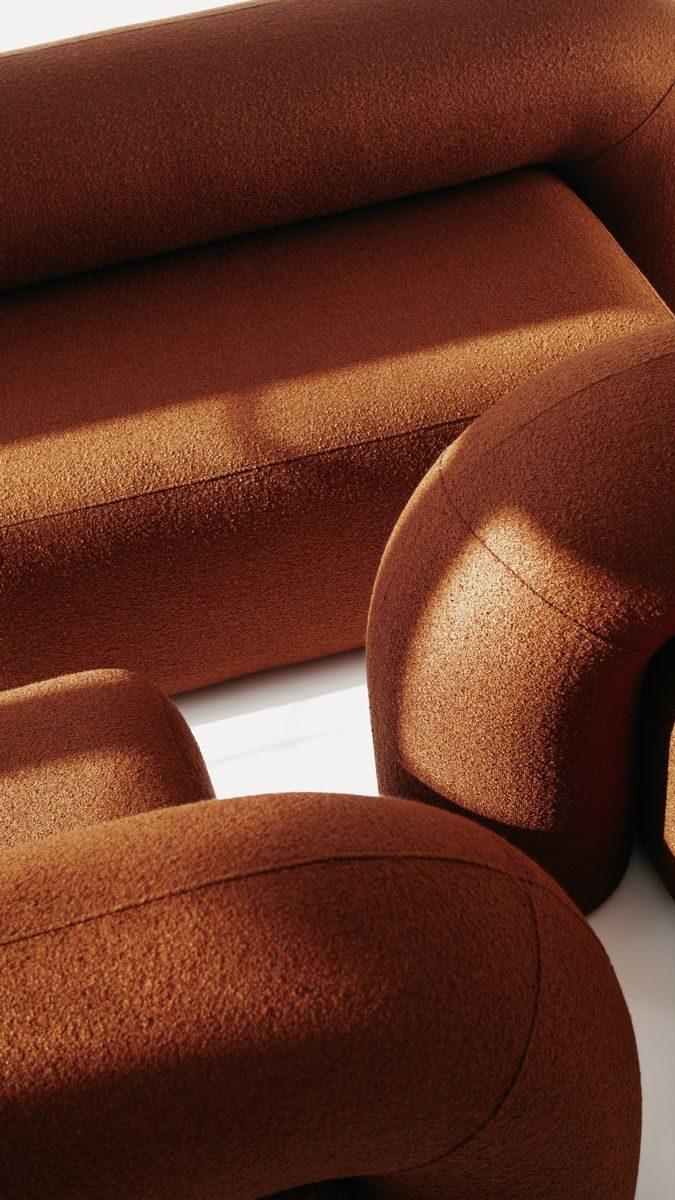
Why Your Rug Will Not Match the Photograph Exactly
Before you order · 31 March 2026 · 6 min · Published by Raheem & Son for RS Living
Every rug in the store is made by hand, so no two are identical and none is identical to its picture. Here is what varies, by how much, and why it is the point rather than the problem.
The short answer
Your rug will be very close to its photograph and it will not be a pixel-perfect copy of it. It is knotted or woven by a person, from wool that came off an animal, coloured in a dye bath that was mixed by hand. Every one of those steps introduces a small amount of difference, and the sum of those differences is what separates a handmade rug from a printed one.
We would rather tell you this before you order than explain it after. Nothing here is a defect. Everything in the store is made to order and woven only once you have asked for it. This does not affect your statutory rights.
Colour: the largest and most visible difference
Colour moves for two separate reasons, and it helps to keep them apart.
The first is the dye itself. Wool is dyed in batches, and no two batches land on precisely the same value. A skein dyed in March and a skein dyed in September will differ slightly even from the same recipe, because the water, the temperature and the wool itself were not identical. In a large rug you may see this as a soft horizontal banding across the pile, where the weaver moved from one batch of yarn to the next. The trade word for it is abrash, and in an antique piece it is the first thing a collector looks for.
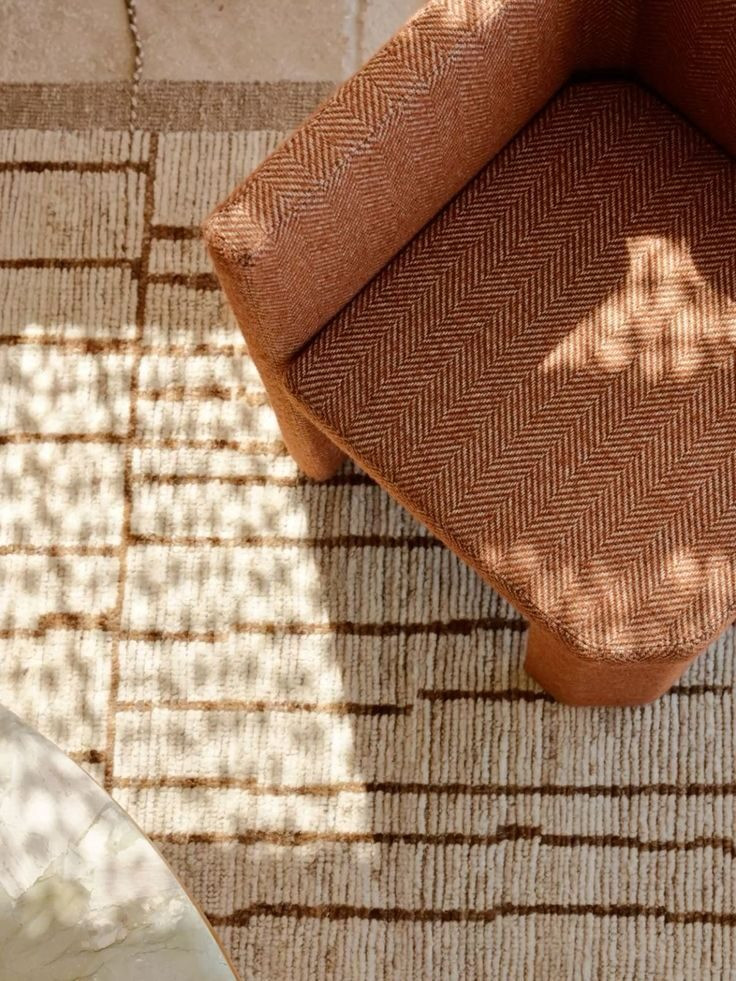
The second is light, and it is the one people underestimate. The photograph was taken under one set of conditions. Your room has north light or south light, warm bulbs or cool ones, a wall colour that throws its own tint across the floor. The same rug reads noticeably warmer under a 2700K lamp than under midday daylight. If a colour has to be exact, order a sample and look at it in your own room, at the hour you will actually use it.
Size: expect roughly one to two per cent
A handmade rug is made on a loom under tension. When it comes off the loom that tension releases, and the rug settles into its final dimensions. It is then washed and stretched, which moves it again.
The practical result is a tolerance of about one to two per cent on each dimension. On a 8 by 10 foot rug that is somewhere around one to two inches. It is also normal for a handmade rug to be very slightly out of square, or for one end to be a fraction wider than the other.
This matters most when a rug has to fit a fixed opening, an alcove, a stair or a run of joinery. If you are working to a tight space, tell us the constraint rather than the finished size, and we will weave to the smaller end of the tolerance rather than the larger.
Pile, texture and the first weeks
A new wool rug sheds. Short fibres left over from spinning and shearing work their way out of the pile for the first few weeks, and on a thick hand-tufted piece it can look alarming in the first vacuum. It stops. It is not the rug coming apart.
You may also see faint creases from rolling, occasional slightly proud tufts, and a pile that looks lighter from one direction and darker from the other. That last one is not a flaw at all, it is the pile direction catching the light, and it is why a rug looks different when you walk into the room from the other door. The first thirty days covers all of this in detail.
What is genuinely wrong, and what to do
There is a real line between variation and a fault. A hole, a tear, a seam coming apart, a binding that is failing, a stain that arrived with the rug, a rug that is materially the wrong size or the wrong specification: those are faults. Report a fault in a rug within 3 days of delivery and it is collected, repaired and sent back to you. This does not affect your statutory rights.
Photograph it in daylight, next to something for scale, and write to living@raheemandson.com with your order number. Nothing here was sitting in a warehouse waiting for a buyer. Your rug was woven for you. What we do instead is spend the time before you order making sure the thing we weave is the thing you want.
Questions
What if the colour is not what I expected?
Everything in the store is woven after you order it. This is exactly why we offer samples: a sample of the actual yarn, seen in your own light, tells you far more than any screen can. Ask for one before you commit.
How much colour variation is normal?
A slight shift in depth of shade, and in a large rug some soft banding across the pile. Both are normal in hand-dyed yarn. A rug that arrives in a plainly different colour family from the one specified is not variation, and we will put that right.
My rug is an inch smaller than I ordered. Is that a fault?
No. One to two per cent on each dimension is the accepted tolerance for a handmade rug, because it relaxes when it comes off the loom and moves again in the wash. If you have a fixed opening to fill, tell us the opening rather than the rug size and we will weave to the tight end of the tolerance.
Why does my rug look lighter from one side of the room?
The pile lies in a direction. Seen with the pile it reflects more light and looks lighter, seen against it, darker. It is a property of every cut-pile rug and it does not change over time.