The problem shows up eighteen months in
Phase one is approved and installed and everyone is happy. Phase two is ordered a year later from the same specification, from the same manufacturer, and when it arrives the rugs are close but visibly not the same. In a corridor where a phase one and a phase two rug meet, the difference is obvious to anyone.
Nothing has gone wrong in the sense of a fault. This is dye chemistry behaving normally across time, and it is entirely predictable, which means it is also largely preventable if the decisions are made at the start rather than discovered at the end.
Why colour moves
Dyeing is a wet chemical process on a natural fibre, and four variables move between one run and the next.
The wool itself. Different fleece, different flock, different season. Wool varies in its natural base colour and in how readily it takes dye, and the same recipe on a different clip lands slightly differently.
The water. Dyehouses draw from local supply, and pH and mineral content vary with season and source. This is a real and under-appreciated variable.
The process. Temperature, time and liquor ratio are controlled but not identical between runs, and small differences compound on deep shades.
The dyestuff itself. Batches of dye vary, and manufacturers reformulate. Over two years, a dyestuff can change more than the dyehouse realises.
The result is that deep saturated shades and greys move most, and mid-tone naturals move least. A programme built on deep indigo will fight this harder than one built on undyed and lightly dyed wool.
The reliable answer: dye once
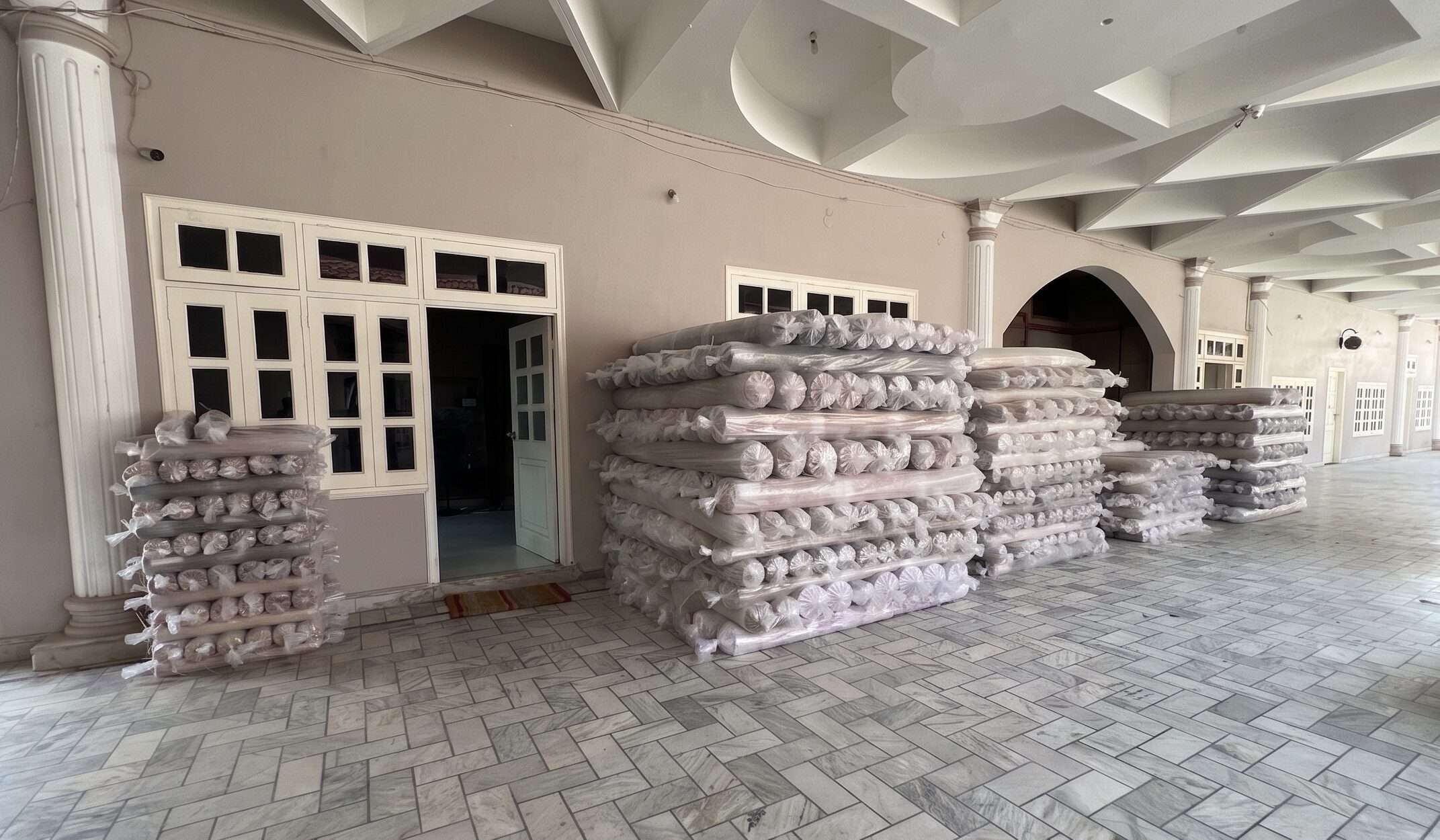
The only method that genuinely removes the problem is to dye all the yarn for the whole programme in a single run, at the start, and store it.
This is standard practice on serious contract work and it should be priced into the programme from the beginning. You are buying yarn earlier than you need it and paying to store it, and in exchange you get a programme that matches across phases.
It requires the total quantity to be known at the outset, plus an allowance for wastage and for the replacements you will need later. Add ten to fifteen per cent over the calculated requirement. Yarn is far cheaper than a mismatched reweave.
Confirm storage conditions. Dyed yarn stored badly, in daylight or in damp, changes anyway and the whole exercise is wasted.
When you cannot dye once
Sometimes the later phases genuinely are not known. There are three partial defences, and they are worth using together.
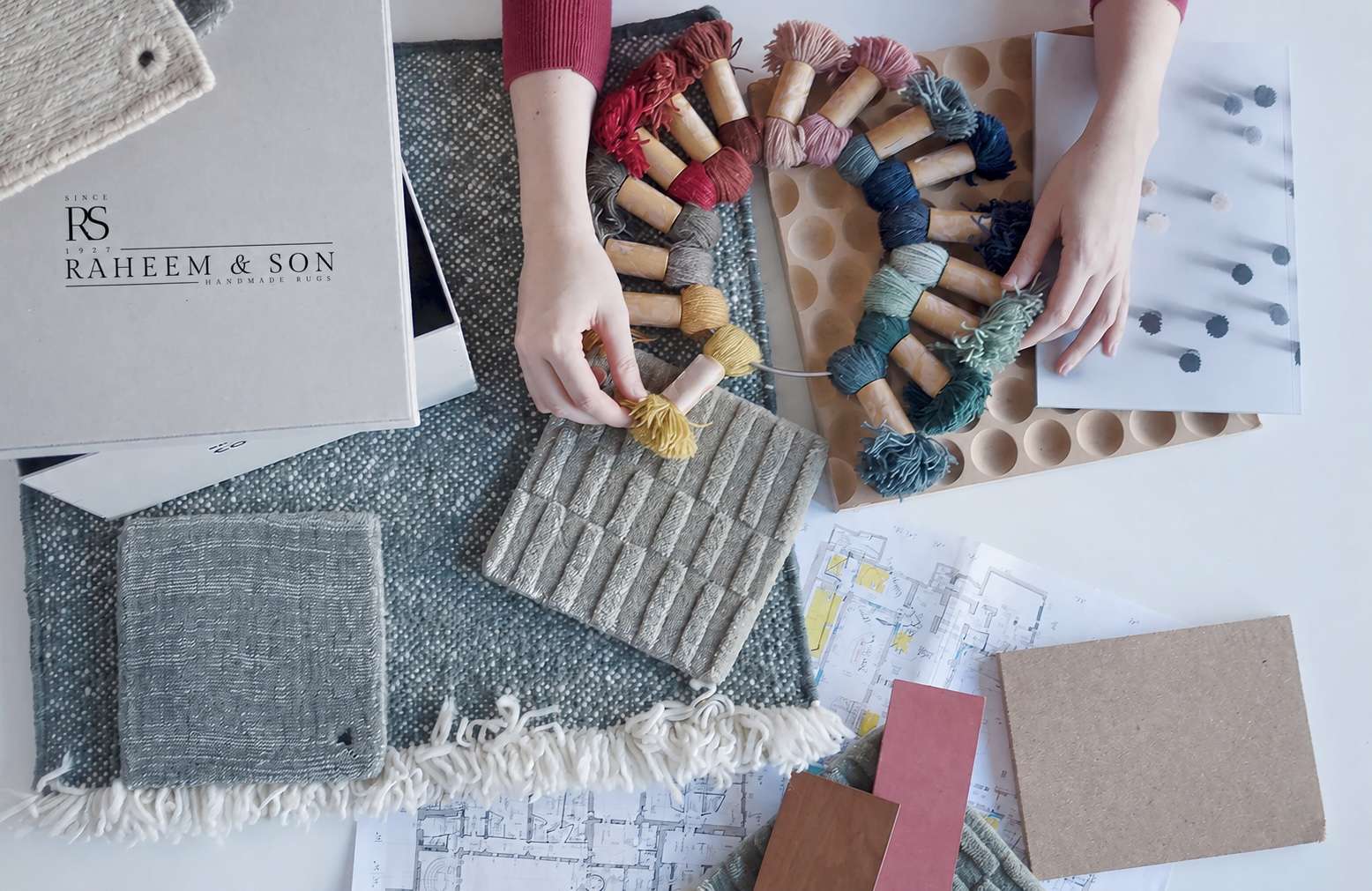
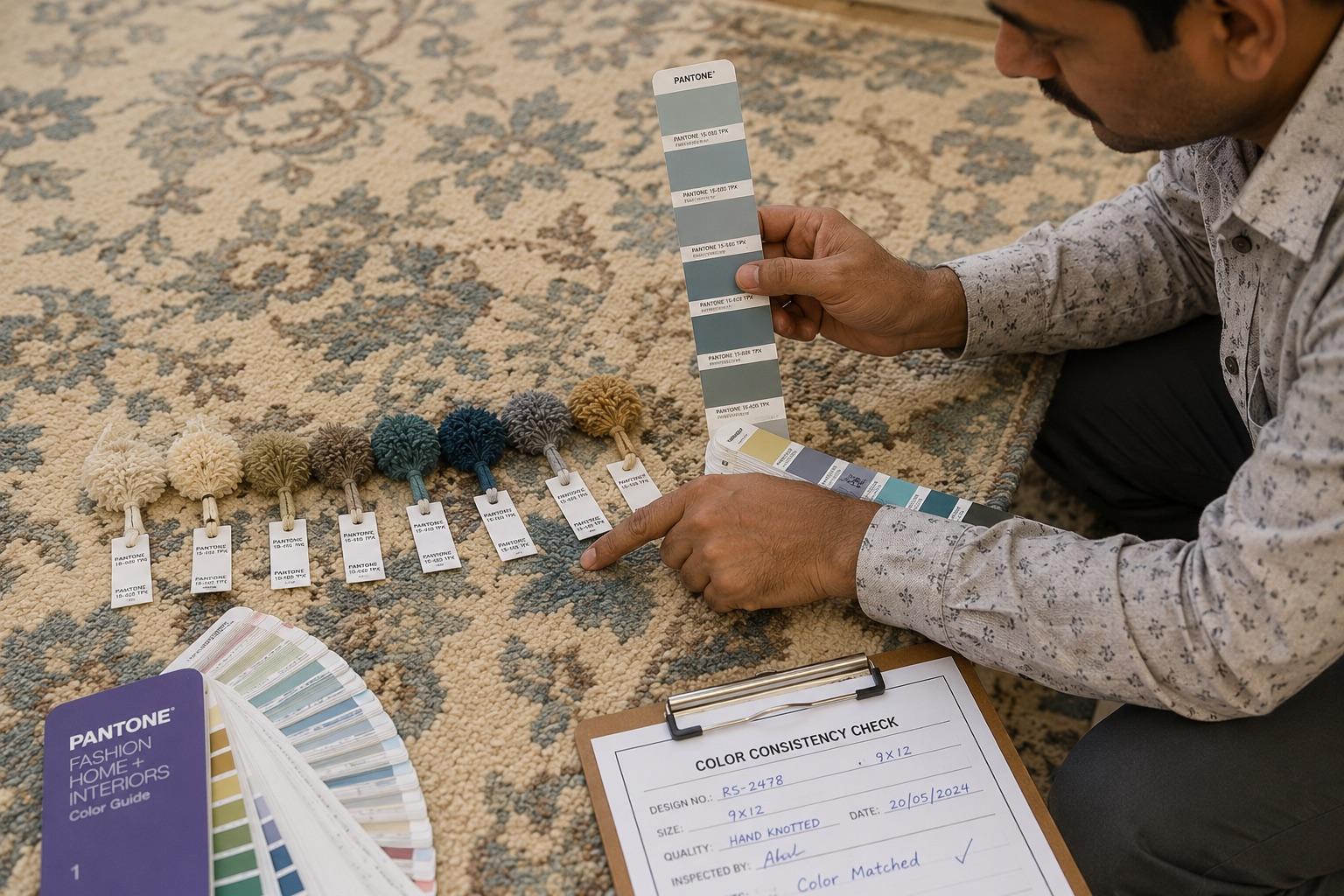
Keep a physical master standard. Not a photograph and not a digital value. A sealed, labelled physical sample of the approved colour, stored in the dark, held by both the buyer and the manufacturer. Every subsequent lot is judged against that master, not against the previous delivery, because judging each lot against the last one lets the colour walk steadily away from the original over several phases.
Specify the tolerance numerically. Agree a dE00 figure against the master, and agree the illuminant it is measured under. A visual match under one light is not a match under another, and the difference between two samples that match under daylight and diverge under tungsten is metamerism, which will follow the rug onto the site.
Plan the installation so phases do not meet. If phase two floors are physically separate from phase one floors, a small deviation is invisible. If they interleave along one corridor, it is glaring. This is a design decision available early and unavailable late.
What to write into the specification
State that a physical master standard will be sealed by both parties at approval and retained for the life of the programme.
State the colour tolerance as a number, the assessment illuminant, and that assessment is against the master rather than the previous lot.
State whether yarn is to be dyed in a single lot for the whole programme, and if so, who holds it and under what conditions.
State the attic stock requirement in the same clause, because replacement pieces have exactly the same colour problem as a later phase and the same solution.
And state plainly that abrash, the soft banding within a single rug where the weaver moved between skeins, is inherent to hand-dyed yarn and is not a defect. Without that sentence, an inspector will report it as one.