
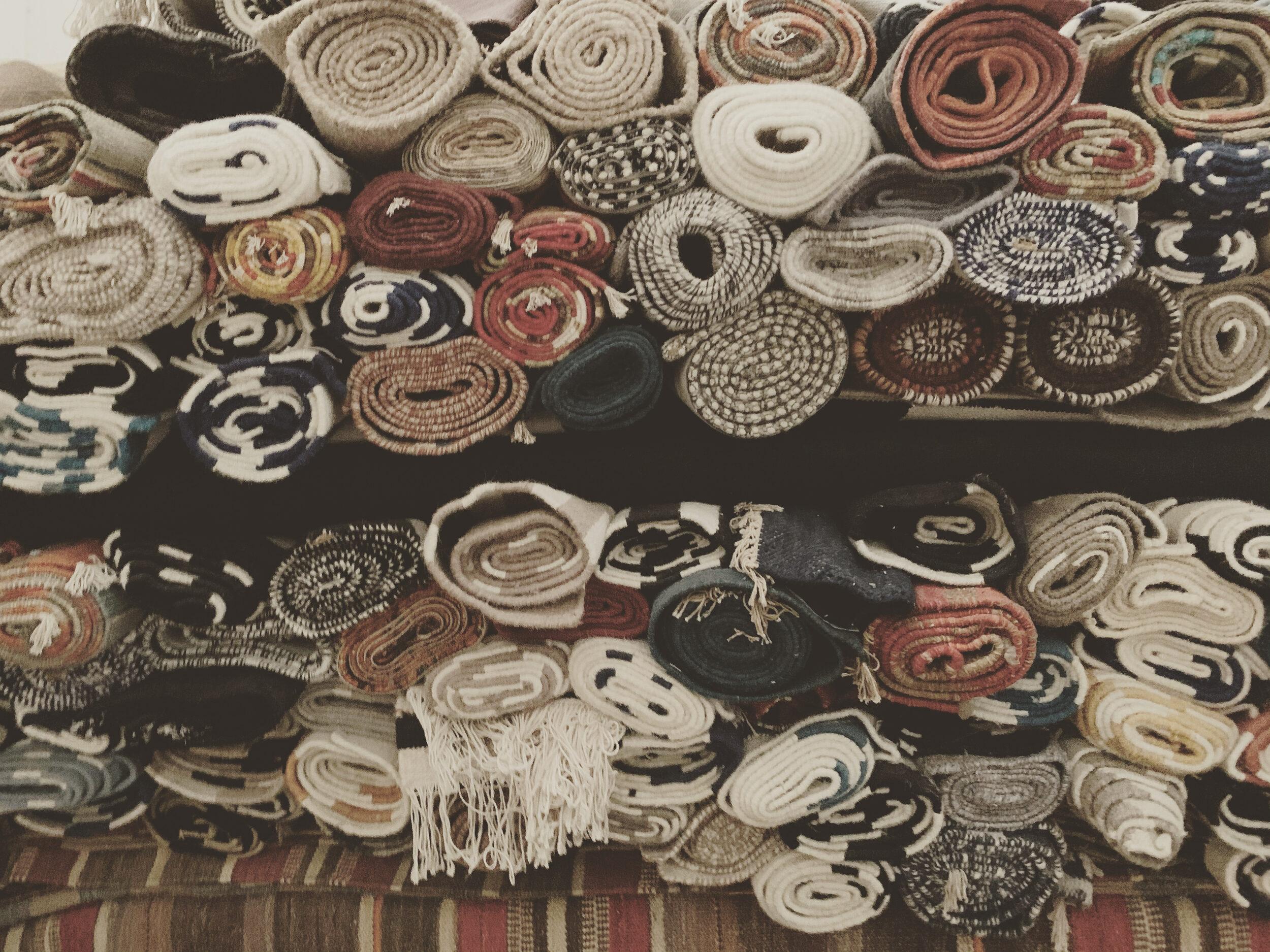
BUYING AGENCY, SINCE THE 1940S
Sourcing
Your desk in Bhadohi. Since the 1940s overseas buyers have come to this house to have their programmes placed, followed and shipped from India's carpet belt. We still do that work, for buyers who want one accountable desk between them and a hundred looms.
What a buying house does
One desk between you and the belt.
A buying agent works for the buyer, in the country where the goods are made. We find the right makers, put the order in writing, follow it loom by loom, inspect it and ship it, so you deal with one accountable desk instead of a dozen units you have never visited.
Supplier selection
We match your construction, quality and price to the right units across the Bhadohi and Mirzapur belt, our own looms included, and tell you which is which.
Sampling and strike-offs
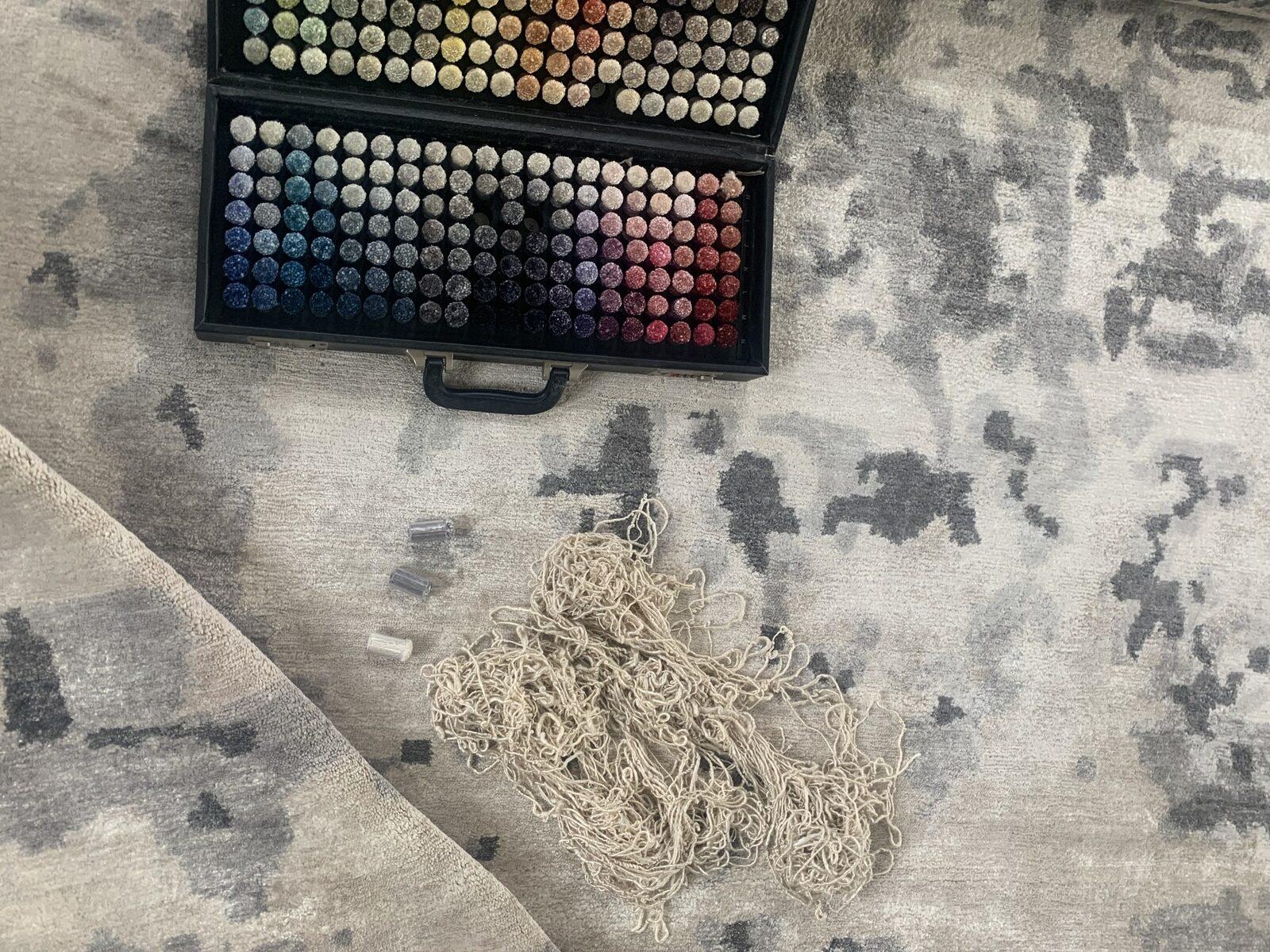
Samples at the approved construction before a production loom is committed, with colour judged against a sealed physical standard rather than a screen.
Order placement
Construction, tolerances, acceptable handmade variation and defect classes written into the order before weaving starts, so nothing is argued about later.
Production follow-up
Loom-level follow-up through the thekedars who run the work, so a slipping date is known in week three rather than week twelve.
Inspection
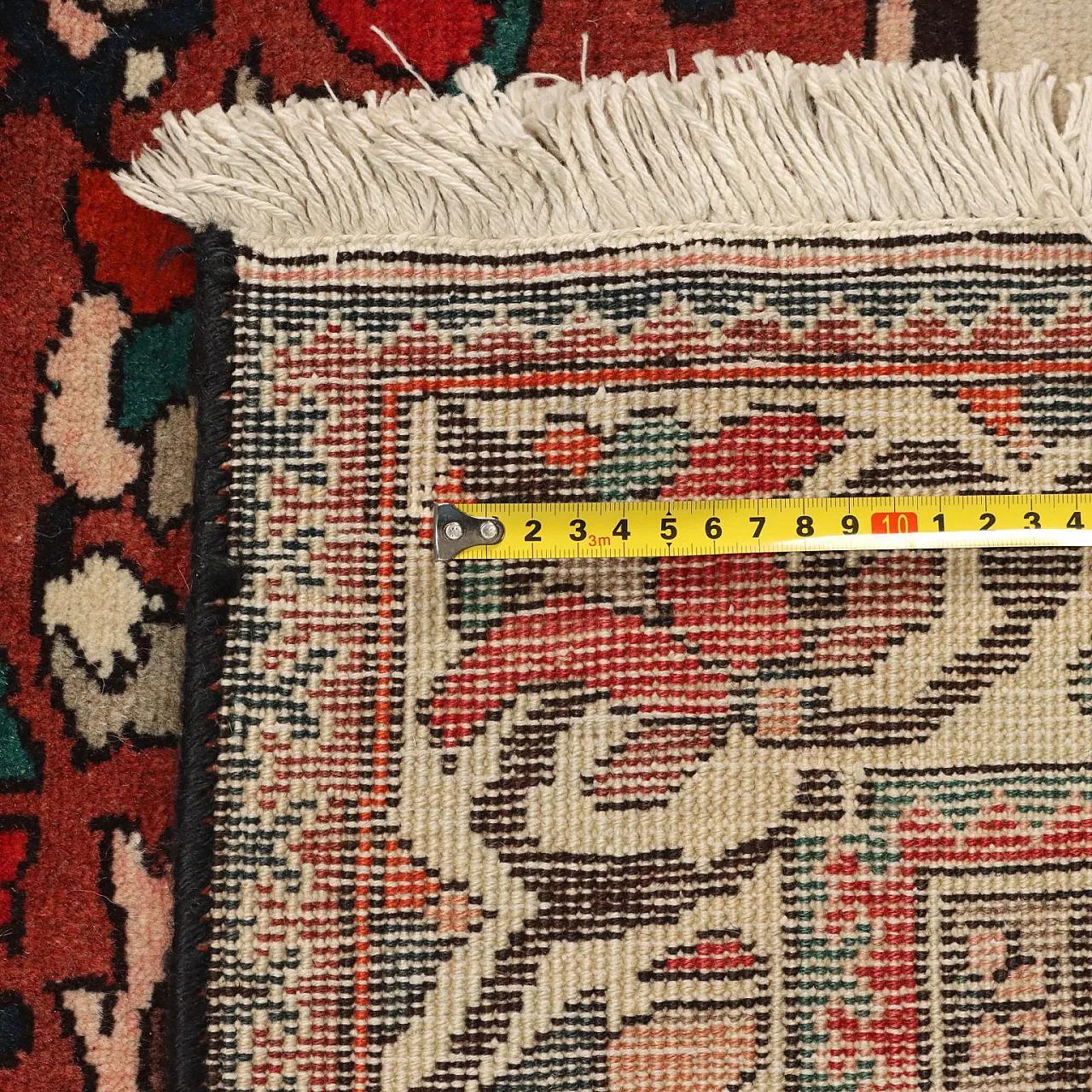
Checks at first-off and mid-run, and pre-shipment inspection against a written protocol. Independent third-party inspection arranged wherever you want it.
Compliance and dispatch
Due-diligence documentation, consolidation across units, labelling to your purchase order and dispatch to port on the Incoterm you choose.
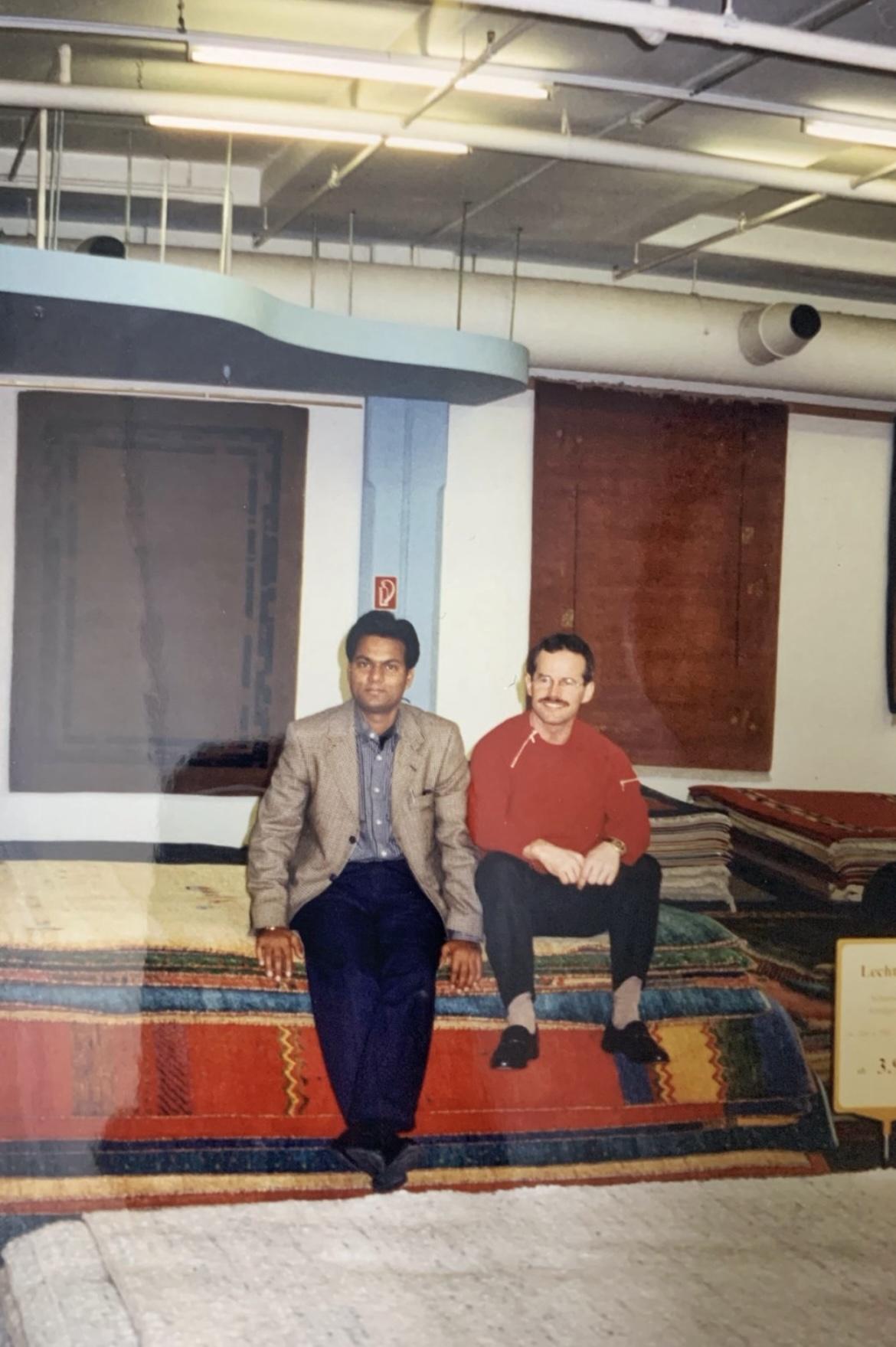
Since the 1940s
Buyers came to Bhadohi. They still do.
In the 1940s, alongside its own looms and its export business, the house ran a buying agency. Overseas buyers travelled to Bhadohi to place their orders here, and the house put the work out to contractors across the belt and followed every piece through to dispatch.
The trade calls this the putting-out system. The house holds the design and the yarn and distributes both to thekedars, the contractors who run the village looms, then collects, finishes and inspects what comes back. It is still how most of India's hand-knotted rugs are made.
What has changed is what a buyer needs from the desk in the middle. Finding a maker is no longer the hard part. Making sure the order is made to specification, legally and on time, is.
How it works
From brief to container.
Six stages, each with a written output you keep. The point of a buying house is that nothing important lives only in a phone call.
- 1. Brief
- Construction, sizes, quantities, target price, destination and deadline. The more precise the brief, the shorter and better the shortlist.
- 2. Shortlist and samples
- The units that can actually make it, with samples at the agreed construction. You approve colour against a physical standard you keep a copy of.
- 3. Order
- One purchase order per programme, with tolerances, variation and defect classes agreed in writing, and a statement of which units make which pieces.
- 4. Follow-up
- Regular loom-level reports through production. Problems are raised when they appear, not when the container is due.
- 5. Inspection
- First-off, mid-run and pre-shipment checks against the protocol. Faults are reworked before dispatch, not negotiated after arrival.
- 6. Dispatch
- Consolidation, packing and labelling to your purchase order, export documentation and delivery to port on your chosen Incoterm.
Agent and maker, openly
We make rugs too. Here is how that stays fair.
A buying agent works for the buyer and a manufacturer works for itself. We are both, which is useful and deserves a straight answer.
On every programme we state in writing which pieces go to our own looms and which are placed with other units, and why. If another unit is better for your construction or your price, that is where the order goes.
Terms are agreed per programme, as a commission on the order value or a fixed service fee, and set out before the first order is placed.
Due diligence is now the job.
Importers are increasingly asked to evidence how their goods were made. A buying house earns its place by producing that file.
Brief the desk
Tell us what you need made.
Construction, sizes, quantities, destination and when it has to land. Enquiries sent here reach the sourcing desk directly.
Sourcing
Buying agency questions
What is a carpet buying agent?
A buying agent represents an overseas buyer in the country where the rugs are made. The agent selects suppliers, places and follows the order, inspects the goods and manages dispatch, and is paid by the buyer rather than earning a margin on the rugs. RS Contract offers this service from Bhadohi, the centre of India's hand-knotted carpet trade.
How is a buying agent different from a manufacturer or exporter?
A manufacturer-exporter sells its own rugs and earns a margin on them. A buying agent works for the buyer and is paid for managing sourcing on the buyer's behalf. Raheem & Son has done both since the 1940s, and on every programme we state in writing which pieces are made on our own looms and which are placed with other units.
How is the sourcing service paid for?
Terms are agreed per programme, either as a commission on the order value or as a fixed service fee, and are set out in writing before the first order is placed.
What can you source?
Handmade rugs and floor coverings in hand-knotted, hand-tufted, handloom and flatweave constructions, together with the poufs, floor cushions and pillows made across the Bhadohi and Mirzapur belt.
What is the putting-out system in carpet manufacturing?
It is how most hand-knotted rugs in India are made. The exporter or buying house holds the design and the yarn and distributes both to contractors, known locally as thekedars, who run looms in weavers' homes and villages. The finished rugs come back to be washed, finished, inspected and shipped.
Do you inspect rugs before they ship?
Yes. Programmes are checked at first-off, during production and before shipment against a written protocol that sets tolerances, acceptable handmade variation and defect classes. Independent third-party inspection can be arranged for any order.
Which certifications does the sourcing desk hold?
Raheem & Son is a member of the Carpet Export Promotion Council, the body constituted under India's Ministry of Textiles. Where a programme requires a specific certification or a third-party social audit, it can be arranged against the order, and we will tell you plainly what exists today and what would need to be obtained.