
A rollout is a different problem from a project
A single hotel is a design problem with a delivery date. Twenty properties over three years is a systems problem, and the skills that deliver the first one well do not automatically deliver the twentieth.
The failures are consistent and they are rarely about weaving. Specifications drift as individual properties request changes. Colour walks away from the original across phases. Site conditions turn out to differ from the drawings. Nobody can say what was installed where when a replacement is needed in year four.
All four are addressable, and all four are addressed at the start or not at all.
Standardise the construction, vary the size
The single most valuable decision is to fix a small number of constructions and let dimensions vary freely across them.
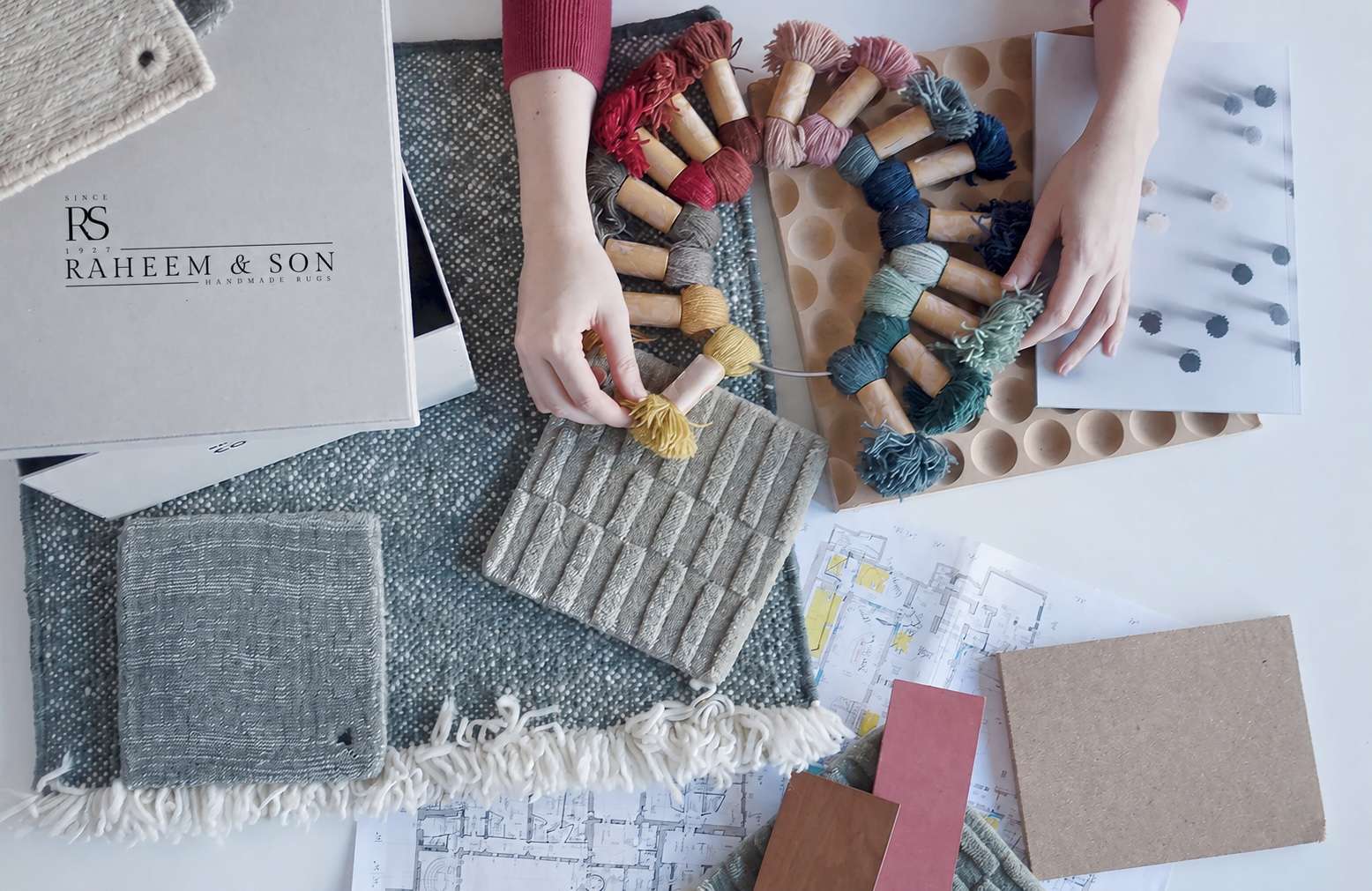
A construction is a fibre, a blend, a density, a pile height, a backing and a finish. Fix perhaps three of them across the estate: one for guest rooms, one for corridors and public circulation, one for signature public pieces. Test each once, price each once, approve each once.
Sizes then vary per property without any of that work repeating, because everything here is woven to order and a size is a decision rather than a stocked item.
This is what makes the programme both cheaper and more consistent. A property that wants a different look should get a different design within an approved construction, not a new construction.
Control the specification, in one place
Hold one controlled specification document, versioned, with a named owner who is the only person who can change it. Every property references the version, not a copy.
The commonest failure mode in a rollout is a property-level request, made informally by email to the manufacturer, that quietly becomes the new normal for everything ordered afterwards. Route every variation through the specification owner and record it as a version.
Keep a register of what was installed where: property, room or zone, design reference, construction, size, order number, phase, install date. This register is what a facilities team will rely on in year six, and it costs almost nothing to keep while it is being built and is impossible to reconstruct afterwards.
Sequence the production, not just the installations
Handmade production has a fixed rate. A loom produces a certain area per week and no amount of scheduling pressure changes it, so a rollout schedule that assumes elastic capacity will fail.
Ask the manufacturer for a realistic looms-available figure and a weekly output rate for each approved construction, and build the programme from those numbers backwards.
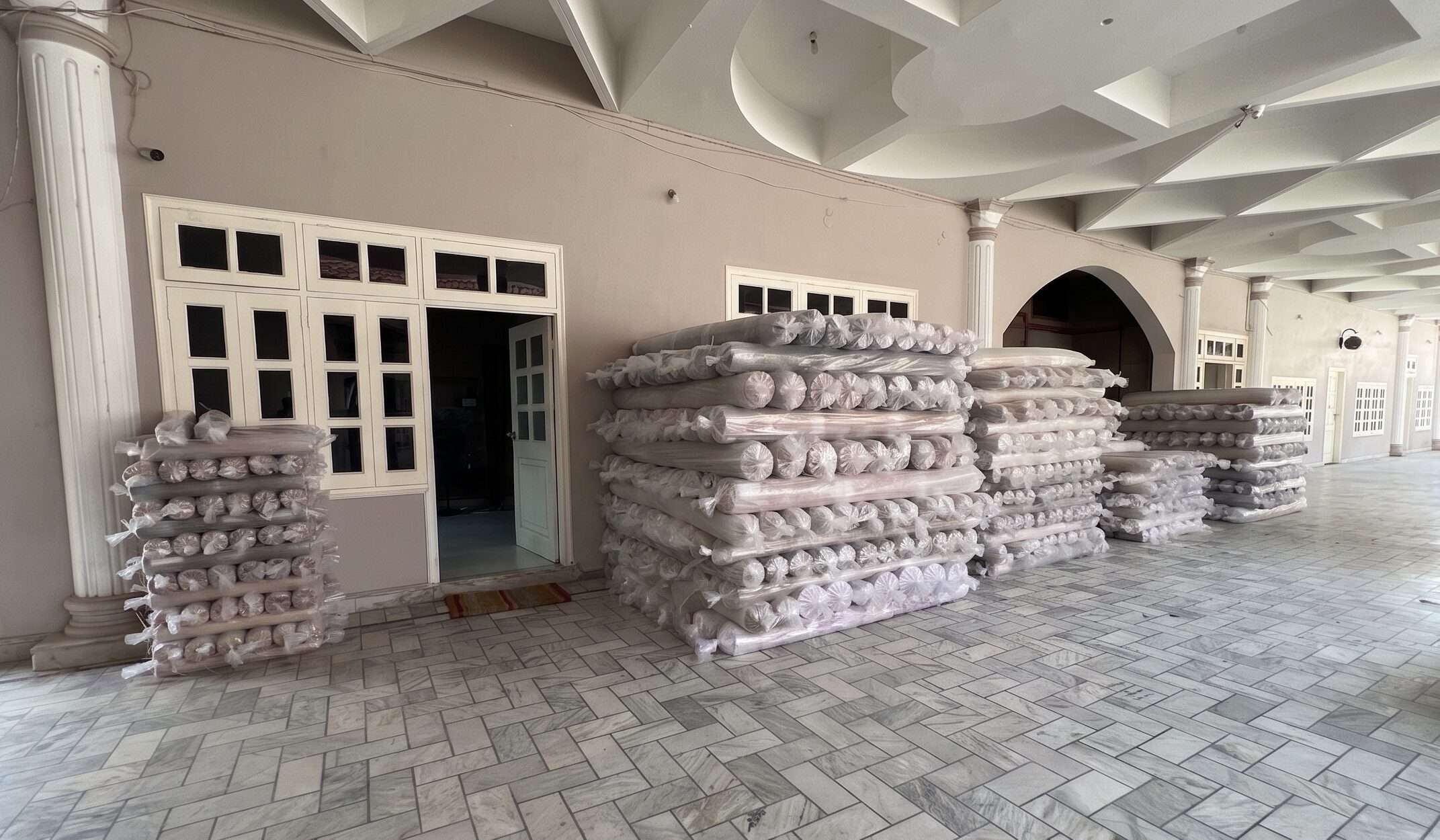
Order in batches that match the loom capacity, not the installation calendar. Storing finished rugs for six weeks is cheap. Missing an opening is not.
Dye all the yarn for the programme at the outset where the total is known. This is the only reliable defence against phase-to-phase colour drift, and it has to be decided before the first order rather than after the first mismatch.
Confirm site dimensions by physical survey before each phase, not from the drawings. Buildings are not built exactly as drawn, and a rug woven to a drawing that is fifty millimetres out is a rug that does not fit.
One programme, one point of contact
Multi-property rollouts involve an owner, an operator, a designer, a procurement agent, a main contractor and a manufacturer, and questions that fall between two of them are the ones that go unanswered until they become expensive.
Name one person on the buying side who owns the rug package end to end, and one on the manufacturing side. Both should stay for the life of the programme.
Agree in advance who decides on a colour deviation, who approves a first-off, who signs a variation and who pays for an expedited reweave. These are cheap conversations before phase one and expensive ones during phase three.
Hold a review after the first property completes, before the second is ordered. Almost every rollout learns something in the first installation that changes the specification, and the properties that go badly are the ones ordered before that lesson was captured.