A Daybed in the Living Room: Where It Goes and Why It Works
Styling · 17 October 2026 · 5 min · Published by Raheem & Son for RS Living
A daybed is a sofa, a guest bed and a reading spot in one. Where to place it, what rug to put with it and how to dress it so it looks intentional.
Why a daybed
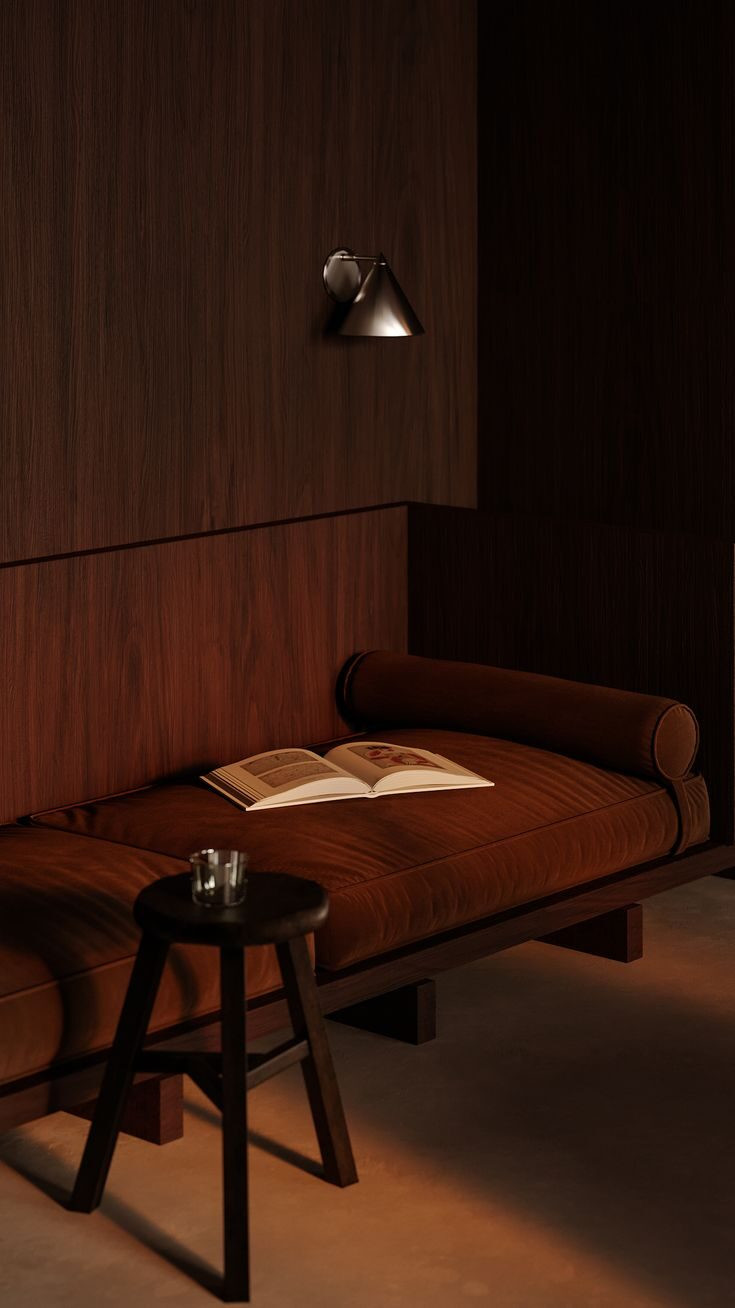
A daybed sits between a sofa and a bed. It seats several people in the day, takes one person lying full length to read or nap, and puts up a guest at night. In a small home or a study that sometimes becomes a spare room, that flexibility is worth more than a deeper sofa.
Our daybeds and benches are teak and cane, some upholstered in linen or velvet.
Where to put it
Long side against a wall is the classic placement: it reads as a sofa, and cushions along the wall give you a back. Under a window it makes a reading spot with daylight; keep cane out of hours of strong direct sun.
Floating a daybed in the middle of a room works when it divides a space, for instance with its back to a dining area. Then both long sides are on show, so choose one finished on all sides.
The rug underneath
Treat a daybed like a sofa: let at least the front legs rest on the rug so the seating group holds together. A daybed is often lighter visually than a sofa, so a rug with some pattern or texture stops the arrangement feeling thin. A flatweave is a good partner if the daybed is also used as a bed, because it is easy to walk on barefoot.
Dressing it
Three large cushions against the wall and a bolster at each end turn it into a sofa. Remove them at night and it is a bed. Use wool cushion covers in one or two colours drawn from the rug rather than many patterns.
A pouf in front works as a footrest and a place for a tray. See how to style a pouf.
Care
Teak and cane want dusting, a barely damp wipe for marks, and distance from heaters. Sit in the middle of cane rather than on the edge. See caring for cane and teak furniture. Furniture is made to order and is not yet available for delivery to the UK or EU.
Choosing the upholstery
Linen is cool, breathable and relaxed, and creases softly with use, which suits a daybed that is lounged on. Velvet is warmer and richer and shows the light; it suits a den or a room used mainly in the evening. Whichever you choose, check the upholstery on the product page and keep the daybed out of strong direct sun, which fades both.
If the daybed will often be a guest bed, a washable throw over the seat protects the upholstery and can be removed for the night.
Daybed or sofa: a quick comparison
How a daybed and a sofa differ in everyday use.
| Daybed | Sofa | |
|---|---|---|
| Seating | Several people, upright with cushions | Several people, deeper and more reclined |
| Lying down | Full length, one person | Usually shorter than full length |
| Guest bed | Yes, with the cushions removed | Only if it is a sofa bed |
| Visual weight | Lighter, often open underneath | Heavier |
| Best for | Small homes, studies, spare rooms | Main living room seating |
Planning around it
Measure the length of the wall you plan to put it against and the depth of the room in front. A daybed is usually deeper than a sofa seat, because it doubles as a bed, so check that the walkway in front remains comfortable.
If it will be a guest bed, think about where the cushions and bolsters go at night. A basket nearby or a bench at the end can hold them.
Place a side table or a tall pouf at one end for a lamp, so the daybed works as a reading spot in the evening.
Common mistakes
Too few cushions. Without cushions behind, a daybed is an uncomfortable sofa. Use enough to make a firm back along the full length.
Too many patterns. A daybed is a long horizontal surface; lots of patterned cushions along it look busy. Stick to two or three colours.
No rug. A daybed standing alone on a bare floor can look like a bed that has wandered into the living room. A rug under at least the front legs anchors it as seating.
Pushing it against a radiator. Leave a gap, especially with cane.
Daybeds in other rooms
In a bedroom, at the foot of the bed or under a window, a daybed gives a place to read that is not the bed itself. In a study, it turns a work room into a spare room. In a wide landing, it can make an otherwise empty space useful. In each case, the same rules apply: a rug under the front legs, enough cushions for a back, and a lamp within reach.
Questions
Can a daybed replace a sofa?
In a small room or study, yes. With cushions along the wall it seats like a sofa and still works as a bed.
What are RS Living daybeds made of?
Teak and cane, with linen or velvet upholstery on some pieces, as stated on each product page.
Should a daybed sit on a rug?
Let at least the front legs rest on the rug, as you would with a sofa.