Rug Care in the Monsoon: Keeping Wool and Jute Dry
Care · 17 October 2026 · 6 min · Published by Raheem & Son for RS Living
Humidity, wet feet and slow-drying air are hard on rugs. How to protect wool and jute rugs through the rainy season, and what to do if one gets wet.
What humidity does to a rug
A rug that stays damp for long is at risk of a musty smell, marks and, if left, mould on the back. Wool copes with humidity better than most fibres because it can hold some moisture without feeling wet, but it still needs to dry out. Jute is less forgiving: it absorbs water, softens and can stain when wet.
The aim through a rainy season is not to keep moisture out entirely, which is impossible, but to make sure a rug never stays damp for long.
Before the rains
Give the rug a thorough vacuum on both sides. Dust and grit hold moisture, and a clean rug dries faster.
Look at where it sits. A rug in front of a door to a balcony or garden will take the most water; move it back or swap in a doormat for the season. A rug on a ground-floor floor that can feel cold and damp may benefit from a breathable pad that lifts it slightly; see do you need a rug pad.
Day to day
Shoes off at the door, and wet umbrellas and raincoats kept off the rug. This single habit prevents most monsoon damage.
Keep air moving. A ceiling fan, open windows on dry days, and a dehumidifier in a closed room all help a rug dry out from everyday humidity.
Lift the corner of the rug every week or two and check the floor underneath. If the floor is damp, let both rug and floor dry before laying it back.
If a rug gets wet
Act the same day. Blot as much water as you can with towels, pressing firmly. Then raise the rug so air reaches both sides: over chairs, or on a clean, dry floor with something under it to lift it. Run a fan across it. Avoid strong direct sun, which can fade colour, and never put a heater right next to it.
A rug is not dry until the back and the base of the pile are dry, which takes longer than the surface. Feel the back before you lay it down. For a soaked wool rug, a specialist rug cleaner who washes and dries off site is the safe route. See care and cleaning.
Jute in the rainy season
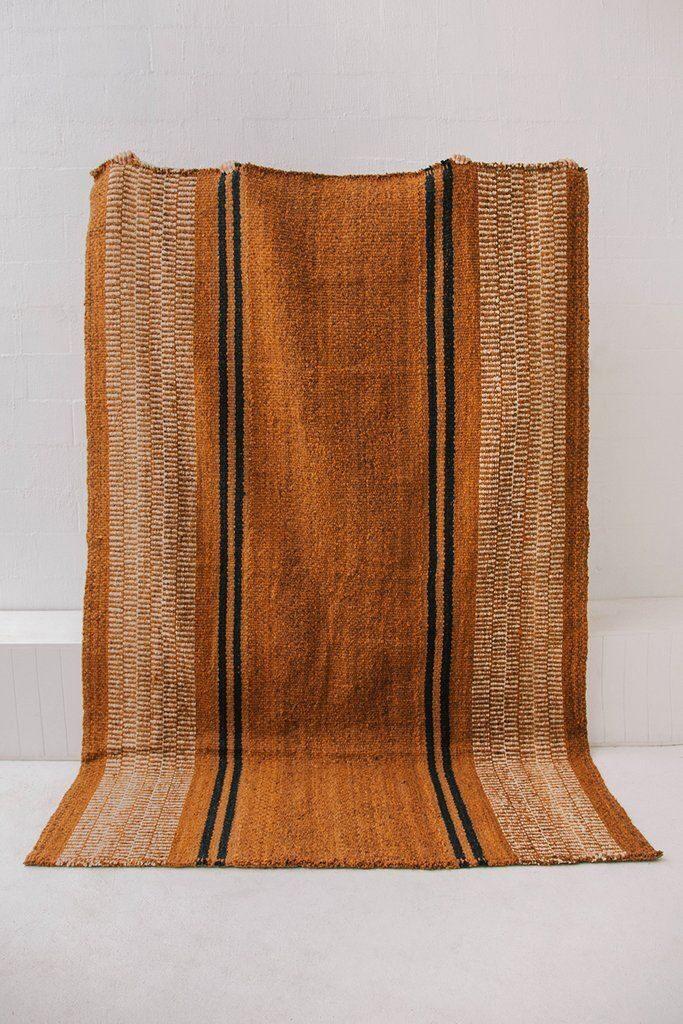
Natural jute rugs are best kept out of rooms where they will get wet. Blot spills at once, dry them quickly, and do not wash a jute rug with water. If a jute rug is in a doorway room, consider rolling it up for the wettest weeks and storing it somewhere dry and airy.
Storing a rug for the season
Only store a rug that is clean and completely dry. Roll it with the pile facing outwards, never fold it, and wrap it in breathable cotton, not plastic. Store it off the floor in a dry place, and unroll it to air now and then.
If you are ordering a new rug in the rainy season, it is made to order (estimated production time: hand-knotted about 90 days, Oushak and handloom about 60 days, hand-tufted about 50 days, poufs about 45 days; other pieces usually a few weeks), and shipping within India is free. Tell us if you would like delivery timed for after the heaviest weeks.
Signs a rug is staying too damp
A musty smell that comes back after airing. A cool, slightly damp feel on the back of the rug. Marks appearing on the floor under the rug. Pale or dark patches on the back. Any of these means the rug is not drying out between damp days, and it needs more air, a move away from a wet doorway, or a professional clean and dry.
A weekly routine for the rainy season
Vacuum both the top and, every couple of weeks, the back of the rug and the floor beneath it.
Open windows on any dry, breezy day and run fans in rooms with rugs.
Lift a corner and check the floor. If it feels damp, lift more of the rug and let air in under it until both are dry.
Keep a mat at every outside door and make shoes-off the house rule for the season.
Wool, wool and silk, and jute compared
Each material behaves differently when the air is wet.
| Material | In humid air | If it gets wet | Best practice |
|---|---|---|---|
| Wool | Copes well; holds some moisture without feeling wet | Blot, raise and dry with moving air; specialist clean if soaked | Airflow, shoes off, check the floor underneath |
| Wool and silk | As wool, but silk marks more easily | Blot gently, never rub; specialist clean if soaked | Keep in a dry, low-traffic room |
| Jute | Can soften and feel limp | Blot at once and dry quickly; do not wash with water | Keep out of wet rooms; roll up for the wettest weeks if needed |
Common mistakes
Laying a rug back down on a floor that has been mopped and is still damp. Wait until the floor is completely dry.
Drying a wet rug flat on the floor without lifting it. The back stays wet even when the top feels dry.
Using a heater or hair dryer close to the rug. Concentrated heat can damage wool and shrink it.
Rolling a rug for storage while it is even slightly damp. That is how mould starts.
Covering a stored rug in plastic. It traps moisture; use breathable cotton.
Questions
How do I get a musty smell out of a rug?
Dry it fully with air moving on both sides, and vacuum it thoroughly. If the smell stays, a specialist rug cleaner should wash it, because the back may still be damp.
Can I dry a wet rug in the sun?
Briefly is fine, but strong direct sun fades colour. Moving air, with the rug raised so both sides dry, is better.
Should I roll up a jute rug in the monsoon?
If it is in a room where it will get wet, yes. Store it clean, dry, rolled and wrapped in breathable cotton.
Is wool good in humid weather?
Wool copes better than most fibres, but it still needs to dry out. Keep air moving and keep wet shoes off it.