How to Light a Room So the Rug Still Reads
Light · 11 June 2026 · 6 min · Published by Raheem & Son for RS Living
Most rooms are lit from the ceiling, which is the one angle that flattens a rug completely. Where to put light so a hand-knotted floor keeps its depth after dark.
Overhead light is the enemy of pile
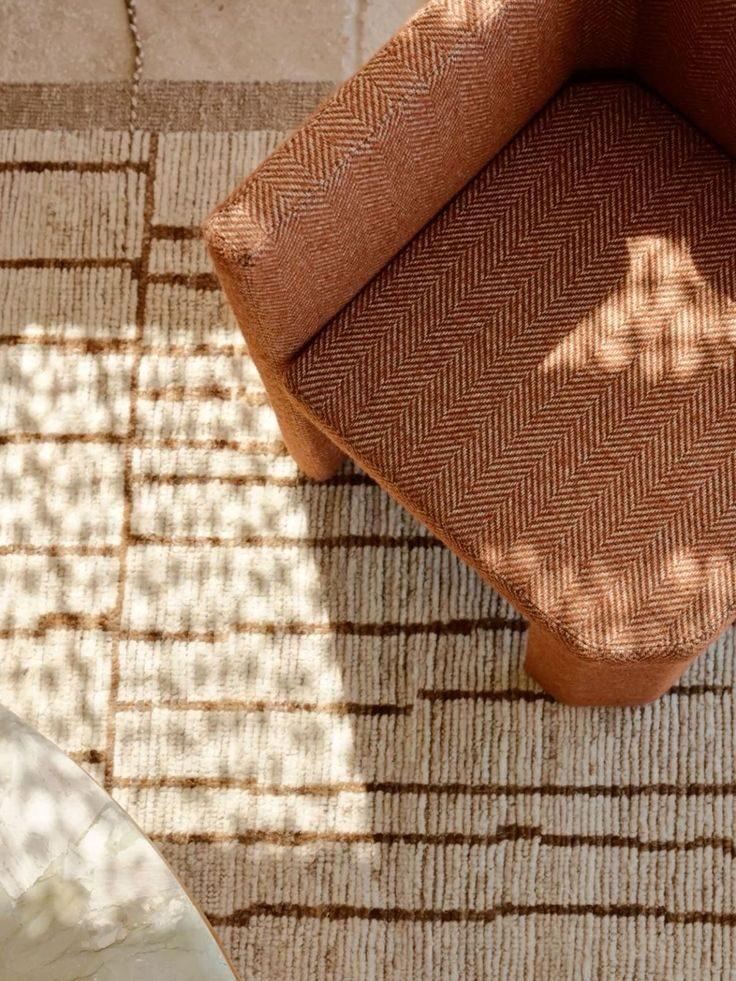
A cut-pile rug is thousands of upright fibres. What makes it look deep and alive is the shadow each fibre casts against its neighbours.
Light coming straight down from a ceiling fitting hits the tips of those fibres and nothing else. There is no shadow, so there is no depth, and an expensive hand-knotted rug looks like a printed mat.
Light arriving at a low angle rakes across the pile, every fibre casts a small shadow, and the surface reads as the three-dimensional object it actually is. This is also why the same rug looks different from the two ends of a room.
Where to put the light
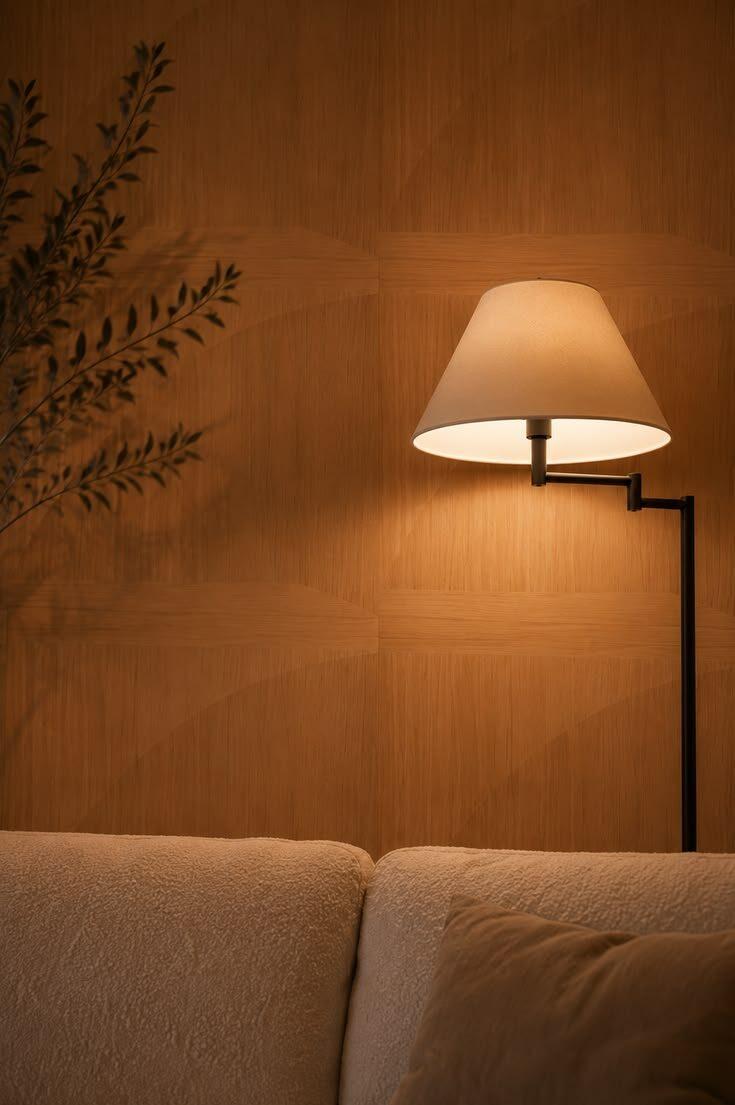
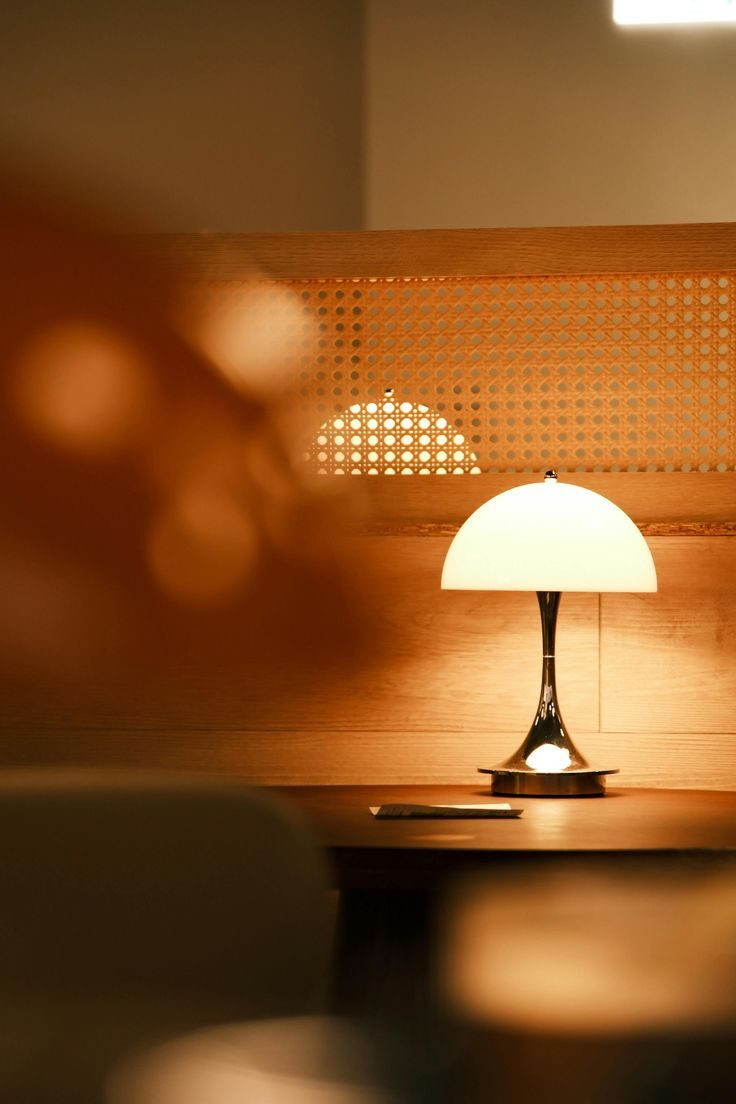
Low and to the side. Table lamps at roughly 40 to 60cm above the surface they stand on, floor lamps with the shade at seated eye level, wall lights that throw across rather than down.
Three sources beat one. A single bright fitting flattens; three modest ones at different heights build the layers that make a room feel considered after dark.
Put at least one source low enough to catch the floor. A lamp on a side table with the bottom of the shade around 100 to 120cm from the ground will rake the rug in a way a ceiling fitting never can.
If you must use a ceiling fitting, put it on a dimmer and treat it as fill rather than as the main event.
Colour temperature, and why it matters more with wool
Use 2700K, warm white, in any room with a wool rug. Wool's natural colour is warm, and the dyes used on it are formulated to be seen in warm light.
At 4000K, cool white, undyed wool reads grey and slightly dirty, reds go brown, and the whole floor loses a layer. It is the single most common lighting mistake in a room with a good rug.
Keep every bulb in one room to the same temperature. Mixing 2700K and 4000K in one space is more visible than any individual choice, and it makes a room feel like an office corridor.
Look for a CRI of 90 or above. Colour rendering index measures how faithfully a light source shows colour, and a low-CRI bulb will strip the subtlety out of a rug that took months to weave.
A practical layout for a sitting room
One floor lamp behind or beside the main seat, shade at seated eye level, for reading.
One or two table lamps on side tables, at roughly 100 to 120cm to the base of the shade, to rake the floor and light faces.
One low source, a small lamp on a shelf or a plug-in wall light, purely for depth in the corners. A room with no dark corners has no depth.
Everything on dimmers if you can. A rug at full brightness and the same rug at forty per cent are two different rugs, and the low setting is usually the better one.
Questions
What colour temperature is best for a room with a wool rug?
2700K warm white, with a colour rendering index of 90 or above. Cool white at 4000K makes undyed wool look grey and turns reds brown.
Why does my rug look flat at night?
Because it is being lit from directly overhead. Light from above hits only the tips of the pile and casts no shadow. Add a low, side-on source and the texture returns.
How many light sources does a living room need?
At least three at different heights, ideally on dimmers. One bright ceiling fitting flattens everything, including the floor.
How high should a table lamp be?
The bottom of the shade at roughly 100 to 120cm from the floor when the lamp stands on a side table, which puts light at seated eye level and lets it rake across the rug.