Styling a Side Table Without Clutter
Styling · 29 June 2026 · 4 min · Published by Raheem & Son for RS Living
Three objects, three heights, one of them alive. The oldest rule in styling, why it works, and how to apply it to a surface the size of a dinner plate.
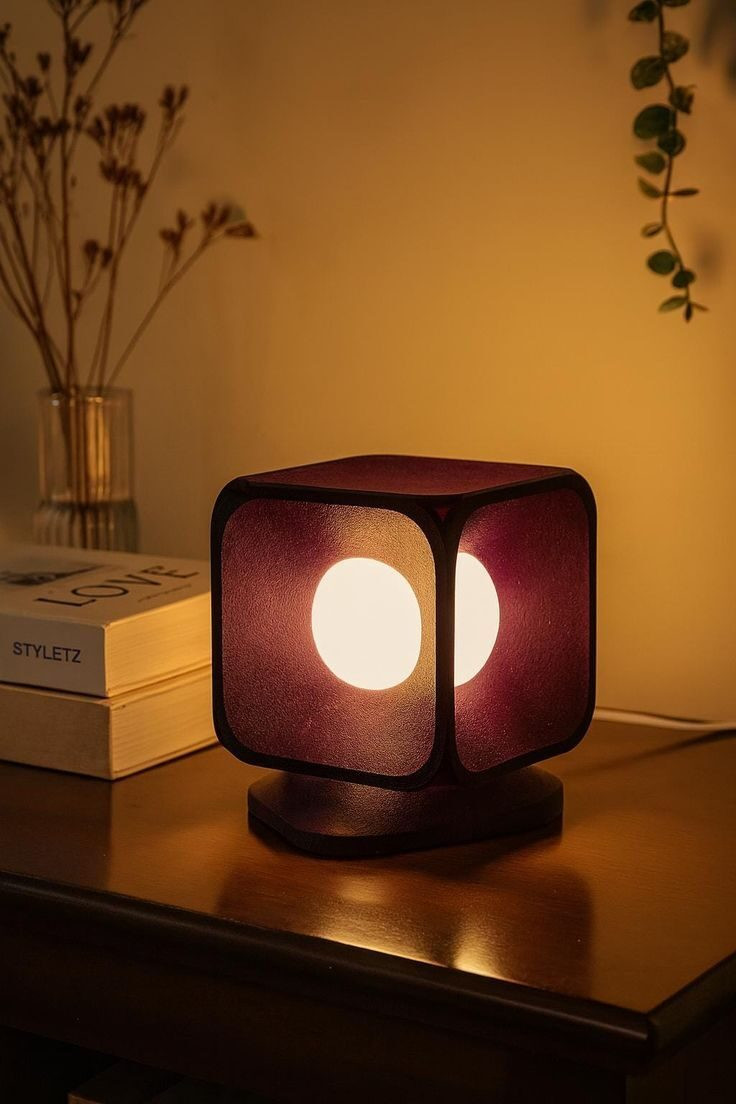
Three objects, three heights
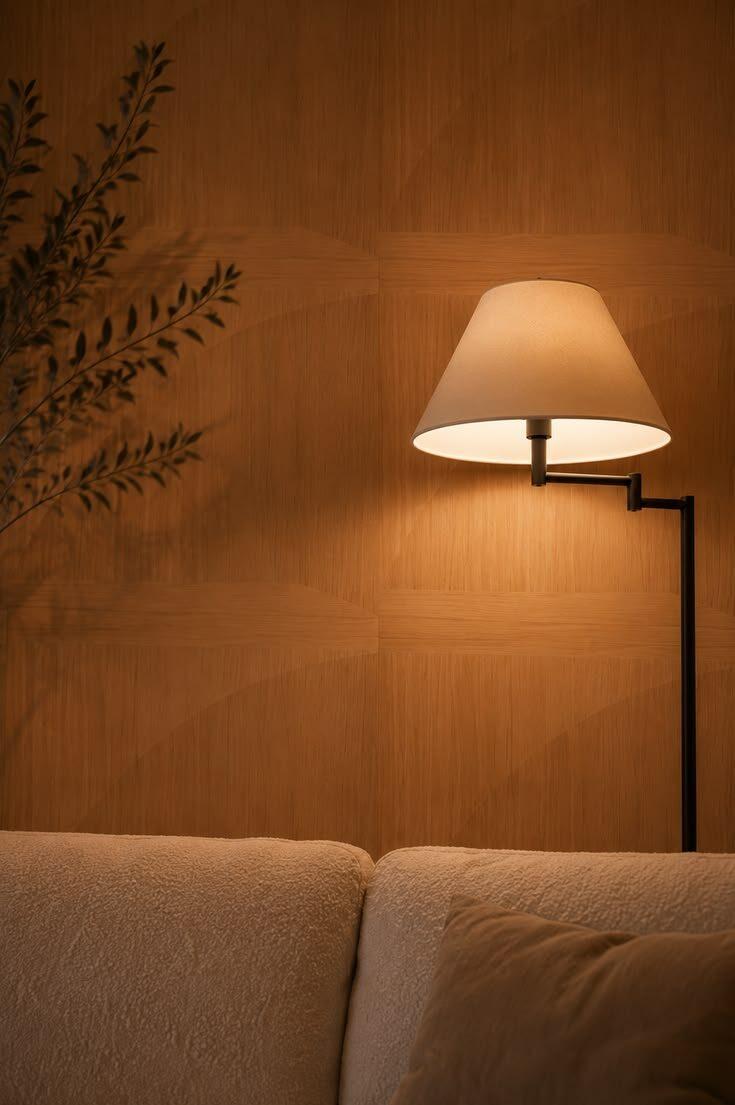
The picture above is the whole method: a lamp, a stack of books, a vessel with something dried in it. Tall, low, medium. Nothing else.
Three is the number because two reads as a pair and looks static, and four or more stops being a composition and starts being storage.
The heights matter more than the objects. Three things of the same height read as a row. Three at different heights read as a group, and the eye moves between them instead of scanning past.
Give one of them some life: dried stems, a branch, a plant. Every arrangement of hard objects needs one soft irregular thing or it looks like a shop display.
Leave room for a cup
A side table is furniture before it is decoration. If there is no clear space to put a glass down, everything on it will be moved every evening and it will never look the way you arranged it.
Keep roughly a third of the surface empty, and keep that third at the front where a hand naturally reaches.
This is why the books lie flat rather than standing: a horizontal stack is a plinth for something else and it doubles as a coaster, whereas upright books need bookends and eat the whole surface.
Choosing the objects
Vary the material as well as the height. Wood, ceramic, glass, metal, paper. Three objects in the same material read as a set even when they are not.
Let one thing be reflective and the rest matte. A single glazed or glass piece catches lamplight and gives the group a focal point.
Scale to the table. A 40cm side table takes a small lamp, a slim book stack and something the size of a fist. The commonest error is a lamp too large for its table, which makes the table look like an accident.
Repeat one colour from the rug. A single object picking up a tone from the floor ties the corner together without any obvious effort, which is the same principle behind choosing cushions.
Where it usually goes wrong
Too many small things. Five objects under 10cm read as clutter however carefully they are placed. One larger object beats three small ones.
Everything pushed to the edges. Group objects so they touch or nearly touch, in one part of the surface, and leave the rest genuinely empty. Spreading things evenly is what makes a table look like a display counter.
Nothing tall. A side table with only low objects on it disappears next to a chair. The lamp, or something else with height, is what makes the corner read from across the room.
Never being touched. A side table that stays perfect is one nobody uses. The arrangement should survive a cup, a book and a pair of glasses being put down on it.
Questions
How do you style a side table?
Three objects at three different heights, grouped together rather than spread out, with one of them something living or dried, and roughly a third of the surface left clear.
How many things should be on a side table?
Three. Two reads as a static pair, and four or more stops looking composed and starts looking like storage.
What size lamp for a side table?
Small enough that the shade does not overhang the table edge. An oversized lamp on a small table is the most common error on a side table.
Why does my side table always look cluttered?
Usually too many small objects and no clear space. Replace three small things with one larger one, and keep the front third of the surface genuinely empty.