High-Low and Carved Pile, or How a Rug Gets Texture Without Pattern
Choosing · 12 August 2026 · 5 min · Published by Raheem & Son for RS Living
Some of the quietest rugs carry their pattern in relief rather than in colour. How carving and mixed pile heights are made, where they work, and what they ask of you.
Pattern you feel rather than see
A high-low rug carries its design in the surface itself. Areas of tall pile sit beside areas of short pile or flatweave, and the pattern appears as relief and shadow rather than as a change of colour.
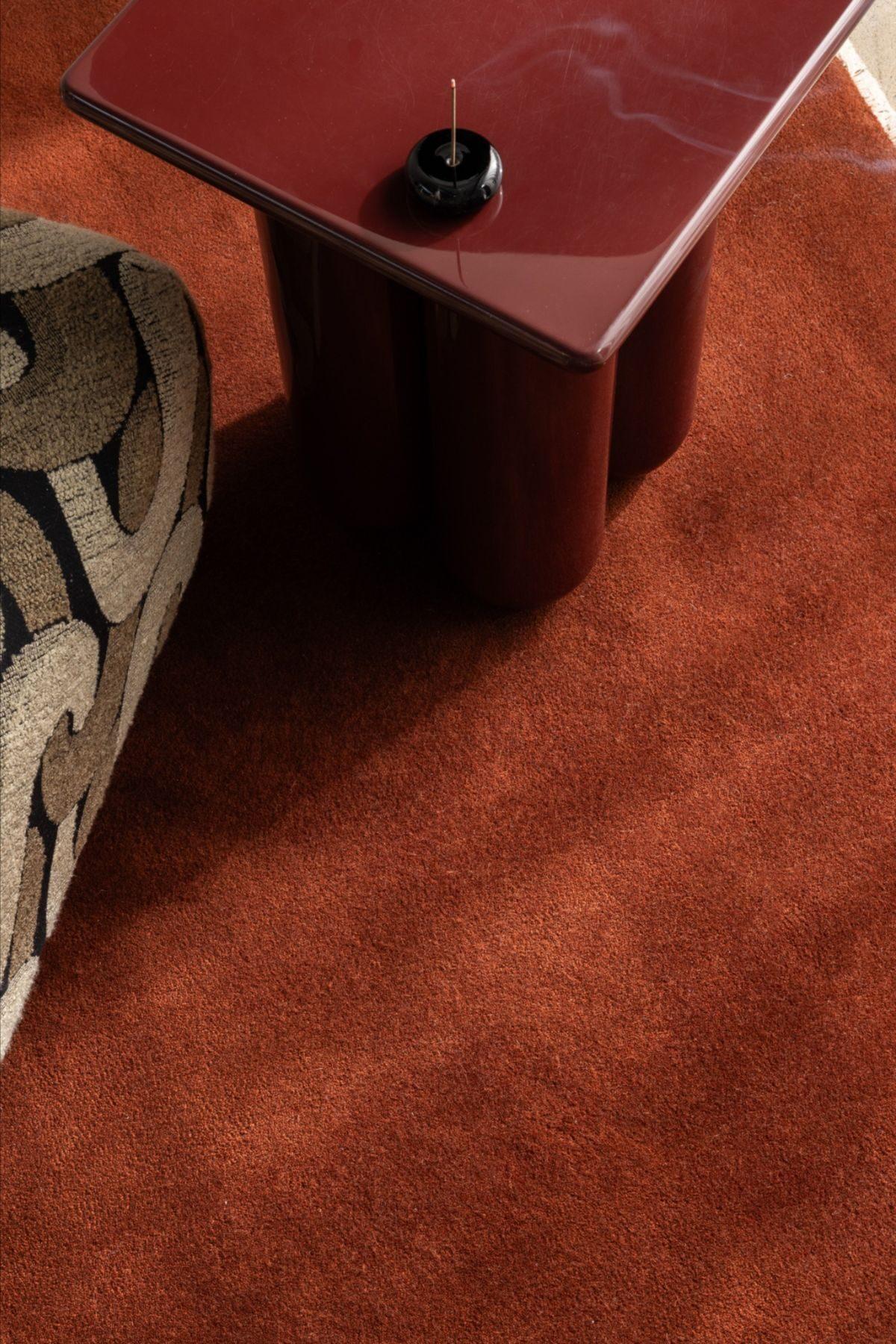
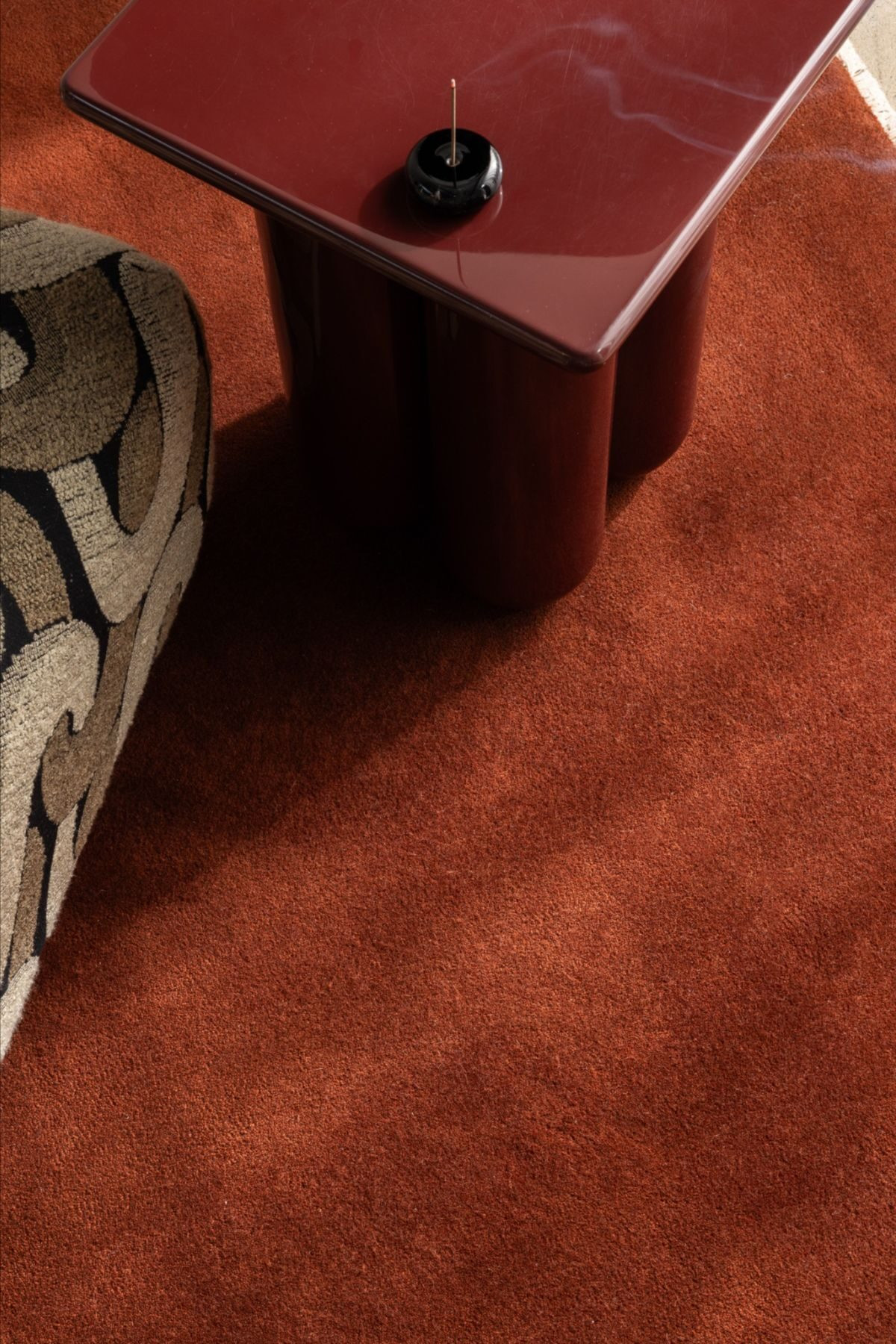
The effect is that the rug is almost plain from directly above and comes alive at a low angle, in raking light, or as you cross the room. It is the reason a single-colour rug can still be the most interesting thing on the floor.
It is also why these rugs photograph badly and look extraordinary in person. If a piece looks flat and dull in its picture but the specification says carved or high-low, that is the photograph failing rather than the rug.
How the texture is actually made
Carving. After weaving, a craftsman cuts down into the pile along the edges of the pattern with hand shears, creating a bevelled channel. This is a finishing skill, done by eye, and a well-carved edge is crisp and even along its whole length.
Mixed pile heights. The rug is made with two or more pile heights from the start, so tall wool sits next to short. The shift can be soft or abrupt depending on the design.
Mixed construction. Areas of cut pile sit next to areas of loop or flatweave. This gives contrast in sheen as well as height, because a cut end and a loop reflect light differently.
Mixed fibre. Wool next to bamboo silk in the same rug, where the difference is almost entirely in the way each catches light.
Where they work and where they do not
They work where the room is quiet and the light is directional. A living room with a low lamp, a bedroom, a study. Anywhere the design is deliberately restrained and needs interest that is not another colour.
They work particularly well in neutral schemes, because they give a plain palette something to do.
They do not work under a dining table, where chairs are dragged repeatedly across the surface and the tall pile crushes unevenly against the low. They are a poor choice for hallways for the same reason. And a deeply carved rug is the wrong thing to put under a heavy piece of furniture that never moves, because the crush will be permanent and will follow the outline of the pattern.
Living with a relief surface
Vacuum along the pattern rather than across it where you can. Dragging a vacuum head repeatedly across a carved channel wears the edge of the carve.
Turn the beater bar off. On a high-low rug it does real damage to the transition between the two heights.
Expect to see the pile direction more than on a flat rug, because you are now looking at several pile directions at once. The rug will read differently from the two ends of the room, and that is the entire design working.
Spot clean rather than soaking. Water sits in the low areas of a relief surface and dries unevenly. Care and cleaning covers the method.
Questions
What is a high-low rug?
A rug woven with two or more pile heights, so the pattern appears as relief and shadow rather than as a change of colour.
What does carving mean on a rug?
A finisher cuts down into the pile with hand shears along the edges of the pattern, creating a bevelled channel that sharpens the design. It is done by eye after weaving.
Do high-low rugs wear well?
In a quiet room, yes. Under a dining table or in a hallway the tall pile crushes against the low and the contrast that makes the rug interesting is the first thing lost.
Why does a carved rug look plain in photographs?
Because the pattern is made of shadow, and a photograph flattens shadow. These rugs are the strongest argument in the store for asking for a sample.