The short answer
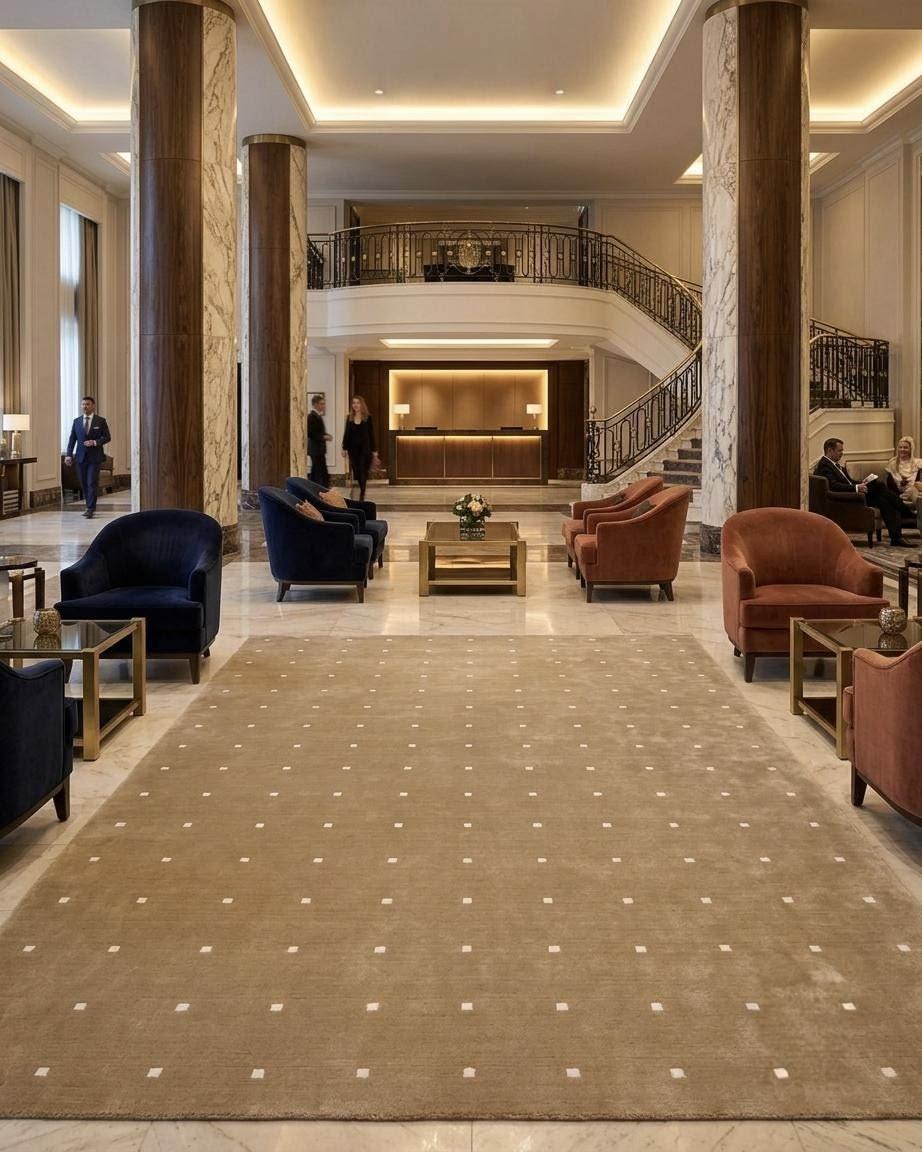
Match the construction to the traffic, not to the budget line. Hand-knotted wool suits feature rugs in lobbies, restaurants and principal corridors; hand-tufted suits guest rooms, suites and meeting rooms with lighter traffic; handloom suits large areas where volume matters; flatweave suits areas under furniture and lower-traffic zones. A sample, and where required a fire test, then confirms the choice.
The table is a starting point for a brief, not a specification. The project's fire engineer and the building's fit-out rules decide what each space must meet, and our hospitality specification guide explains each parameter in more depth.
| Space | Traffic | Construction to consider | What to specify | Fire classification |
|---|---|---|---|---|
| Lobby and reception | Heavy and continuous | Hand-knotted wool feature rug, dense and low in pile | Density and pile height, size tolerance, fixing to the floor | Usually required in public areas; confirm the class with the fire engineer |
| Corridors and lift lobbies | Heavy, with trolleys and wheelchairs | Hand-knotted or another dense, low-pile construction; runners in fixed widths | Low, dense pile for rolling loads; edge binding; fixing | Corridors and exits often carry the strictest requirement; see fire testing |
| Guest rooms and suites | Light to medium | Hand-tufted or handloom; hand-knotted for signature suites | Feel underfoot, colour, size against the furniture plan, underlay | Confirm for the room type; rooms off a corridor often have a different requirement from the corridor |
| Restaurants and bars | Medium to heavy, with spills | Hand-knotted wool or flatweave | Cleaning method, a colour and pattern that forgive soiling, fixing under chairs | Confirm for the space |
| Meeting rooms and boardrooms | Medium, with chair castors | Hand-tufted, handloom or hand-knotted | Size to the table and chairs, pile that takes castors, feel | Confirm for the space |
Pile and backing
Lower, denser pile wears better and rolls better under trolleys and wheelchairs; deeper pile reads as luxurious but crushes where traffic is heavy. Hand-knotted rugs have no glued backing, because the knots are tied into the foundation, while hand-tufted rugs are fixed with latex and a secondary backing, which affects how the rug lies and how it performs in a fire test.
Specify both pile height and pile weight, and ask the manufacturer for figures measured on the actual construction rather than estimates. Where trolleys or wheelchairs pass, keep the pile low and dense and confirm it against the project's accessibility requirements.
Underlay and fixing
Every loose-laid rug on a hard floor in a hotel needs either a slip-resistant underlay or an approved fixing, because a loose rug in a public space is a slip hazard. Which method is acceptable is decided by the building's fit-out specification, so confirm it with the project engineer before the order, not on site.
On large custom pieces an anti-slip layer can be added to a tufted backing or bonded to a knotted piece. Decide this at specification stage, because it adds weight and changes the feel underfoot.
Fire classification is arranged per order
Fire classification belongs to a tested construction, not to a supplier, so no class is claimed in advance. Our only standing affiliation is CEPC registration. We do not currently hold in-date third-party product certificates as standing documents. For qualifying orders and programmes, fire rating documentation (BS 4790, EN ISO 9239-1, NFPA 253) can be arranged or supported on request (our standards).
In practice we produce a test sample at the exact construction you intend to order, arrange testing through an accredited laboratory, and supply the report for your order. A change to pile height, density or backing after the test needs a new test. The standards themselves are explained in rug fire ratings explained.
Lead times to plan against
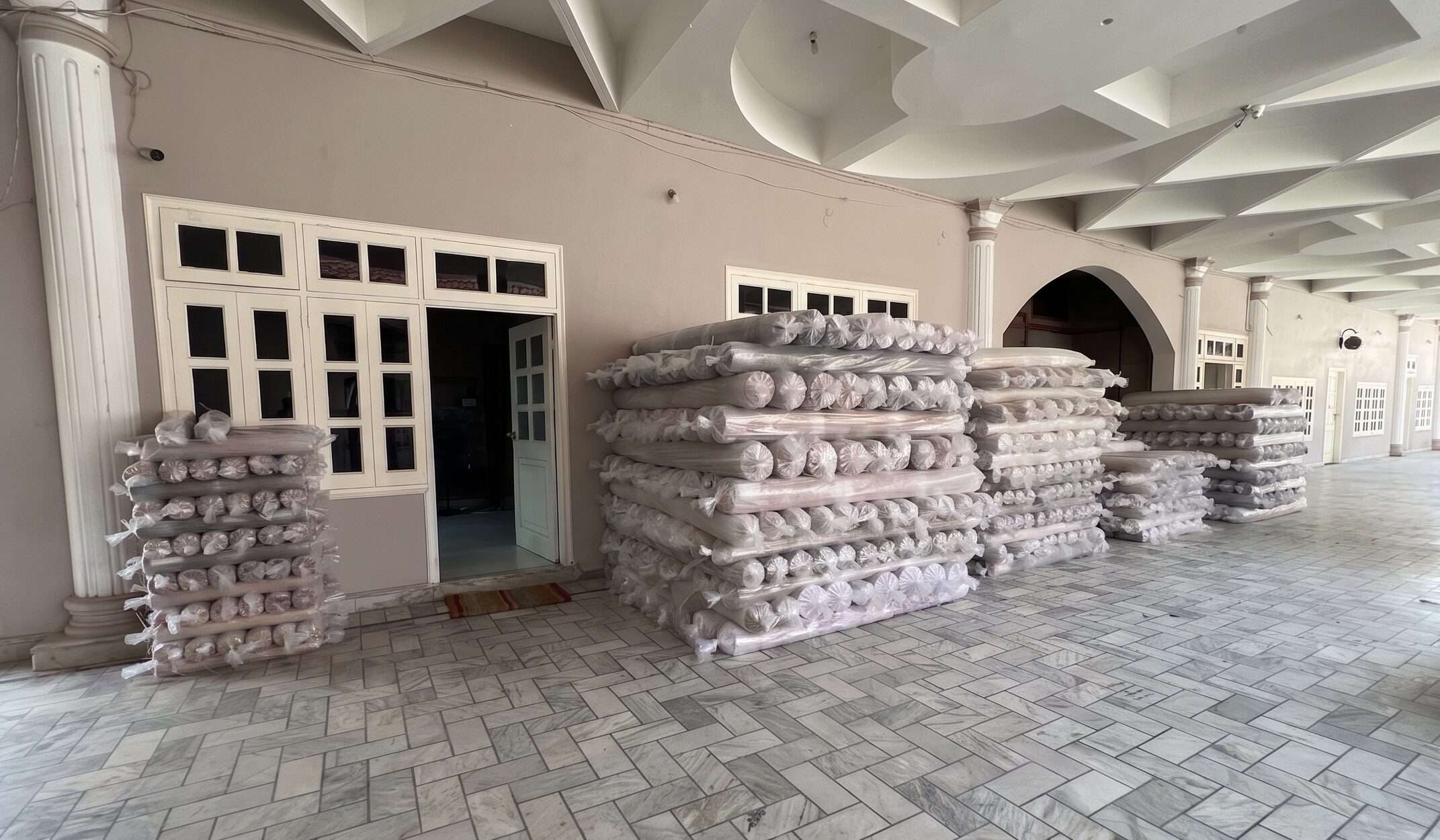
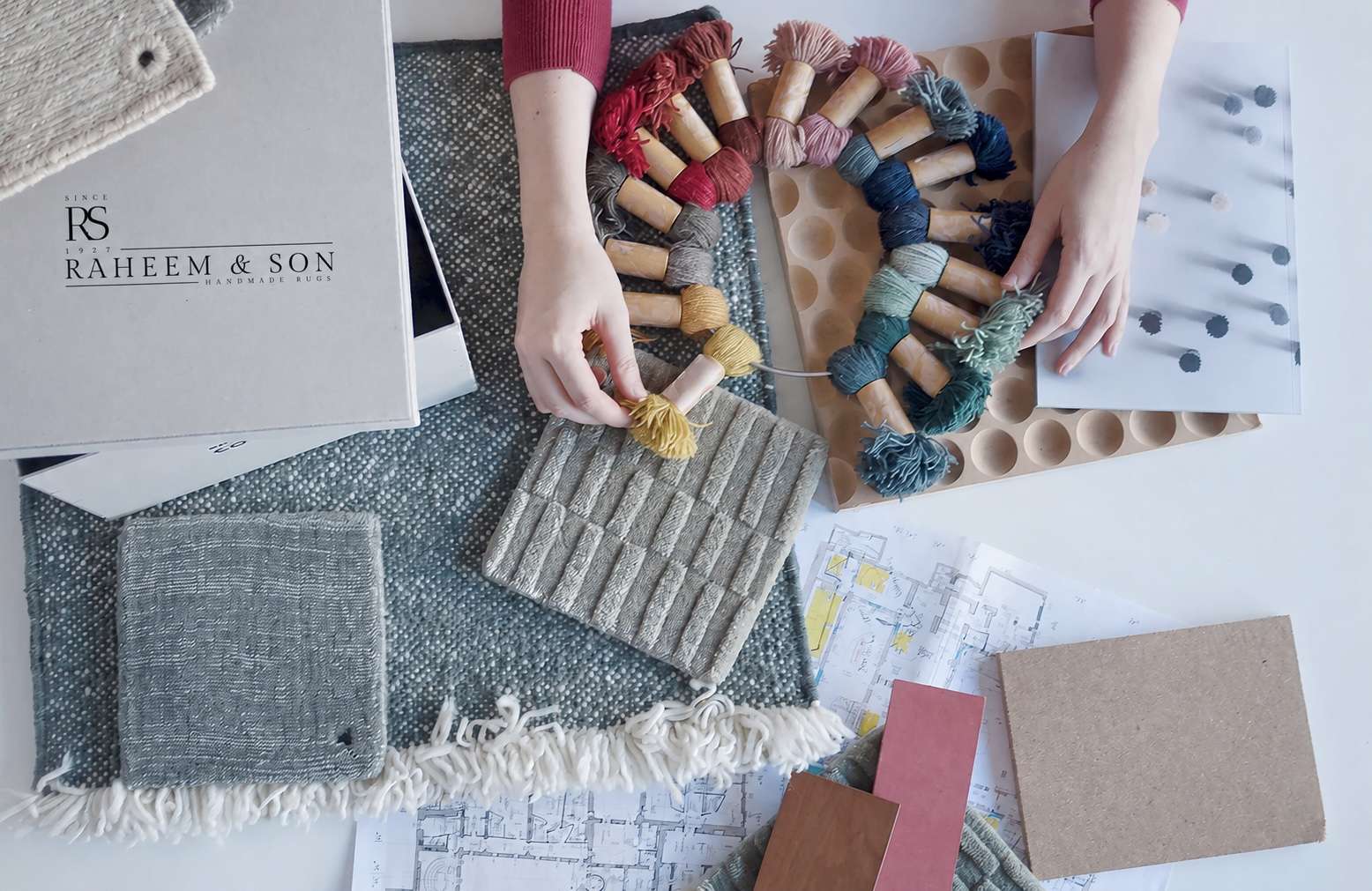
At Raheem & Son, sampling and strike-offs typically take 25 to 35 days, and bulk production starts from 60 days after the purchase order, depending on order size, construction and current production load (how to order). Fire testing, where the space needs it, happens on the approved construction before the production order, and shipping time comes on top. Work back from the opening date.
Attic stock and replacements
Decide attic stock at specification, not at handover. Our attic stock guide suggests holding five to ten per cent of the installed quantity of repeating pieces, with at least two of any design, and, for unique pieces, spare yarn with the full specification. Where the total is known, dye the yarn for the whole programme in one lot so that replacements match (colour consistency).
How to brief us
Send the floor plan or a list of spaces, the traffic you expect in each, the fire classification the engineer requires, the opening date and any brand or colour standard. We will propose a construction per space, sample it, and arrange any testing the order needs. Start from the contract enquiry form, or read the hotel and contract rug FAQ first. Fibre choice for contract use is covered in wool vs synthetic rugs for hospitality.