Sustainability
Waste Recovery & Circular Production
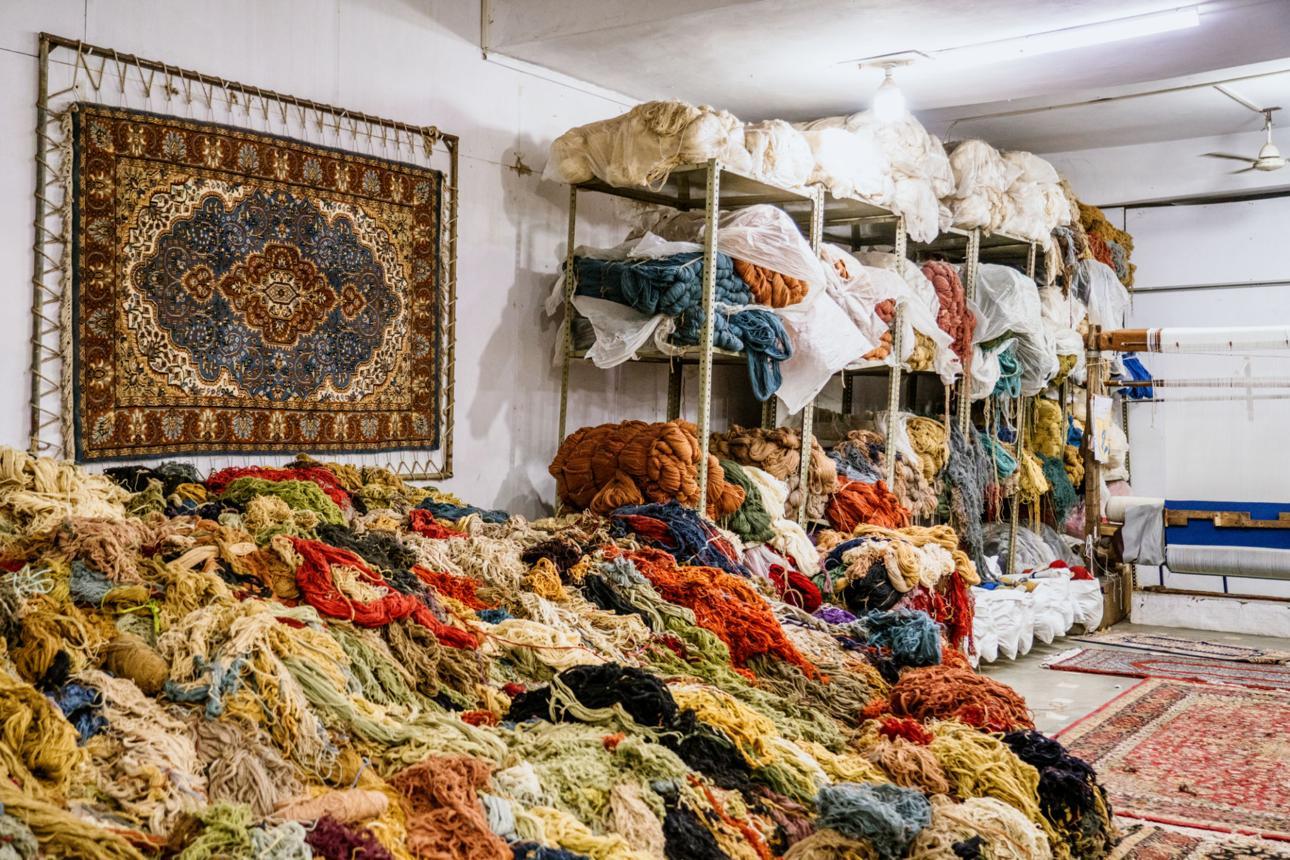
Every fibre has value. Through responsible material recovery, waste reduction, and circular production practices, we work to maximise the lifecycle of every material used in our handmade rugs.
Our Commitment
Circular Thinking Starts at the Loom
At Raheem & Son, sustainability is embedded into every stage of production. We continuously evaluate how materials can be reused, recovered, and repurposed to reduce waste while maintaining the highest standards of craftsmanship.
Natural Fibres
Wool, Cotton, Bamboo Silk & Jute
Handcrafted Production
Reduced industrial waste
Responsible Manufacturing
Continuous material recovery initiatives
Material Recovery
What Happens to Every Fibre?
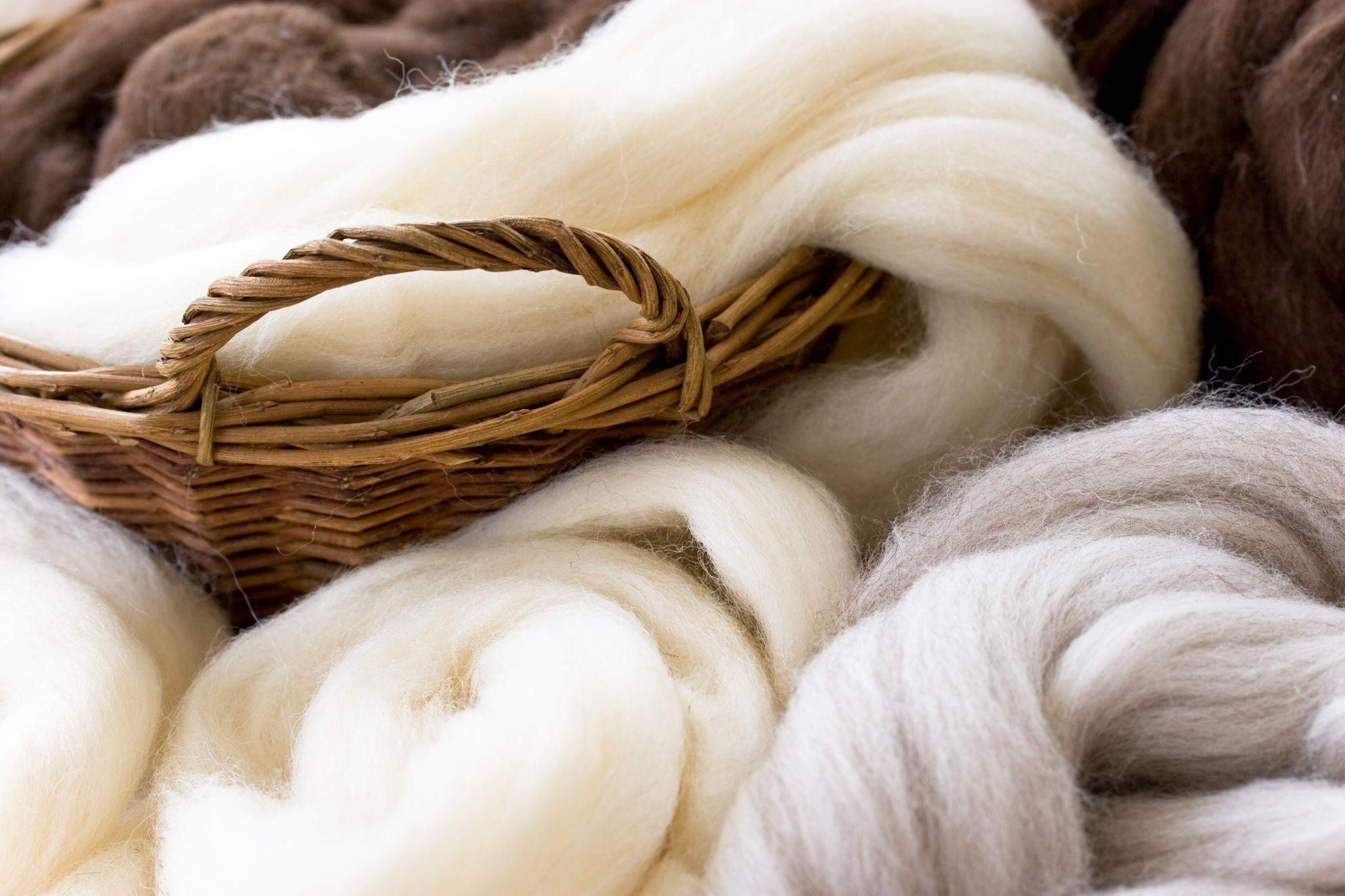
Wool
Wool remnants generated during weaving and finishing are carefully collected and sorted. Reusable fibres are redirected into sampling programs, artisan training projects, and secondary handcrafted applications.
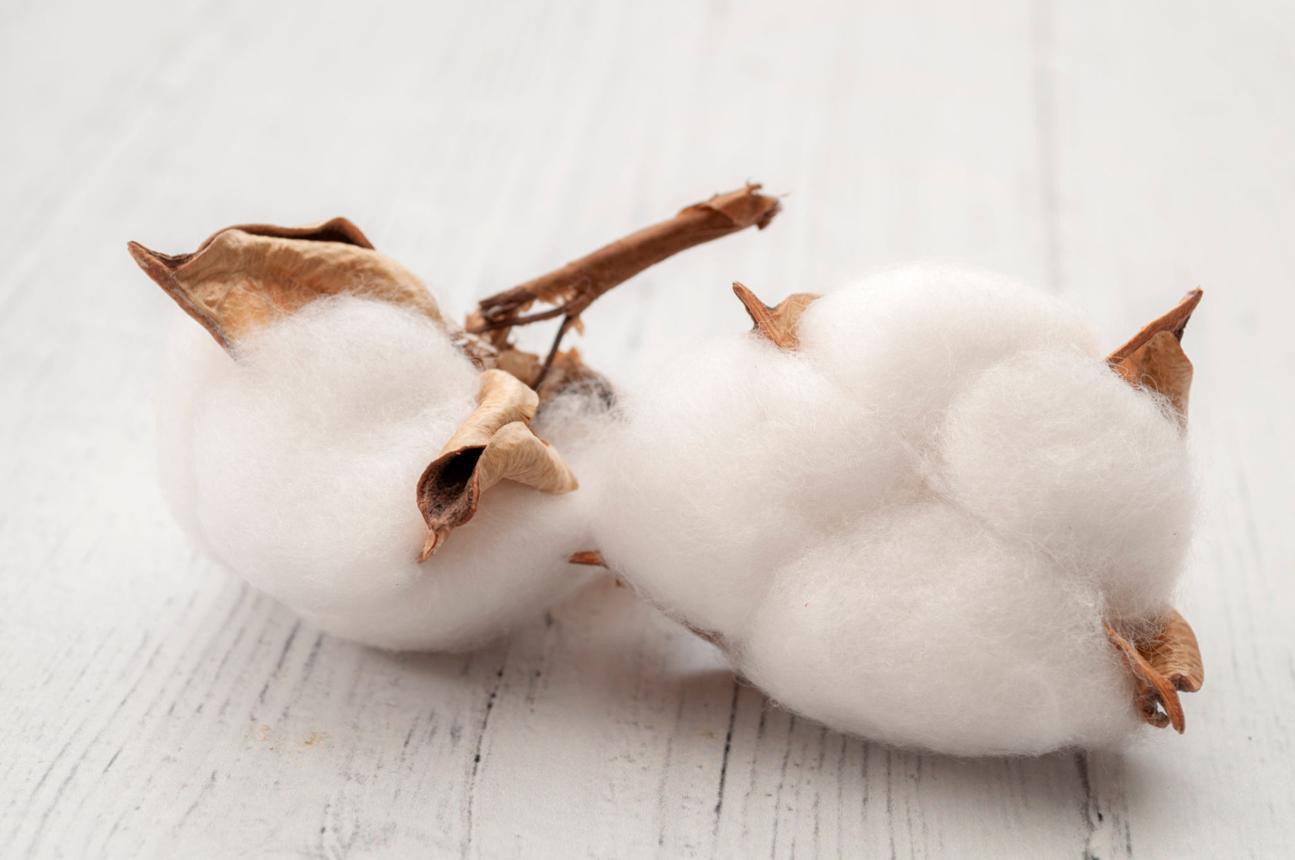
Cotton
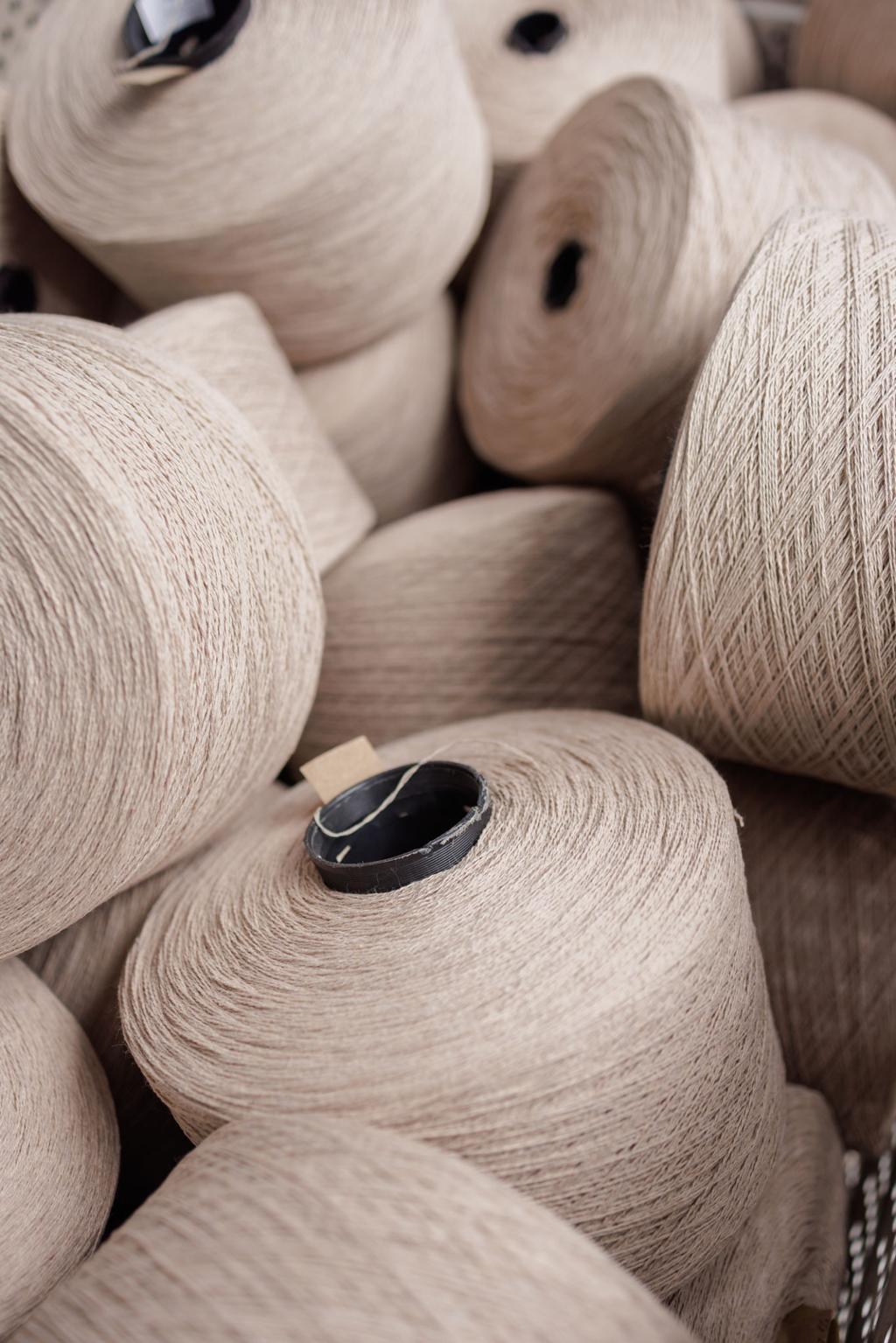
Cotton loom waste and surplus yarn are recovered and repurposed wherever possible. These materials may support packaging applications, sampling initiatives, and textile reuse programs.
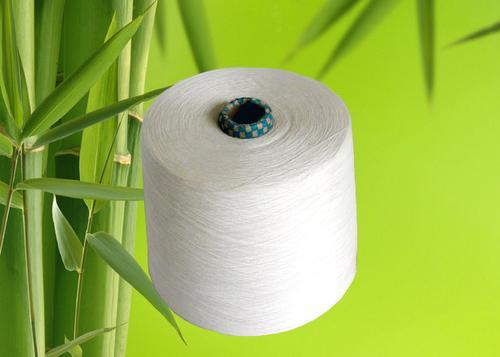
Bamboo Silk
Bamboo silk remnants are separated during production and assessed for reintegration into development samples, colour trials, and future product innovation initiatives.
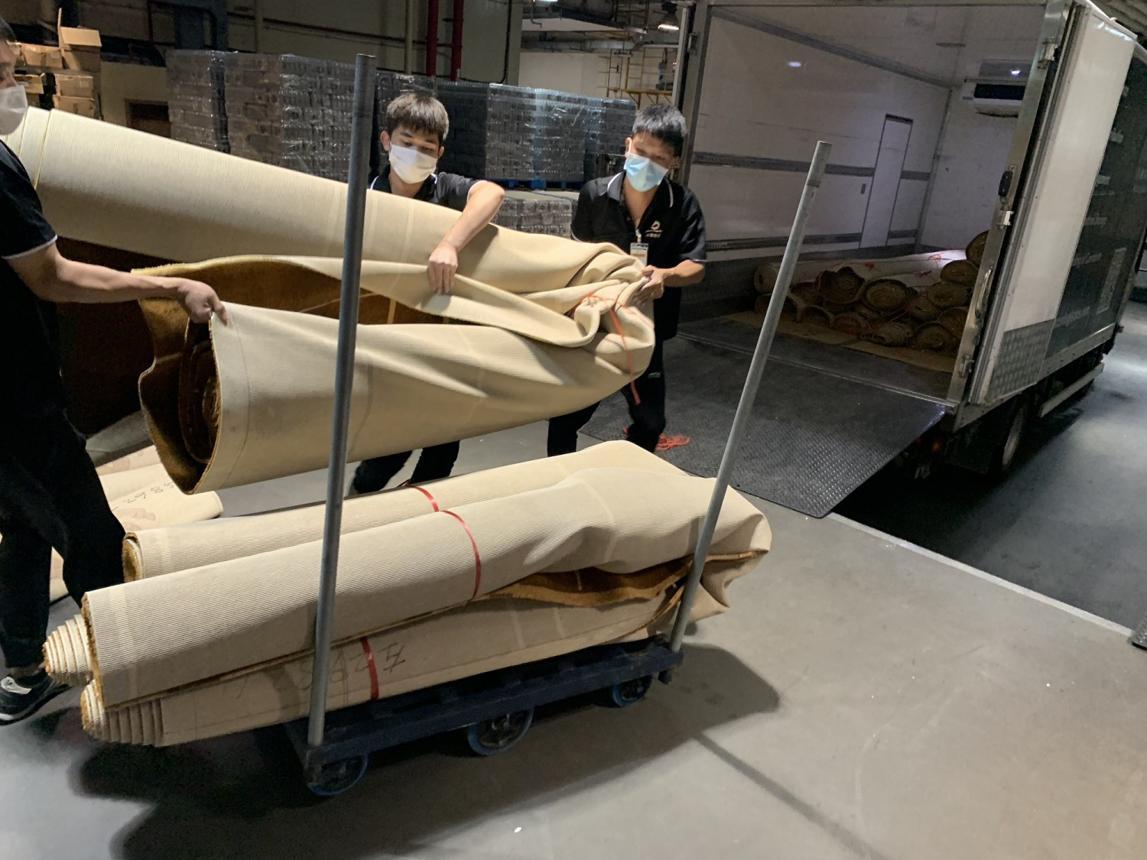
Packaging
Cardboard, paper, and protective packaging materials are prioritised for reuse before entering approved recycling channels.
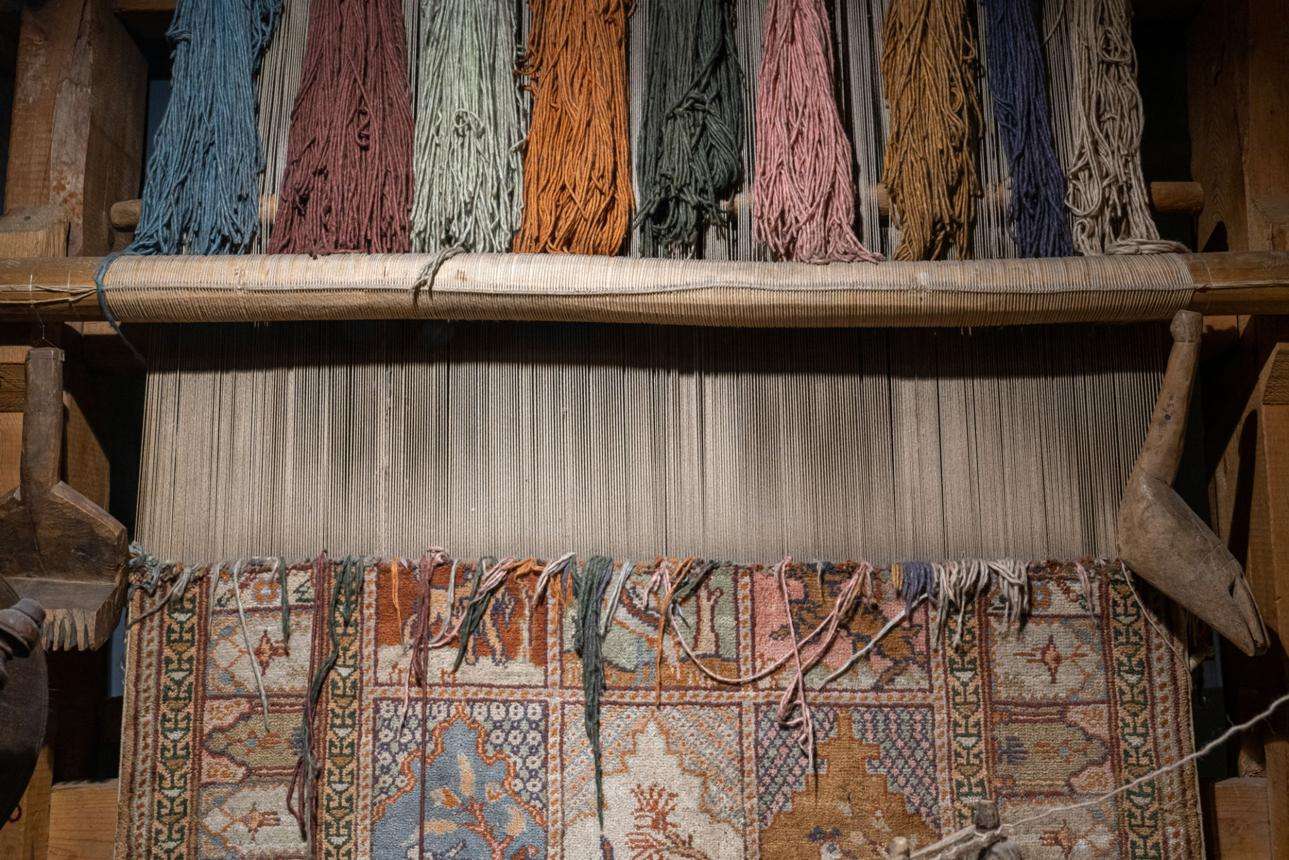
Production Waste Flow
From Fibre to Recovery
Raw Material
Spinning
Weaving
Finishing
Material Collection
Sorting & Recovery
Reuse & Repurposing
New Applications
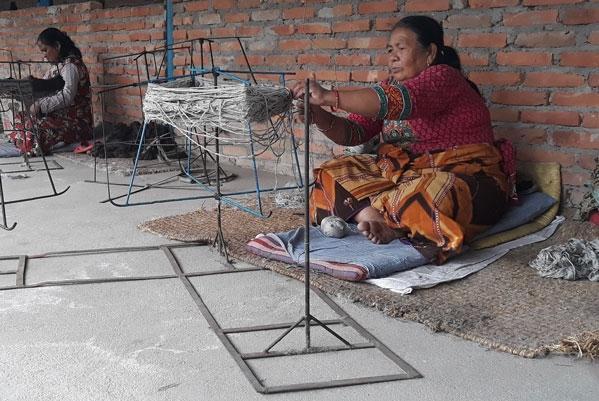
Value Recovery
Recovering Value from Every Step
Yarn Remnants
Collected and sorted for reuse opportunities.
Sample Production Materials
Redirected into development and design initiatives.
Packaging Recovery
Materials reused whenever practical.
Process Optimisation
Continuous efforts to reduce unnecessary waste.
Beyond Manufacturing
Extending the Life of a Rug
One of the most sustainable rugs is the one that continues to be used. Through repair, refurbishment, and restoration initiatives, we support extending the useful life of handmade rugs before replacement is considered.
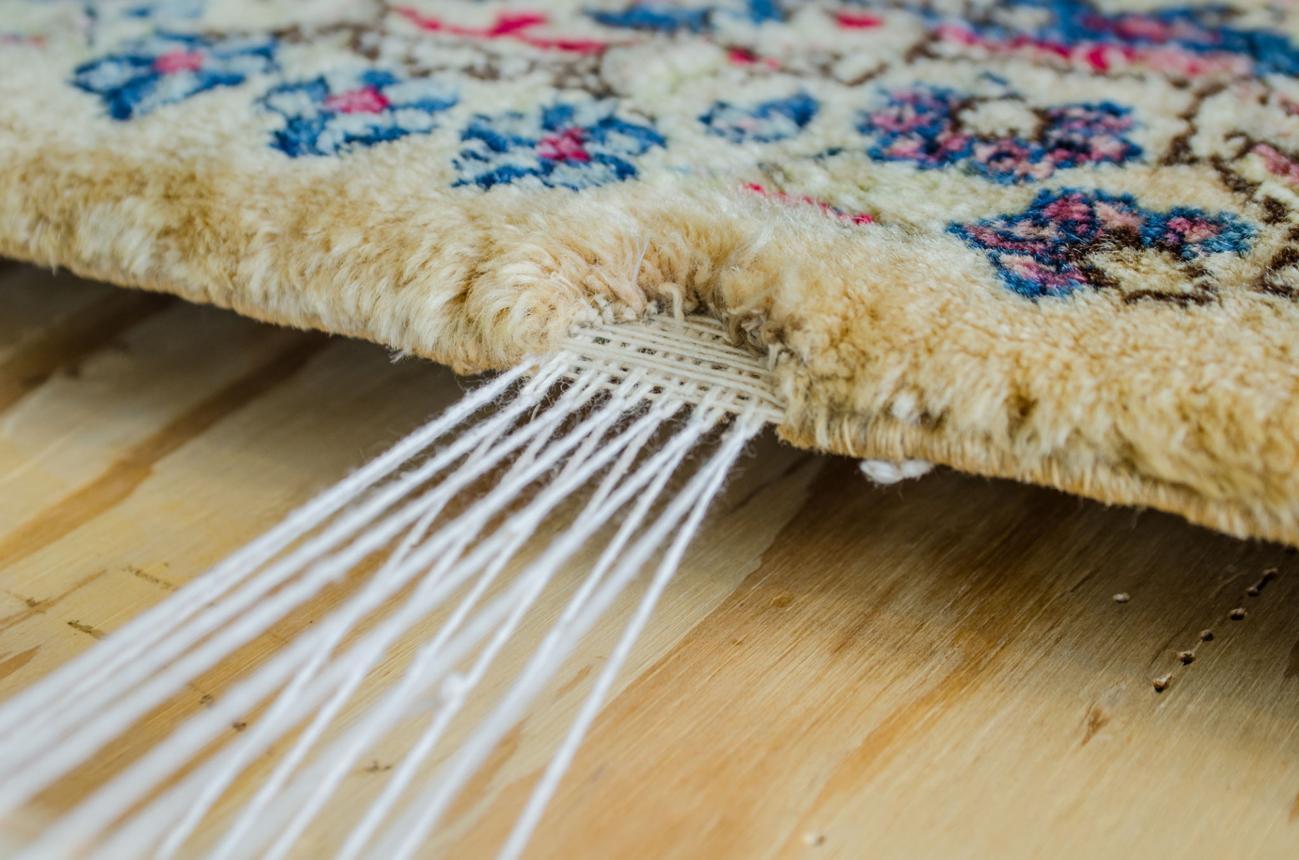
Restoration & Refurbishment, supporting the full lifecycle of every piece
The Model
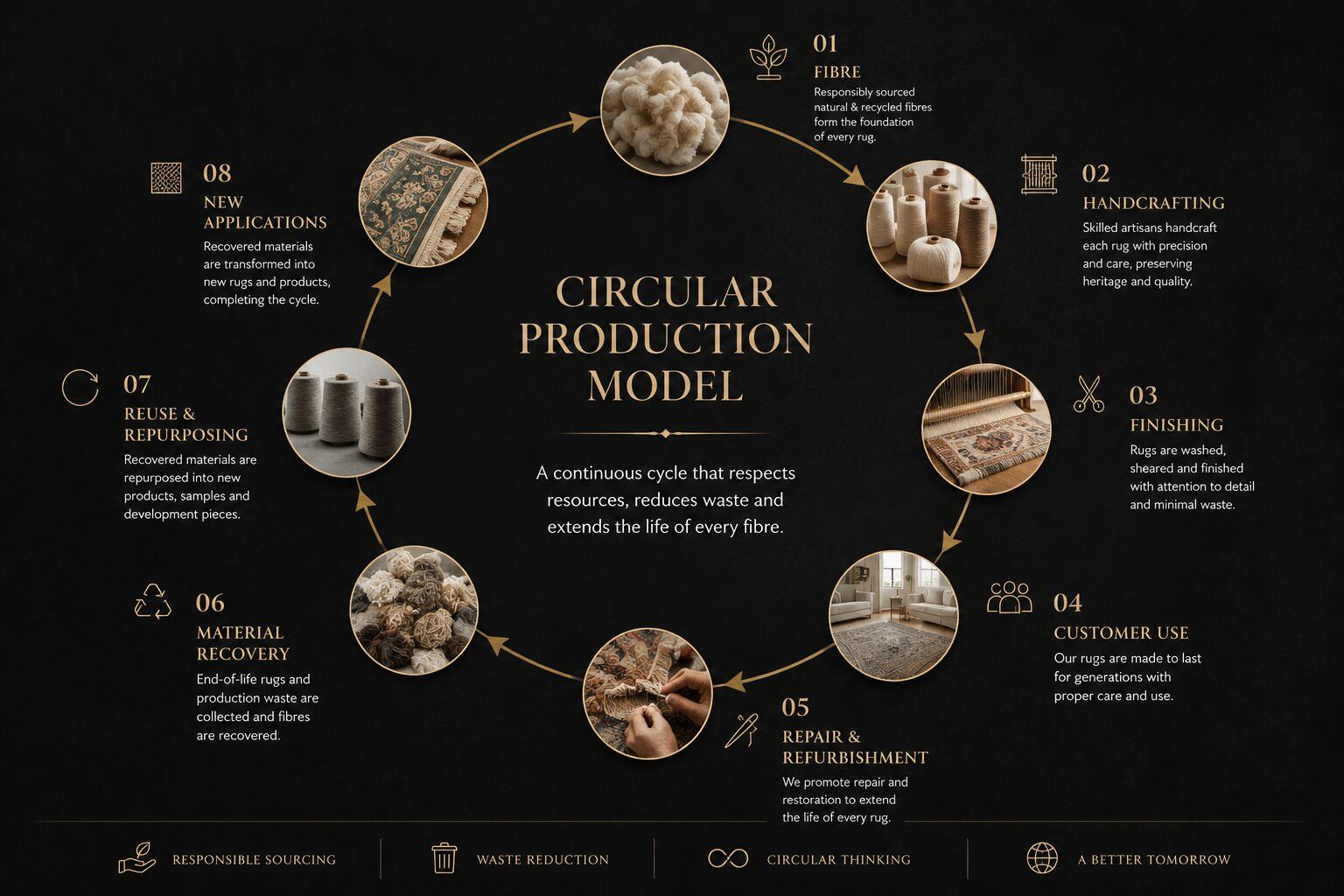
Circular Production Model
A continuous cycle that respects resources, reduces waste, and extends the life of every fibre used in our handmade rugs.
Impact
Why Circular Production Matters
Responsible Manufacturing
Reducing unnecessary waste throughout production.
Resource Efficiency
Maximising the value of every fibre.
Long-Term Sustainability
Supporting a more responsible future for handmade rug manufacturing.
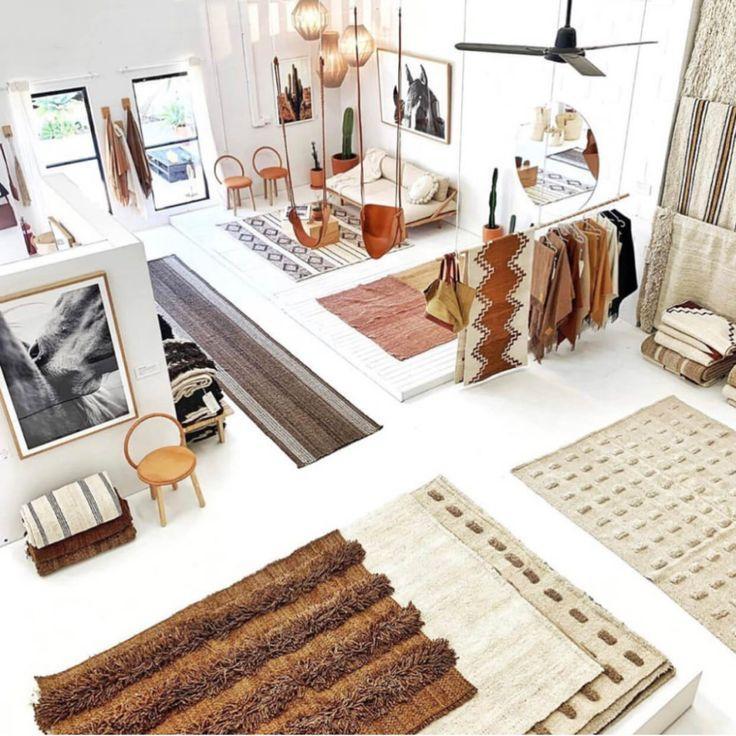
Building A More Responsible Rug Industry
Every handmade rug represents craftsmanship, natural materials, and human skill. Our waste recovery and circular production initiatives are designed to ensure those resources are respected throughout their lifecycle.