4 to 14 months
The craft
One card, four weaves. Scroll to see the techniques split apart and reveal themselves.
The four weaves, scroll to unfold
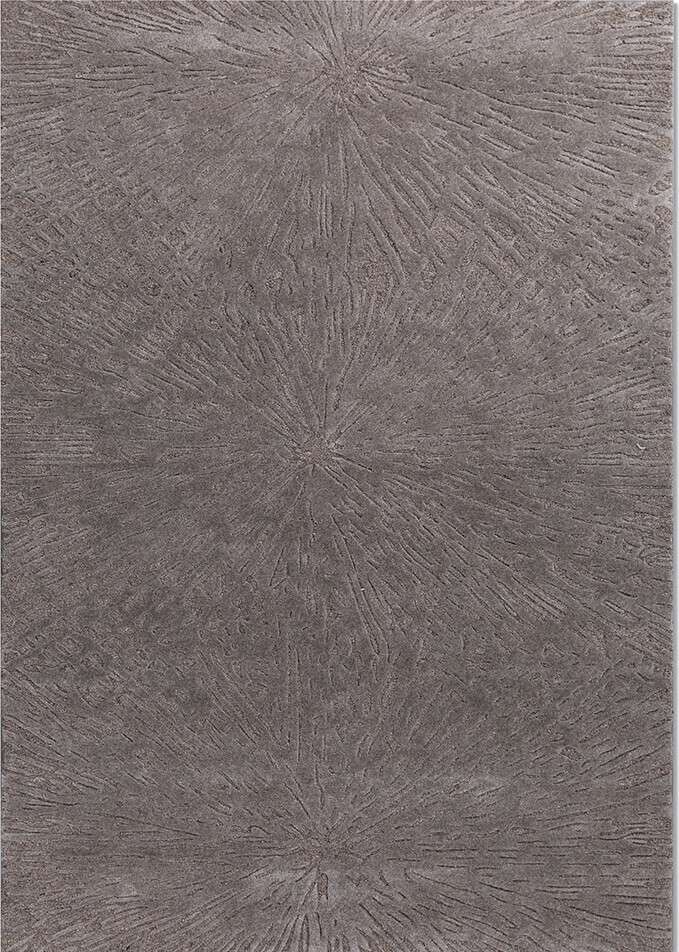
Materials
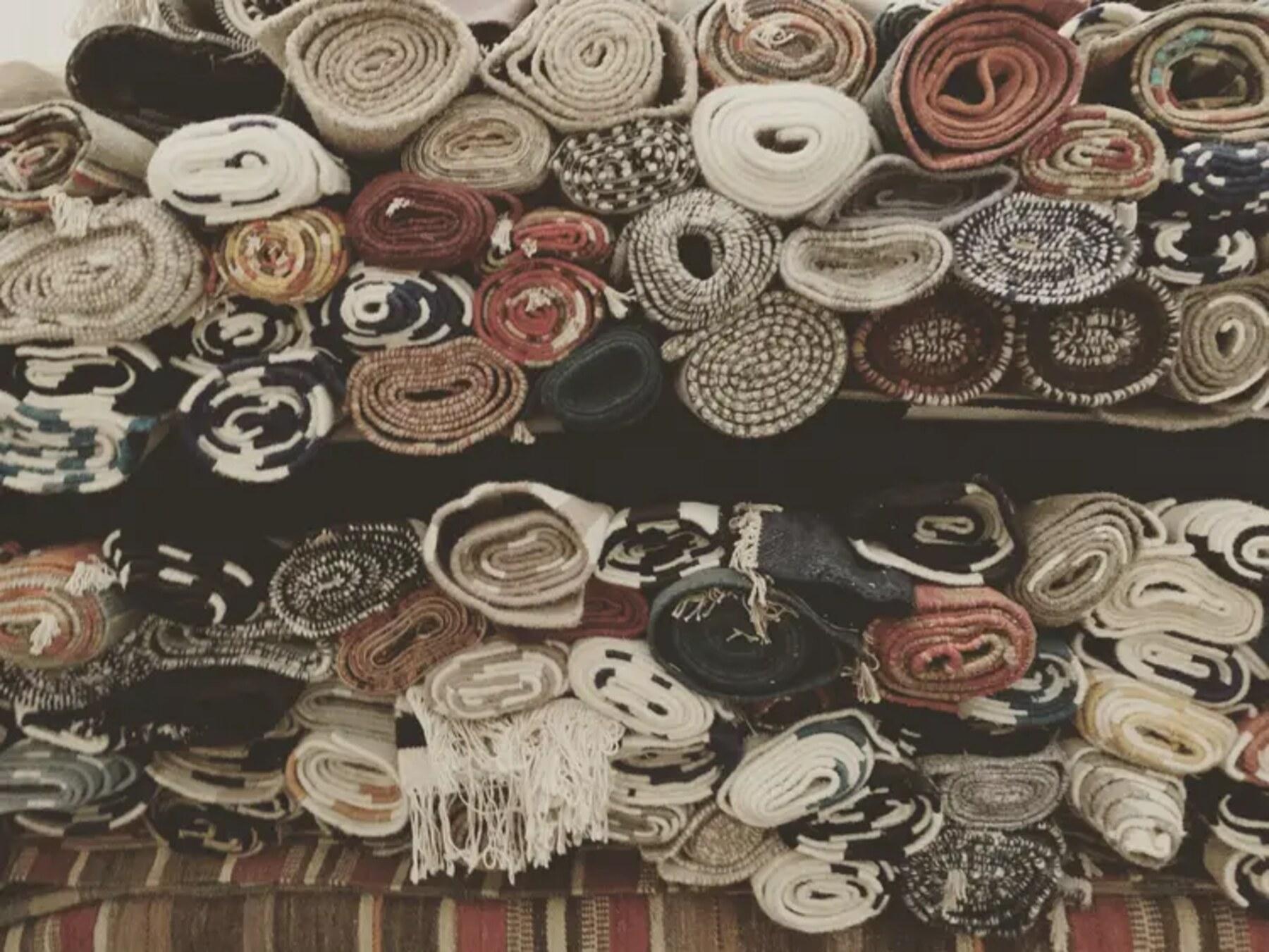
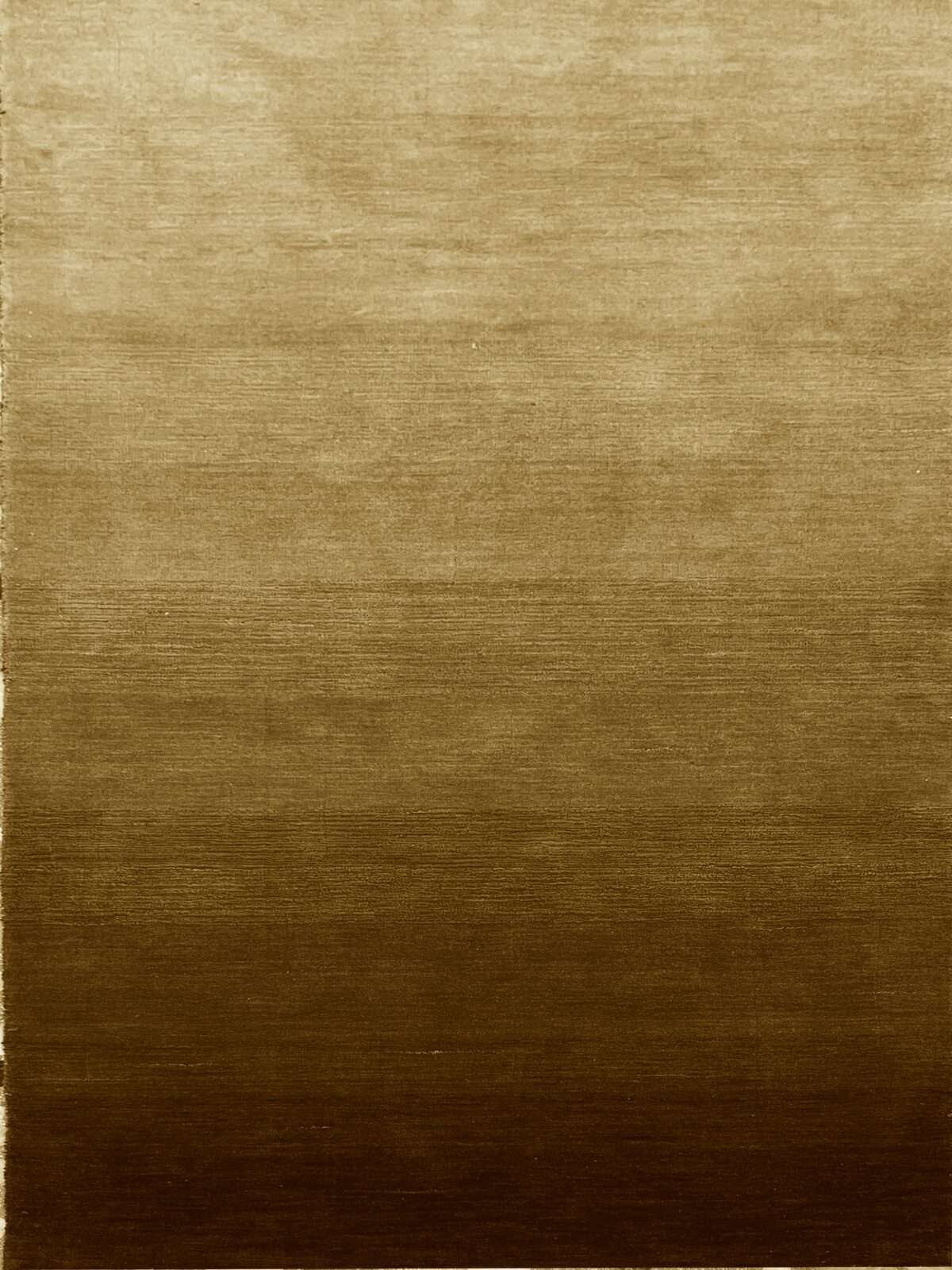
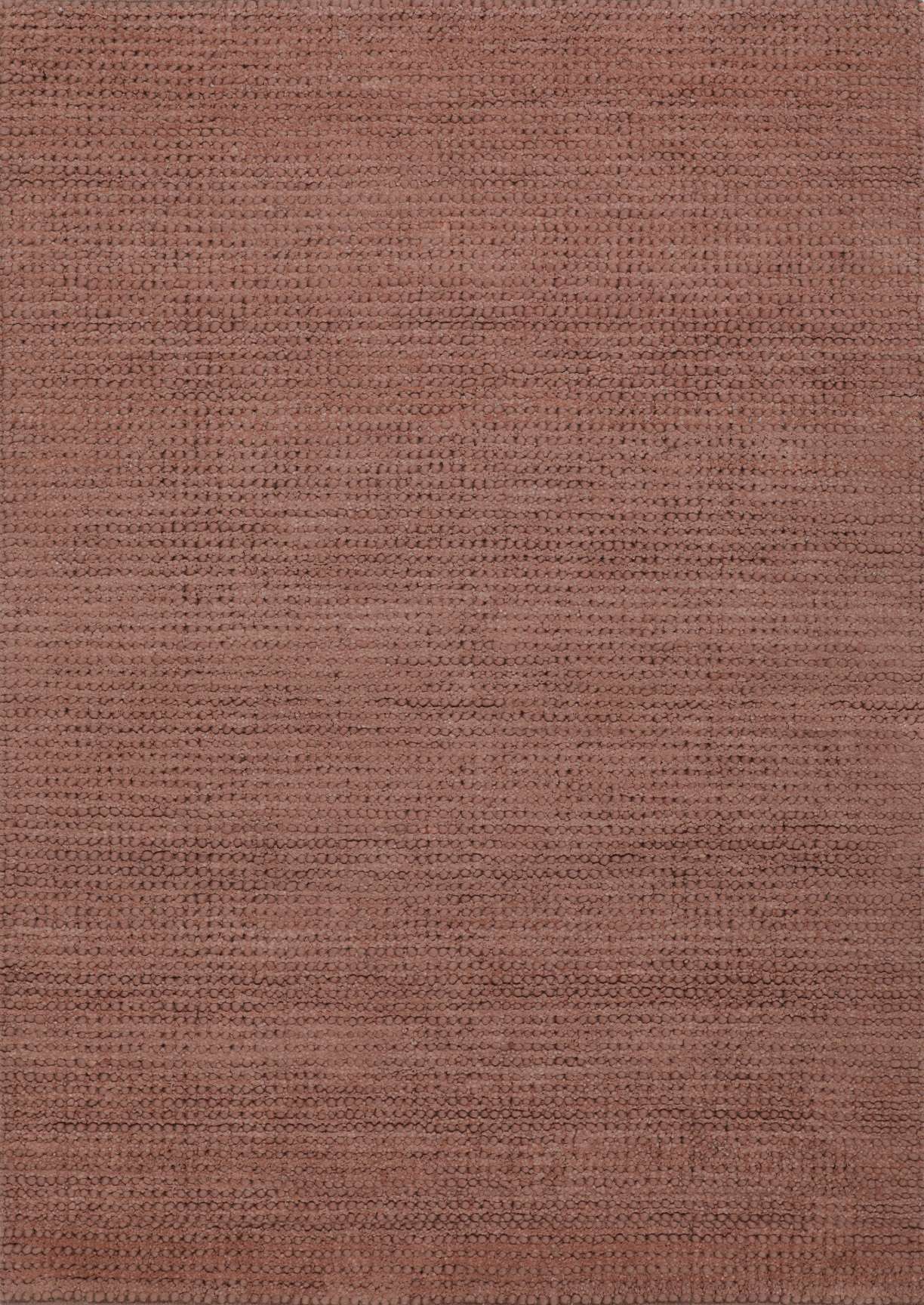
Every technique at Raheem and Son begins with the choice of fibre. We weave in wool drawn from New Zealand and the Himalayas, prized for its resilience and natural sheen. Mulberry silk adds lustre and allows finer knot counts in hand-knotted work. Bamboo silk offers a similar visual quality at a different price point. Cotton forms the warp and weft of many hand-woven dhurries and flatweaves, and jute brings organic texture and sustainable credentials to natural-fibre rugs. The right fibre depends on the technique, the end use and the design, and our team advises on every combination.
Each knot is tied by hand around the warp, hundreds per square inch. The most enduring and most valuable of our techniques.
A single 9×12 piece can hold over a million knots. The density is what lets a hand-knotted rug outlive the family that commissioned it.
Knots tied by hand on a loom frame, blending the precision of a hand-knotted face with the consistency of loom tension.
Loom-knotting gives a refined, even pile and crisp pattern definition, a considered balance of hand-craft and repeatable quality for larger runs.
Flat, reversible and lean. The weaver interlaces weft through warp on the loom, with no pile, structure becomes the pattern.
Our flatweaves travel well and suit high-traffic and contract floors where a low profile is required.
Wool is punched into a stretched canvas with a hand-tool, then sheared to a precise, sculptural pile height.
Tufting lets us realise bold, painterly designs at scale and speed, ideal for large bespoke and contract commissions.
Which weave is right
There is no single best weave, only the right one for the job. Hand-knotted gives the highest durability, the finest detail and the longest life, and costs the most. Handloom gives a knotted look at a lower cost. Hand-tufted is the fastest route to a custom design and suits medium-traffic spaces. Flatweave and dhurrie are reversible, low-pile and light. Tell us the traffic level, the budget and the timeline and we will recommend the construction.
A hand-knotted rug is built knot by knot on a loom, with the pile tied into the foundation, so it has no glue or backing and can last for generations. A hand-tufted rug is made by punching yarn through a backing cloth with a tufting gun and fixing it with latex, then adding a secondary backing. Hand-tufted is far quicker and cheaper to produce; hand-knotted is more durable and holds finer detail.
A low-pile hand-knotted wool rug or a flatweave. Both cope with heavy footfall and clean well. Hand-tufted works in medium-traffic areas such as guest rooms and meeting foyers, but is less suited to a lobby. We can advise per area when you share the project.
It depends on knot density, material and size, so we quote per project rather than publishing a multiplier. Hand-knotted work is substantially more because it takes far more weaver hours. Send the design, size and quantity and we will price both constructions so you can compare.
Yes. We regularly sample one design across two or three constructions so a buyer can compare cost, texture and lead time before committing. Sampling takes 25 to 35 days.