Defining High Traffic: Not All Commercial Spaces Are Equal
The term high-traffic covers an enormous range of use conditions. A corporate reception area with controlled access and a professional cleaning team is high-traffic in a different sense from a hotel lobby with international foot traffic, luggage trolleys, and variable cleaning standards. Specifying a rug for commercial use requires an honest classification of the space before any other decision is made.
A useful frame is to consider foot traffic volume per day, the nature of the footwear typically worn (outdoor shoes versus controlled indoor footwear), whether food and drink are present, and what cleaning regime is realistic for the facility. Our RS Contract team uses a space classification framework to match construction specifications to real use conditions for every commercial project we undertake.
Construction Types That Perform Under Commercial Pressure
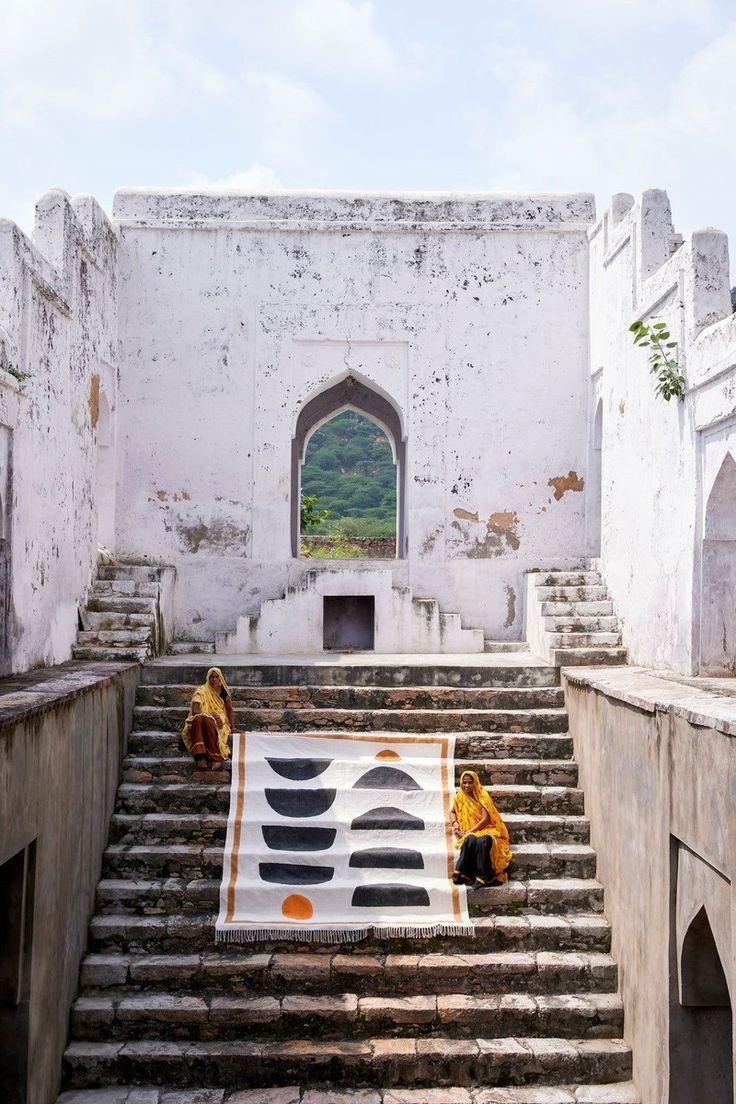
Flatweave constructions (kilims, dhurries, flatweave wool or cotton) are among the most durable options for genuinely high-traffic areas. The absence of a pile eliminates the most common failure mode: pile compression and pile crushing. Flatweaves are reversible, easy to clean, and lie flat without requiring an underlay in most applications.
Low-pile hand-knotted rugs in dense, high-twist wool are the appropriate choice when a prestige aesthetic is required in a high-traffic setting. The key words are low pile and high twist: a pile height under approximately 8mm in a tightly twisted yarn resists compression and recovers well. Higher pile in looser twist will compress and matt in sustained commercial use.
Hand-tufted rugs are generally less suitable for genuinely high-traffic commercial areas because the latex backing is susceptible to degradation under heavy use and frequent cleaning. If a tufted construction is specified, ensure the cleaning programme avoids excessive moisture near the backing. Our contract resources page includes guidance on cleaning protocols for each construction type.
Fibre Selection for Durability and Cleanability
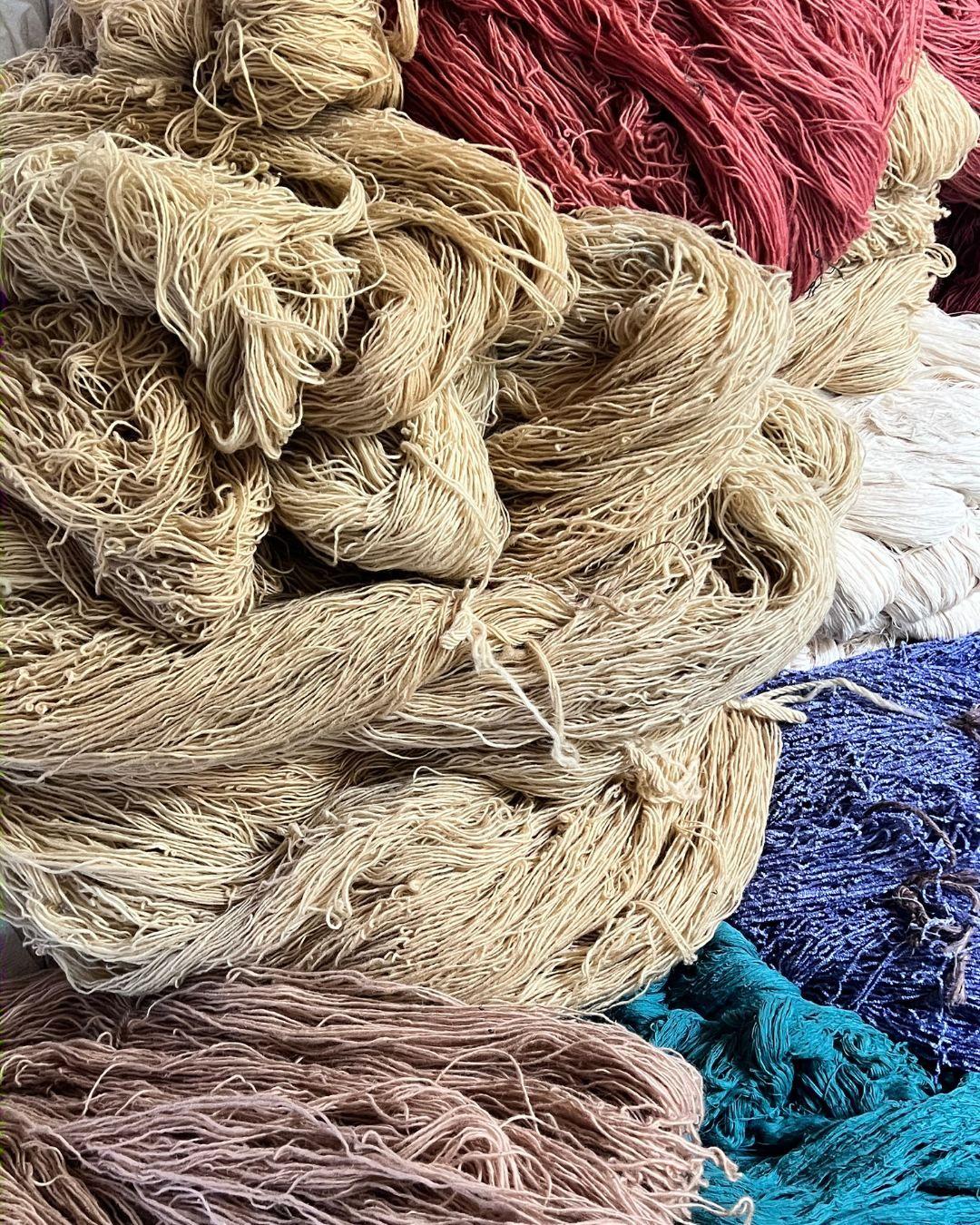
Wool is the standard commercial pile fibre for a reason. Its natural crimp gives it resilience (it springs back after compression), its lanolin content provides a degree of natural soil resistance, and it responds well to professional cleaning without losing structural integrity. New Zealand wool, processed to a consistent grade, is widely used in commercial specifications for these reasons.
Avoid pile constructions using bamboo silk or viscose in high-traffic areas. These fibres compress, matt, and lose their sheen under sustained foot traffic, and they are more difficult to clean effectively. If a lustre effect is needed for aesthetic reasons, genuine silk highlights in a predominantly wool construction are more durable than a bamboo silk pile.
For outdoor-adjacent areas (covered terraces, pool surrounds, retail thresholds), consider synthetic fibres or natural fibre constructions rated for moisture exposure. Our contact page connects you with our contract team to discuss fibre options for specific conditions.
Pile Height, Pattern and Colour Strategy for Commercial Durability
Pile height below approximately 8mm is recommended for the highest traffic areas. Low pile wears more evenly, is easier to vacuum effectively, and does not create as pronounced a traffic lane effect (the compressed pathway that forms in higher-pile rugs over time).
Pattern and colour also affect perceived durability. Mid-tone colours with some visual texture or geometric pattern conceal light soiling between professional cleaning sessions better than very pale or very dark solid colours. A pale stone rug in a hotel lobby will show every mark; a warm mid-tone geometric will maintain its appearance for longer between cleans.
Where a prestige pale colour is non-negotiable for the design scheme, plan for a more frequent professional cleaning cycle and confirm that the rug construction and dyes are stable under that regime. Discuss the cleaning programme with your supplier before specifying, not after the rug arrives on site.
The Role of Underlays, Gripper Systems, and Installation
In high-traffic areas, a rug that shifts or buckles is a trip hazard and will wear unevenly. Secure fixing is as important as the rug specification itself. Underlays for area rugs should be non-slip and appropriate for the substrate: different products are required for hard floors versus carpet substrates.
For very large rugs or those in safety-critical locations, consider gripper tape or point-fixing systems. In hotel corridors where emergency egress is a factor, confirm that the fixing method and rug construction meet any applicable safety standards. Installation should be carried out by a specialist rug installer, not a general contractor, for any piece of significant size or value.
Our contract process page outlines how we co-ordinate with installation contractors on large commercial commissions, including site visits, substrate assessment, and installation documentation.
Maintenance Planning: The Investment That Protects the Specification
A well-specified rug in a commercial space will underperform its potential if the maintenance plan is inadequate. Regular vacuuming with a suction-only vacuum (no beater bar on pile rugs) removes dry soil before it works into the pile structure. Periodic professional wet-washing restores pile and removes embedded oils and traffic residue.
Establish a maintenance schedule at the specification stage and document it for the facilities management team. Include frequency of vacuuming, frequency of professional cleaning, protocol for spill response, and trigger conditions for professional inspection (for example, after any significant liquid spill or at annual intervals). Our care and cleaning guide is written for facilities teams and covers commercial maintenance in detail.
Budget for maintenance as part of the lifecycle cost of the floor covering. A handmade rug that is properly maintained in a commercial setting can outlast several cycles of wall-to-wall carpet replacement, making the higher upfront cost rational over a building's lifecycle. To discuss a commercial specification, our RS Contract team is the right starting point.
Frequently asked
What construction is most durable in a hotel lobby?
For the highest-traffic hotel lobbies, a low-pile hand-knotted wool rug or a flatweave construction offers the best combination of durability and cleanability. The specific choice depends on the aesthetic requirements, traffic volume, and maintenance regime available.
Can natural fibre rugs (jute, sisal) be used in commercial high-traffic spaces?
Natural fibre flatweaves such as jute and sisal can be used in some commercial settings, but they are sensitive to moisture and can be difficult to clean once soiled. They are better suited to moderate-traffic areas with dry conditions and a rigorous regular cleaning programme.
How often should a commercial rug be professionally cleaned?
Professional cleaning frequency depends on traffic volume, the nature of the foot traffic, and the colour and construction of the rug. Most commercial settings benefit from professional wet-washing at least annually, with more frequent cleaning in food and beverage areas or high-soiling environments.
Is it worth specifying handmade rugs for commercial use, given the cost?
For prestige commercial spaces where aesthetics and longevity are priorities, a well-specified handmade rug in appropriate construction and fibre can outperform machine-made alternatives over a ten to twenty year building lifecycle. The total cost of ownership, not just the purchase price, is the relevant comparison.
By RS, 5 March 2026
More in Contract and Hospitality.
Follow the journal in Google Search. Readers who add us as a preferred source see our writing marked in Top Stories and in AI Overviews.