The Difference Between a Residential and a Hospitality Specification
A rug that performs well in a private home may fail within months in a hospitality setting. Daily foot traffic in a hotel corridor can exceed what a residential room sees in a decade, and the cleaning regime is necessarily more aggressive. Specifying rugs for hospitality projects therefore begins not with aesthetics but with a clear-eyed assessment of performance requirements.
The starting point for any hospitality rug specification is the traffic classification of the space. A back-of-house corridor has different requirements from a suite living area, and a resort pool deck operates under constraints (moisture, UV, sand abrasion) that neither shares. Our RS Contract team works with specifiers to match construction types to space classifications from the earliest design stage.
Construction Types and Where Each Belongs
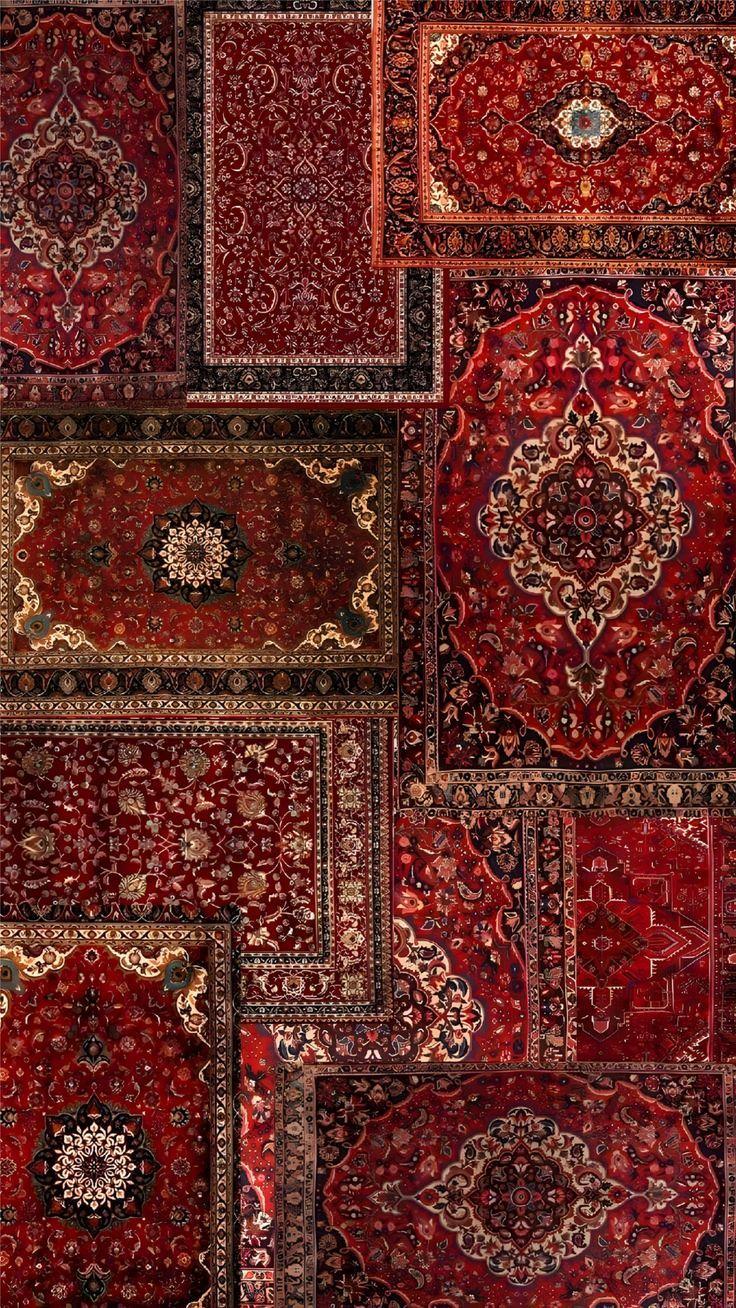
Hand-knotted wool rugs are appropriate for lower-traffic prestige spaces: penthouse suites, private dining rooms, executive lounges. Their knot structure provides longevity that machine-made goods cannot replicate, and their visual depth rewards close inspection. However, they require professional cleaning and a longer lead time, so they suit projects where the schedule allows.
Hand-tufted construction offers a middle path: a faster production cycle, lower cost per square metre, and reasonable durability for medium-traffic areas such as guest room corridors and meeting foyers. The latex backing requires consideration if the rug will be used over underfloor heating.
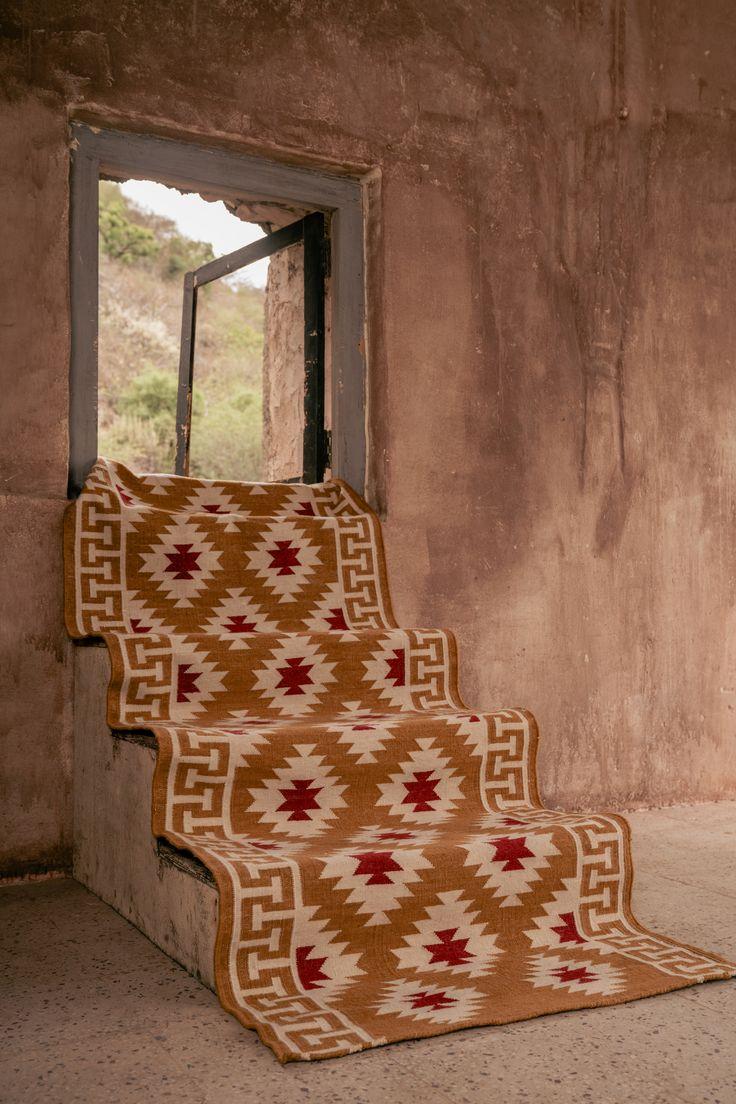
Flatwoven constructions, including kilims and dhurries, are well suited to transitional areas, restaurant floors, and outdoor-adjacent spaces. They are easier to clean, lie flat without underlay, and can be woven in widths that reduce seaming. For high-traffic lobbies requiring a seamless appearance, consider specifying a wall-to-wall flatweave rather than a bordered area rug. Our contract process page outlines how we co-ordinate large flatweave commissions with installation contractors.
Fire Performance and Compliance
Fire performance is a non-negotiable specification item in hospitality. Most jurisdictions require floor coverings in public areas to meet a minimum critical radiant flux rating (under ASTM E648 or equivalent), and many also require smoke density testing. Wool is naturally flame-resistant and typically performs well in fire testing, but the specific test results depend on the construction, backing, and any finishing treatments applied.
When specifying rugs for a hospitality project, ask your supplier to provide test certificates for the specific construction you are ordering, not generic certificates for a different product. If the project is in a market with specific local code requirements, share those requirements with the supplier at the outset. Our contract quality page documents the testing frameworks we work within and the certificates we can supply.
Sizing, Seaming, and Installation Considerations
Hospitality projects frequently require non-standard sizes, corridor runners at specific widths, or rugs that must fit around architectural features. Hand-knotted and hand-tufted rugs can be woven to custom dimensions, but the loom width places a limit on the unjoined width achievable in a single piece. Where the design requires a wider rug, seaming is possible but must be executed by an experienced installer using matching pile direction.
For very large areas, consider specifying a tiled or modular approach using a series of rugs laid in a grid, which also simplifies maintenance (individual pieces can be removed for cleaning without disrupting the entire installation). Confirm with the installer how the pieces will be secured and whether adhesive, gripper tape, or a custom underlay is most appropriate for the substrate.
Our sample programme allows specifiers to order strike-off samples in the specified size, construction, and colourway before committing to full production. For large hospitality contracts, a sample sign-off stage is strongly recommended as part of the procurement schedule.
Maintenance Regimes and Total Cost of Ownership
A rug's true cost in a hospitality context includes cleaning, repair, and eventual replacement, not only the purchase price. A hand-knotted wool rug specified in a suite living area may outlast several rounds of FF+E refreshes if properly maintained, making its higher upfront cost rational over a twenty-year building lifecycle.
Work with the facilities management team from the specification stage to agree a maintenance programme. Most handmade wool rugs require periodic professional wet-washing rather than extraction cleaning. Pile rugs in food and beverage areas need a faster response protocol for spills. Our care and cleaning guide is written for facilities teams and can be shared with the client's housekeeping operations.
Procurement and Lead Time Planning for FF+E Schedules
Rug procurement is frequently the last item on an FF+E schedule and the first to cause delays. Hand-knotted production timelines are measured in weeks to months depending on complexity, and shipping from India adds further weeks. Specifiers who engage rug suppliers early, ideally at the design development stage, give themselves the flexibility to request revisions without jeopardising the programme.
For phased hospitality openings, it is often possible to prioritise production for the first phase while the second phase is still in design development. Discuss phasing requirements with your supplier at the outset. Our RS Contract export team is experienced in co-ordinating multi-phase deliveries to hotel sites worldwide.
To begin a hospitality specification conversation, share your project brief and floor plan via our contract contact page. We will respond with an initial specification recommendation and a lead time estimate within a few working days.
Frequently asked
Can handmade rugs meet commercial fire performance standards?
Wool is inherently flame-resistant and handmade wool rugs frequently meet or exceed commercial fire performance requirements. The specific result depends on construction and backing. Ask your supplier for test certificates for the exact product specification, not generic data.
What pile height is appropriate for a hotel corridor?
Lower pile heights (generally under 10mm) are recommended for high-traffic corridors as they wear more evenly, are easier to clean, and reduce trip risk. Higher pile is appropriate for suite living areas and lounges where traffic is lighter and comfort is the priority.
How far in advance should rugs be specified for a hospitality project?
Engage your rug supplier at design development stage, not during procurement. For hand-knotted custom rugs, allow sufficient time for sample approval, production, inspection, and shipping within your FF+E schedule. Custom flatweave and tufted rugs have shorter lead times.
Is it possible to specify the same design in multiple colourways for a hospitality brand rollout?
Yes. Once a design is established on the loom, producing it in multiple colourways is straightforward. The dye recipe for each colourway should be documented and retained so that replacement pieces can be produced to match the originals.
By RS, 22 September 2025
More in Contract and Hospitality.
Follow the journal in Google Search. Readers who add us as a preferred source see our writing marked in Top Stories and in AI Overviews.