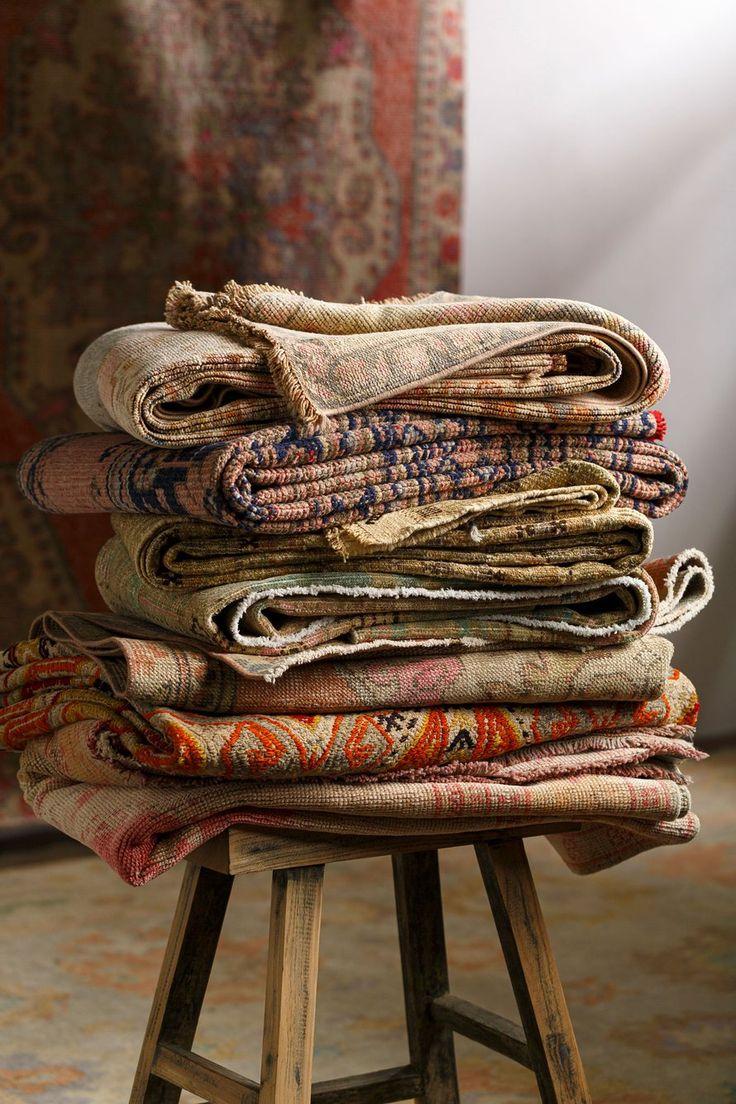
In the language of interior design, the rug is rarely decoration. It is architecture underfoot, the element that determines where a room begins and where it ends. A sofa floats without one. A dining table loses authority. The rug draws a boundary, and within that boundary, space becomes room.
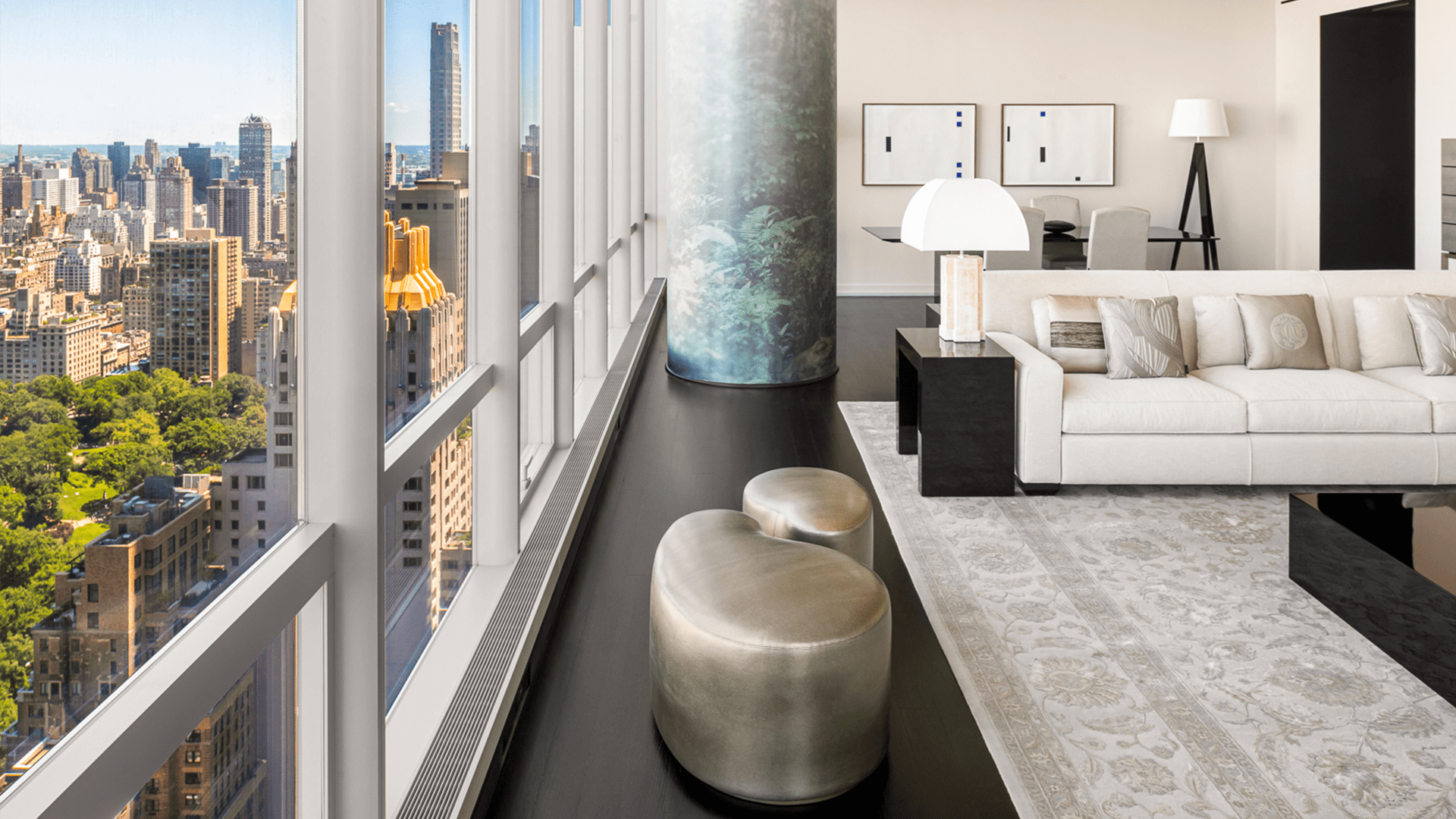
The apartments at One57 in Midtown Manhattan offer a useful case study. Floor-to-ceiling glass dissolves the wall and makes the sky the backdrop. In that condition, nothing else can function as anchor, not the furniture, not the art. Only the rug, laid flat across the marble, quiet and weighty, separates ground from air. The one chosen here is tonal, patterned in the manner of an antique Oushak, its surface worn soft by intention. It makes no argument for itself. It simply holds the room together.
The lesson transfers to any scale. A small flatweave, correctly proportioned, can define a reading corner within an open-plan kitchen. A high-knotted wool in a neutral field can make a narrow hallway feel like a gallery passage rather than a corridor. What changes is not the principle but the metre.
At Raheem & Son, we have always started a commission by asking what the room is for, not what it should look like. The rug that answers the first question will almost always answer the second.
By RS, 8 May 2026
More in Interiors and Styling.
Follow the journal in Google Search. Readers who add us as a preferred source see our writing marked in Top Stories and in AI Overviews.