The Living Room Rug: What It Has to Do and Why It Matters
The living room rug works harder than any other rug in the home. It anchors the furniture arrangement, defines the seating zone within a larger open space, absorbs sound, protects the floor, and carries the visual tone of the room's most-used area. It is walked on multiple times a day, by multiple people, under variable conditions.
Given these demands, selecting a living room rug requires a clear-eyed assessment of both aesthetic aspiration and practical need. The most beautiful rug in the world becomes a source of frustration if it cannot hold its appearance under the conditions your living room actually imposes on it.
This guide addresses the key decisions in order: size and placement first, then material and construction, then pattern and colour, and finally the practical considerations that affect long-term satisfaction.
Size and Placement: The Foundation of the Decision
Size is almost always more important than pattern or colour. A rug that is the wrong size for a room will undermine the interior regardless of its other qualities. The most common mistake is choosing a rug that is too small, which creates a floating, disconnected effect that fragments the space rather than unifying it.
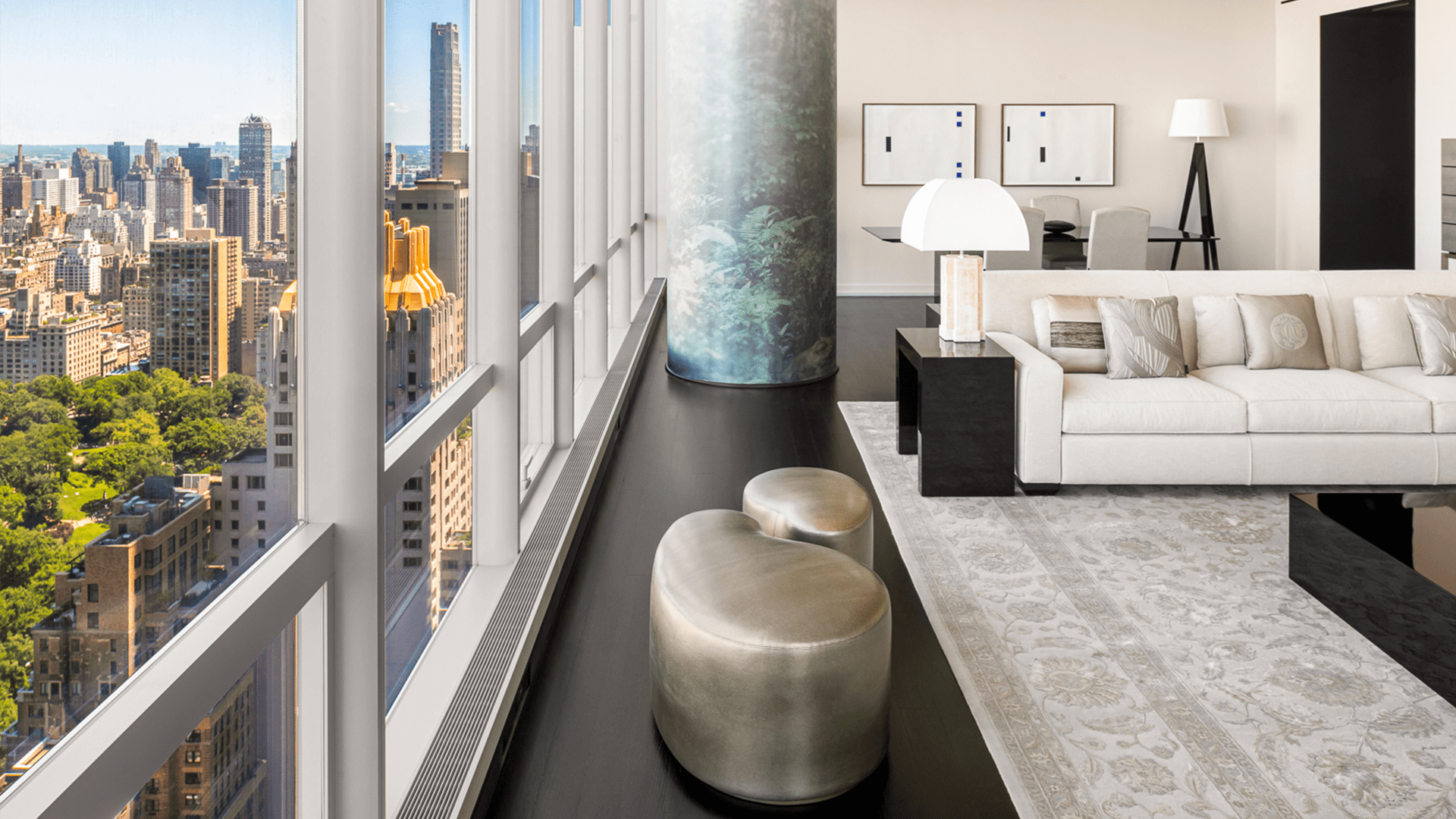
In a living room, the rug should be large enough for all primary seating legs to sit on it, or at least for the front legs of all main seating pieces to rest on its edge. The rug should extend beyond the seating group on each exposed side by at least thirty centimetres. In larger rooms, a more generous extension of forty-five to sixty centimetres creates a better proportion.
For open-plan spaces where the living area flows into a kitchen or dining zone, the rug defines the living area's boundary. The rug edge should clearly mark this territory rather than trailing ambiguously toward the adjacent zone. Our size and fitting guide provides specific dimension recommendations for common room configurations.
Material: Choosing for the Life You Actually Live
Wool is the most practical and most beautiful material for a living room rug in most households. It handles foot traffic well, resists soiling through its natural lanolin content, and springs back from compression better than any alternative. A good wool pile on a cotton foundation is the workhorse of the handmade rug world and the right choice for most living room applications.
Wool-silk blends offer a slight increase in visual refinement, with the silk adding a gentle luminosity to the surface. They are somewhat more delicate than pure wool but perfectly appropriate for living rooms that are not used in the most intensive possible way. Pure silk pile is generally not recommended for a primary living room rug because it does not handle regular foot traffic as well as wool.
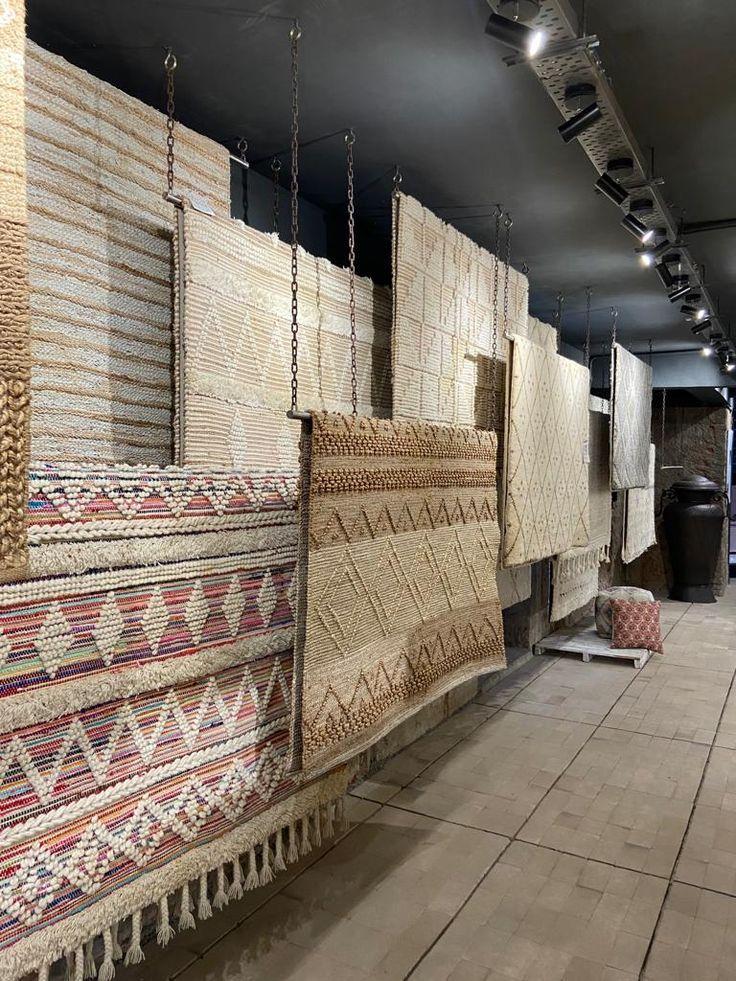
Natural fibre rugs in jute or sisal have a particular appeal in casual, relaxed living rooms, especially those with a connection to outdoor areas or a deliberately informal character. They are durable in a different way from wool: robust and textural rather than soft and resilient. They are not comfortable in bare feet over extended periods, and they require more careful handling when wet.
Pattern and Colour: Setting the Tone of the Room
The living room rug often sets the palette for the entire room. If the rug comes first in the design sequence, the surrounding furniture, curtains, and accessories can be drawn from its palette with coherence. If the rug comes last, it must negotiate with the choices already made.
Pattern scale should be considered in relation to the room's other patterns and in relation to the viewing distance. A fine geometric or floral pattern that reads beautifully at close range can lose its detail and read as texture from the typical viewing distance of a living room sofa. Bold, clear patterning tends to hold its character at distance better.
For neutral, calm living rooms, a rug with a quiet, tonal pattern or a solid ground with border works well. For rooms with plainer walls and simpler furniture, a more complex or colourful rug can carry the room's primary visual interest without competition. The articles on layering neutrals for calm interiors and rug colours for open-plan spaces address this in more depth.
Pile Height and Density for Everyday Use
A medium pile height with good density is the practical optimum for a living room. This combination provides enough cushion underfoot to be comfortable but enough resilience to recover well from the regular compression of furniture legs and foot traffic. A very high pile in a living room will develop visible traffic lanes and may flatten unevenly under furniture over time.
Flat-woven rugs, including kilims and dhurries, work well in living rooms that are used informally or that have a lot of natural light and an aesthetic that suits the flatter texture. They are easier to clean than pile rugs and are a good choice in homes with pets or young children. Their lower cushioning is compensated by comfort underlay.
For households with pets, a medium density pile in a patterned or multi-tonal design is the most forgiving combination. Solid colours in fine pile show pet hair and marks more readily than a textured or patterned surface.
Practical Durability: What to Expect Over Time
A handmade wool rug in a living room, properly cared for, should not show significant wear within the first decade of use. The natural resilience of the fibre, combined with a sound construction, means that the surface will continue to perform and look good with routine maintenance.
Rotation is the single most effective maintenance action for a living room rug. Rotating the rug one hundred and eighty degrees every six to twelve months ensures that foot traffic and any directional light exposure are distributed evenly across the surface. Without rotation, a rug in a primary traffic corridor will wear on one side while the other remains pristine.
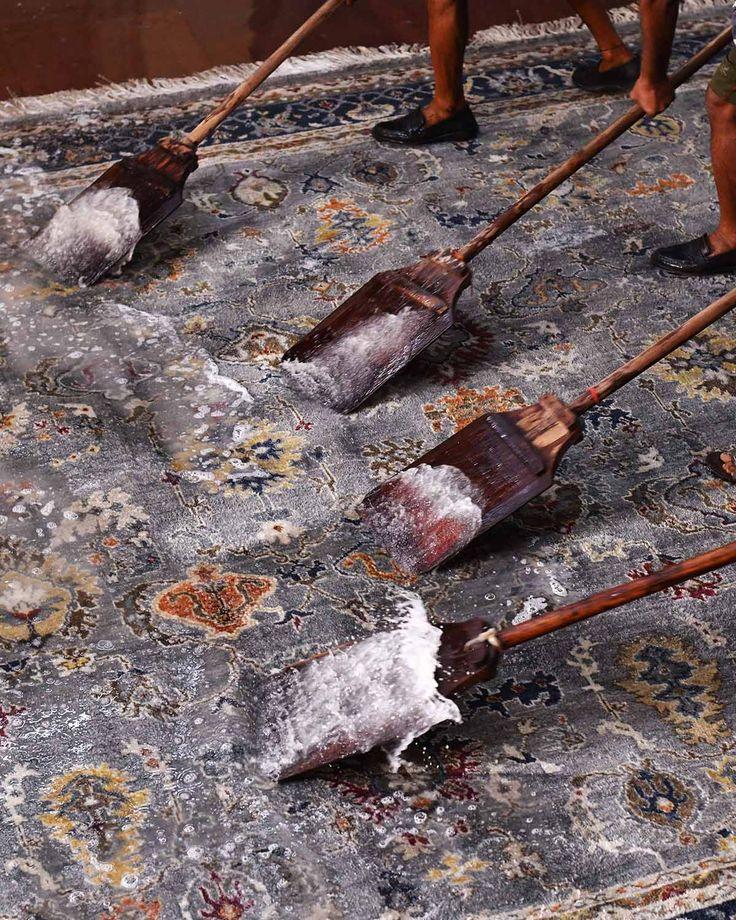
For detailed guidance on maintaining a handmade rug over its lifetime, including how often to vacuum, when to arrange professional cleaning, and how to address specific stains, our care and cleaning guide covers all the essentials.
Completing Your Purchase: Samples, Curation and Advice
Because a living room rug is a significant and long-term purchase, we strongly recommend requesting samples of any rug under serious consideration. Seeing the actual fibre, colour, and pile in your room under your lighting conditions prevents the most common source of dissatisfaction, which is that the rug looks different at home than it did in the catalogue or showroom.
Buyers who would like a more guided approach to selection, including help identifying options that suit their specific room, palette, and lifestyle, can use our personal curation service. Our team will ask the right questions and present a shortlist rather than leaving the buyer to navigate the full range alone.
Frequently asked
What is the ideal rug size for a standard living room?
The rug should be large enough for at least the front legs of all main seating pieces to rest on it, with the rug extending at least thirty centimetres beyond the seating group on exposed sides. Most living rooms require a rug of 240cm x 300cm or larger. Measure your seating arrangement before selecting a size.
What is the most durable rug material for a living room?
Wool is the most practical and durable natural fibre for living room use. It handles foot traffic, resists soiling, and recovers from compression better than alternatives. A wool pile on a cotton foundation is the classic choice for a family living room.
Should all furniture legs be on the rug or just the front legs?
Both approaches are valid. All legs on the rug creates the most unified, grounded effect but requires a larger rug. Front legs on the rug is a practical alternative that still anchors the furniture to the rug visually while requiring a slightly smaller piece.
How often does a living room rug need professional cleaning?
For a handmade wool rug in regular residential use, professional deep cleaning every two to three years is generally appropriate. Routine vacuuming and prompt attention to any spillage will maintain the surface between professional cleans.
By RS, 20 November 2025
More in Interiors and Styling.
Follow the journal in Google Search. Readers who add us as a preferred source see our writing marked in Top Stories and in AI Overviews.