Why Kilim Care Differs from Pile Rug Care
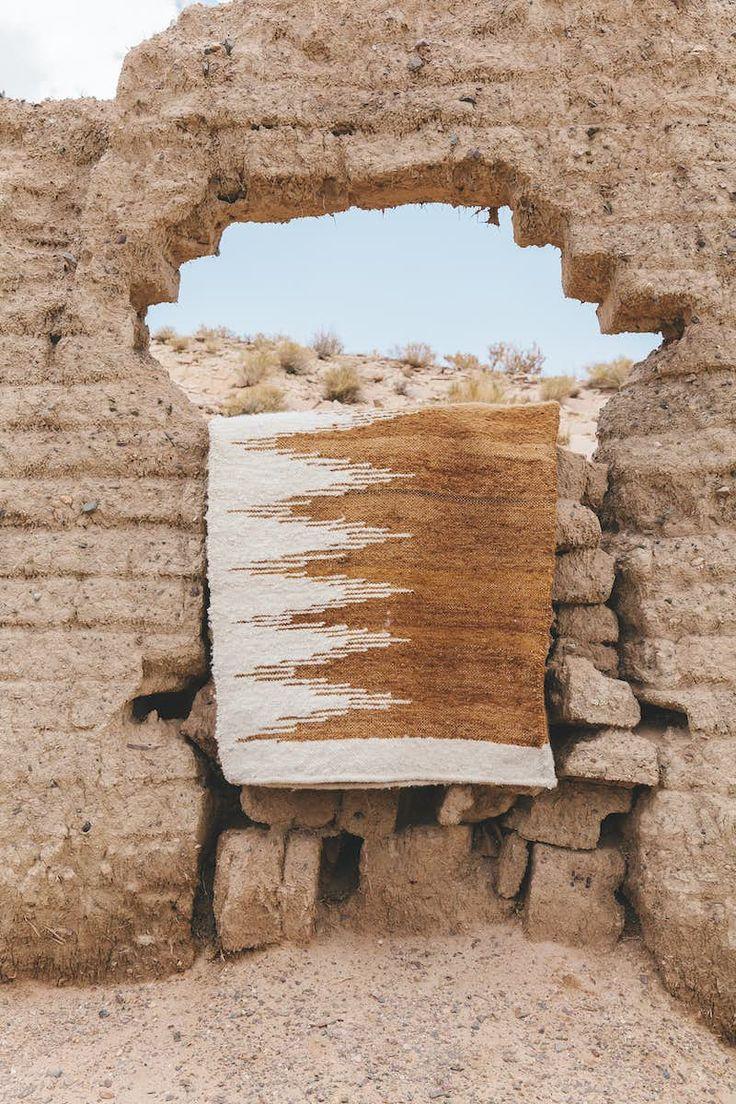
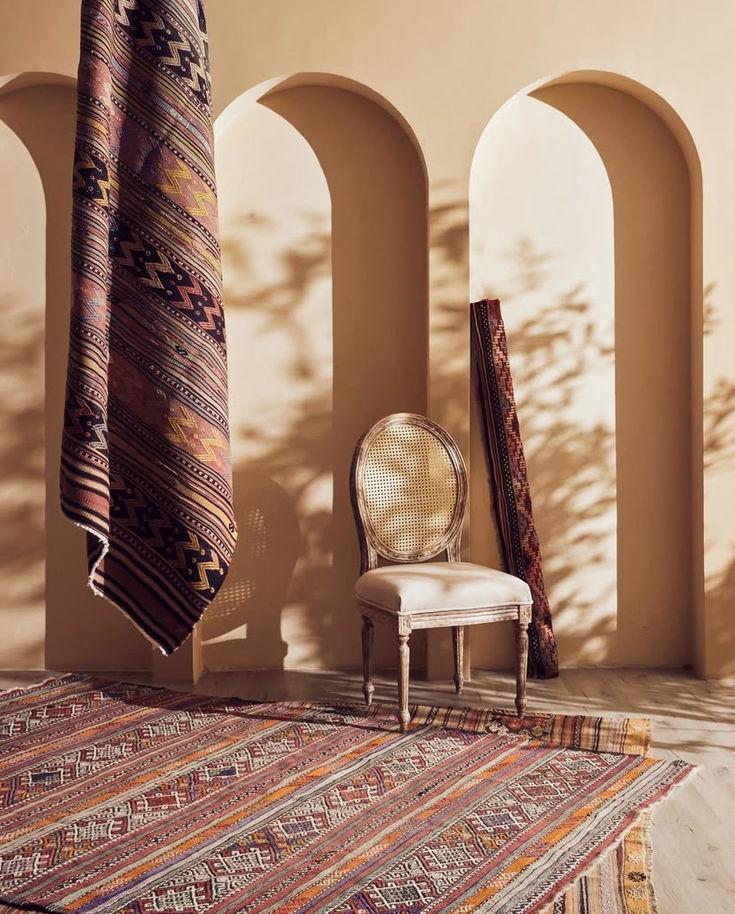
A kilim is a flatwoven textile: its structure consists of weft yarns woven tightly through warp threads, with no pile extending above the surface. This construction gives kilims their characteristic flat face, their reversibility, and their lightness relative to hand-knotted pile rugs. It also means that dirt and grit behave differently in a kilim than in a pile rug: rather than lodging at the base of the pile where it can be extracted by vacuuming, particles work directly into the flatwoven structure and can cause abrasive damage if left there.
Understanding this difference shapes every aspect of kilim maintenance. Regular, careful vacuuming matters more than it does for pile rugs; prompt attention to spills is more critical because there is no pile to slow the penetration of liquid; and the structural repairs that a kilim may eventually need are different in nature from those required by a pile rug. A few well-established habits will keep a quality kilim in excellent condition for decades.
Routine Vacuuming: Frequency and Method
Kilims should be vacuumed regularly, at least weekly in high-traffic positions. Use a suction-only setting without the beater bar or rotating brush, which can pull and distort the weft threads. Vacuum in the direction of the weft, across the rug rather than along its length, to avoid snagging the structural threads.
Because kilims are reversible, occasional vacuuming from the back as well as the face helps dislodge particles that have worked into the structure. When vacuuming the back, use a low suction setting to avoid pulling the weft loops out of position. Shaking a smaller kilim outdoors before vacuuming is also effective, but avoid doing this to large or heavy pieces, which can put uneven stress on the structure.
Dealing with Spills: The Critical First Response
The flatwoven structure of a kilim means that liquid spills penetrate faster and more completely than they would in a pile rug. Acting within the first minute or two of a spill gives you a reasonable chance of preventing a permanent stain; waiting longer significantly reduces your options.
Blot rather than rub. Use a clean, dry cloth and press firmly onto the spill to draw the liquid out of the textile into the cloth. Work from the edges of the spill toward the centre to avoid spreading it further. Replace the cloth as it becomes saturated. After blotting as much liquid as possible, place a dry towel under the spill area and allow the rug to dry in a well-ventilated space. Do not apply heat to speed drying, as this can set some stains or distort the structure.
For oil-based spills, apply a small amount of dry cornflour or similar absorbent powder to the affected area immediately, allow it to sit for a few minutes to absorb the oil, and then brush or vacuum away gently. Follow with a slightly damp cloth to lift any residue. Our care and cleaning page provides a more comprehensive stain guide for different spill types.
Deeper Cleaning at Home: What Is Safe and What Is Not
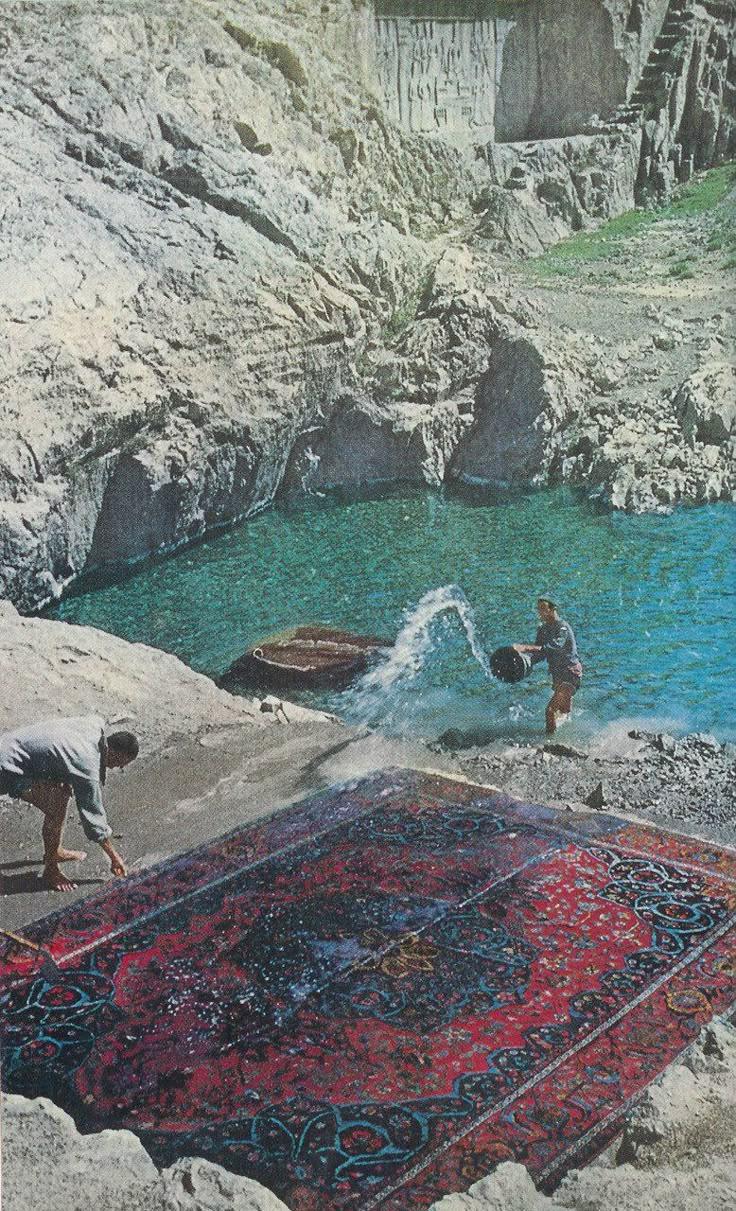
Smaller kilims can be cleaned at home with care. Lay the rug flat on a clean, hard surface outdoors or in a well-ventilated area. Using a mild, pH-neutral soap dissolved in cool water, work gently across the face with a soft brush or sponge, following the direction of the weave. Avoid scrubbing or applying the soap in circular motions, which can distort the weft threads.
Rinse thoroughly with clean, cool water, removing all soap residue. Soap left in the textile will attract dirt once the rug is back in use. Allow the rug to dry completely on a flat surface, turning it periodically to ensure both faces dry evenly. Do not hang a wet kilim vertically, as the weight of the water can stretch and distort the warp threads.
Machine washing is generally not recommended for handmade kilims, even on a gentle cycle. The agitation and the pressure of water can loosen weft threads and distort the selvedge edges. If in doubt, professional hand cleaning is always the safer choice.
Professional Cleaning: When and How Often
For kilims in regular domestic use, a professional clean every few years maintains the textile in the best condition. A specialist rug cleaner who understands flatweaves will hand wash the piece, using appropriate cleaning agents for the fibre type, and dry it carefully to prevent any structural distortion.
When selecting a professional cleaner, ask specifically whether they have experience with flatwoven kilims and whether they hand wash rather than machine wash. Specialist rug cleaners operate very differently from general carpet cleaners, and a service equipped for deep-pile carpets may not be the right choice for a handmade kilim. A reputable specialist will assess the piece before quoting and advise on whether any pre-treatment of specific stains is needed.
Rotation, Underpads, and Avoiding Uneven Wear
Kilims wear most in the areas of heaviest foot traffic, and because their structure is flatter and thinner than a pile rug, the effects of uneven wear can become visible sooner. Rotating the rug by 180 degrees every six to twelve months distributes wear more evenly across the entire surface and extends the life of the piece considerably.
A quality underpad is important beneath a kilim for two reasons: it prevents slipping on hard flooring, which is a safety concern, and it cushions the structure from the abrasive effect of the hard floor surface below. For kilims, a thinner underpad is usually preferable to a very thick one, which can cause a flatweave to bunch or move. Use a pad that grips both the floor and the rug without adding so much height that it creates a tripping hazard at the edges.
Storage and Long-Term Preservation
If you need to store a kilim for an extended period, roll it rather than folding. Folding creates permanent creases in the structure that are difficult to reverse and can, over time, weaken the textile at the fold lines. Roll the rug around a cardboard or fabric-covered tube, face outward, and wrap loosely in acid-free tissue paper or a breathable cotton cloth. Avoid plastic covers, which trap moisture.
Store in a cool, dry, dark place with good air circulation. Check the rug periodically for signs of moth damage, which is a particular risk in wool kilims. Cedar blocks or lavender sachets placed near the stored rug can deter moths without using chemical treatments. If you discover moth damage, address it promptly: a small area of damage caught early can be repaired by a skilled restorer; extensive damage becomes much harder and more expensive to address. If you have questions about repair options for a damaged kilim, our team can advise via our contact page.
Frequently asked
Can I put a kilim in a washing machine?
It is generally not recommended. Machine washing can loosen the weft threads, distort the selvedge, and cause colour bleeding in naturally dyed pieces. Hand washing or professional cleaning is safer for most handmade kilims.
How do I stop a kilim from slipping on a hard floor?
Use a quality underpad designed for hard flooring. For kilims, choose a thinner pad that grips both the floor and the rug without adding excessive height. Double-sided carpet tape is an option for smaller pieces but can leave residue.
What is the best way to remove a red wine stain from a kilim?
Act immediately. Blot from the edges inward with a dry cloth to absorb as much liquid as possible. Then blot with a cloth dampened with cool water. Avoid rubbing. For persistent stains, seek professional advice rather than applying chemical treatments that may damage natural dyes.
How long should a kilim last with proper care?
A well-made kilim in good materials, properly cared for, can last well over a century. The flatwoven structure is robust, and with prompt attention to wear and damage, pieces can be kept in excellent condition across multiple generations.
By RS, 10 March 2026
More in Care and Longevity.
Follow the journal in Google Search. Readers who add us as a preferred source see our writing marked in Top Stories and in AI Overviews.