Why Fibre Choice Is the First Decision in Any Rug Specification
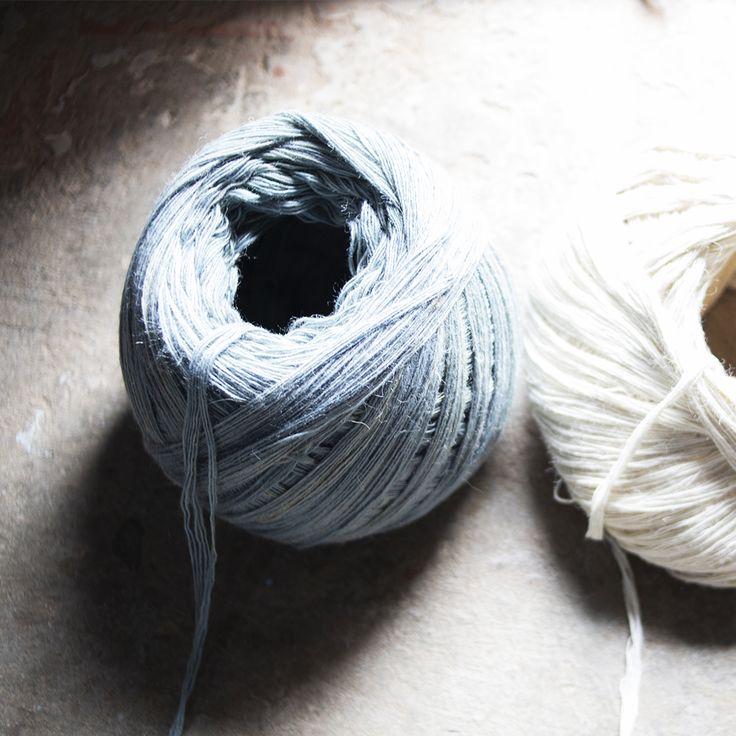
Every other variable in a rug, its pattern, its density, its colour, operates within the possibilities defined by the fibre. A fine silk accepts detail that wool cannot. Jute offers a texture and weight that neither silk nor wool can replicate. Cotton in the foundation of a rug behaves differently from cotton in the pile. Understanding what each fibre does is the foundation of every good specification.
At Raheem & Son, our weavers work across all the major natural fibres, and blends of them. The choice of fibre is always discussed at the outset of a commission or a buying conversation, because it affects not only the look and feel of the finished piece but also its long-term performance in a specific setting.
Wool: Versatile, Durable, the Default for Good Reason
Wool is the most versatile pile fibre in the handmade rug tradition. It accepts natural and synthetic dye well, produces a wide range of textures depending on how it is spun and woven, and is robust enough for everyday residential use and lighter commercial applications. The fibre's natural crimp gives it resilience underfoot: it compresses and recovers rather than permanently flattening.
Wool is also the most forgiving material from a care and cleaning perspective. Dirt tends to sit at the surface of wool pile rather than penetrating immediately, and the fibre is less susceptible to moisture damage than silk. For most residential buyers, wool is the appropriate default unless there is a specific reason to consider another material.
Silk and Bamboo Silk: Lustre, Fineness and Appropriate Use
Natural silk produces the finest, most lustrous pile available in handmade rugs. A high-density silk rug can carry intricate pattern detail that would be impossible in wool, and the sheen of silk pile changes dramatically with the angle of light, giving these pieces a visual quality that no other fibre matches. Natural silk rugs are among the most expensive in the handmade category, reflecting both the cost of the fibre and the time required to weave at very high densities.
Bamboo silk, sometimes called art silk or viscose, is a regenerated cellulose fibre that mimics the look of natural silk at a significantly lower cost. It produces a similar sheen and accepts fine detail well, but it is less durable than natural silk and considerably less resilient than wool. Bamboo silk pile crushes more readily under foot traffic and is more susceptible to watermarking. It is best suited to low-traffic areas where its visual qualities can be appreciated without excessive wear.
A common use of silk in fine rug production is as a highlight fibre within a predominantly wool rug. Silk is used in the areas of finest detail or highest visual interest, while wool carries the body of the design. This approach delivers the visual benefit of silk where it matters most, while keeping the overall piece more practical and more affordable. For more detail, see our piece on silk and bamboo silk in rugs.
Cotton: Foundation Material and Flat-Weave Pile
Cotton is most commonly encountered in the foundation of a handmade rug, as the warp threads around which the pile knots are tied, and the weft threads that hold the structure together between rows. Cotton warps and wefts are dimensionally stable, particularly in humid environments, which makes them preferable to wool foundations for large rugs in certain climates.
Cotton can also appear in the pile, particularly in flat-woven kilim constructions and some tufted rugs. Cotton pile is crisp rather than soft, holds colour well, and sits flat. It does not have the resilience of wool and will show wear more quickly in high-traffic areas, but in a flat-weave where pile depth is not a factor, cotton is a practical and visually clean option.
Jute and Natural Plant Fibres: Texture, Character and Limits
Jute is a bast fibre, extracted from the stalk of the jute plant, and it is the most common natural plant fibre used in rugs. Jute rugs have a distinctive warm, golden colour and a textural quality that is earthy and informal. They are lightweight, relatively inexpensive, and biodegradable. They are also less resilient than wool: jute pile does not recover from heavy compression and is susceptible to moisture damage. A jute rug in a bathroom or kitchen is likely to deteriorate quickly.
Seagrass, sisal, and coir are related plant fibres used in natural fibre rugs and matting. Each has a different surface texture and varying degrees of moisture resistance. Sisal is the most durable of the group. None of them accept dye as readily as wool or cotton, which is why most natural plant fibre rugs are available in limited, natural colour palettes.
Blends and How to Think About Them
Wool and silk blends bring the visual quality of silk to constructions that are more durable than pure silk. Wool and cotton blends in the pile are less common but exist in some regional weaving traditions. The performance of a blend follows a weighted average of the properties of its component fibres. A 70% wool, 30% silk blend will be somewhat more lustrous than pure wool and somewhat more durable than pure silk.
Buyers specifying blends should ask the supplier to state the proportion of each fibre clearly, and to describe how the blend is used. Is the silk distributed throughout the pile, or is it used selectively in certain areas? These are different constructions with different performance implications. Our team at Raheem & Son can guide buyers through the practical implications of any blend specification.
Frequently asked
Which rug material is best for a living room with children and pets?
Wool is the most practical choice for high-use family settings. It is resilient, relatively easy to clean, and hides soil better than silk or plant fibres. A higher-density construction will perform better than a low-density one in this context.
What is the difference between natural silk and bamboo silk in a rug?
Natural silk is a protein fibre from the mulberry silkworm, extremely strong at the fibre level and capable of the finest detail. Bamboo silk is a regenerated cellulose fibre that looks similar but is less durable, less resilient under foot traffic, and more susceptible to water damage.
Can I use a jute rug in a dining room?
Jute can work in a dining room that does not experience liquid spills regularly, but it is susceptible to moisture damage and does not clean as easily as wool. In a family dining room with regular use, wool is a more practical choice.
By RS, 20 October 2025
More in Materials and Construction.
Follow the journal in Google Search. Readers who add us as a preferred source see our writing marked in Top Stories and in AI Overviews.