The Idea of the Heirloom Object
Most objects in the contemporary home are designed to be replaced. Furniture, electronics, even clothing are made with expected lifespans measured in years rather than decades. A handmade rug is one of the few objects in domestic life that genuinely defies this pattern. The oldest rugs in the world, preserved in museum collections and private holdings, are hundreds of years old and retain, in some cases, a beauty that newer pieces cannot match. Age, for a well-made rug, is not deterioration. It is development.
To buy a rug as an heirloom is to make a different kind of decision from the usual consumer transaction. You are selecting something with the expectation that it will outlast you, that your children or the next owners of your home may live with it, and that the quality of your choice will be visible and felt across that entire span. This changes the criteria for selection considerably.
Construction: The Foundation of Longevity
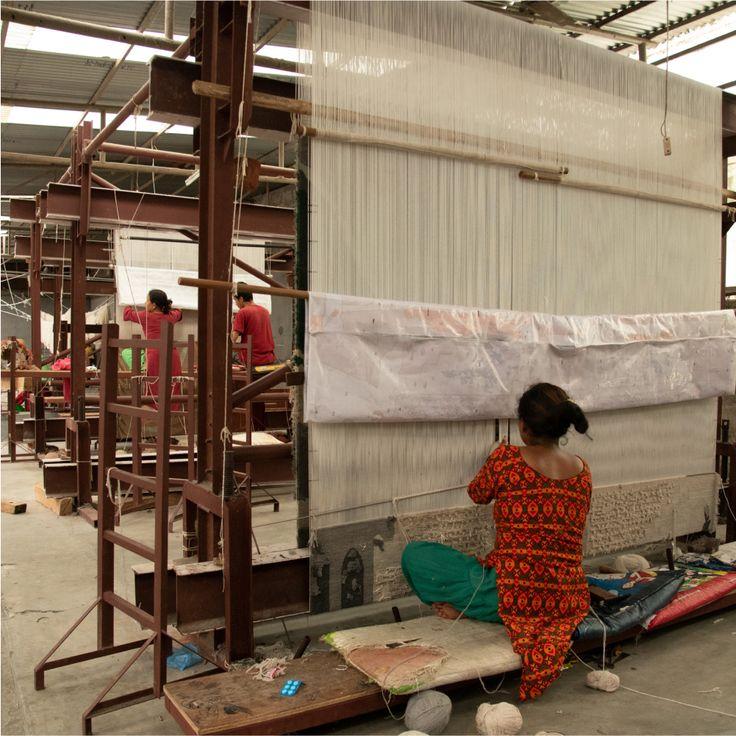
The single most important predictor of a rug's longevity is the density and quality of its knotted structure. In a hand-knotted rug, each knot is an individual structural element. The more knots per square unit, the denser and more resilient the pile foundation, and the more precisely the pattern can be rendered. High-density knotting also means that individual knots, if they do work loose over time, represent a smaller proportion of the total structure and can be repaired without visible disruption.
The foundation, the warp and weft threads around which the knots are tied, is equally important. Cotton foundations are dimensionally stable and resist moisture without distorting; wool foundations are traditional and resilient; silk foundations allow the finest knot work but are more delicate. For a rug intended to be used daily over generations, a cotton or wool foundation with a high-quality wool or wool-and-silk pile is typically the most robust combination.
Our rug process describes how these structural decisions are made during production and what they mean for the finished piece.
Materials That Improve with Age
Wool from high-quality sources is the material that ages most beautifully in a handmade rug. High-altitude wools, with their longer staple and higher lanolin content, develop a surface lustre over years of gentle use that is distinct from the look of a new pile. The fibres smooth and align with repeated contact, producing what is sometimes called a patina of use: a surface that reflects light slightly differently from a new rug and that has a warmth and depth that cannot be replicated by any other means.
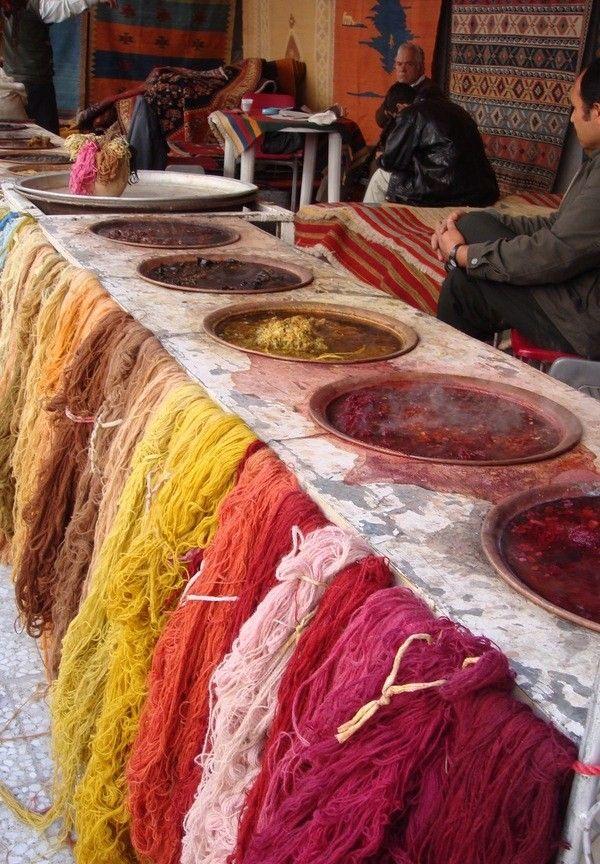
Natural dyes, as discussed in our piece on hand-dyed rugs and natural colour, age more gracefully than synthetic dyes. The organic dye molecules mellow and deepen over time rather than fading unevenly, which is why antique naturally dyed rugs have colour tones of such complexity and richness. For a rug you intend to keep for generations, the investment in natural dyeing is worthwhile.
Silk does not age in the same way as wool; it remains relatively constant in lustre but is more sensitive to foot traffic and moisture. All-silk rugs are better suited to low-traffic positions or display. Wool-and-silk combinations offer the longevity of wool with the reflective quality of silk highlights, and this is often the most appropriate choice for a high-quality residential piece intended for daily use.
Pattern Choices That Age Well
The aesthetic life of a rug is not just about physical durability. A rug that is technically perfect but whose pattern becomes dated or tiresome is not, in any meaningful sense, an heirloom. Choosing a pattern that will remain coherent and pleasing across decades of changing interior fashions is a design challenge with no certain answer, but there are principles that help.
Traditional patterns, whether from Persian, Central Asian, Anatolian, or Indian traditions, have a proven track record. The geometric and floral vocabularies of these traditions have been in continuous use for centuries because they respond to the eye in ways that are genuinely enduring. A rug in a traditional pattern may read as contemporary or as antique depending on the palette and the interior around it, which is part of what makes it resilient to shifts in taste.
Abstract and contemporary patterns can also endure if they are rooted in strong compositional logic rather than in specific stylistic moments. A rug designed around a clear geometric structure or an abstracted natural form is more likely to age well than one that references a particular design trend precisely.
Care as Part of the Heirloom Commitment
No rug, however well made, will last generations without appropriate care. The commitment to keeping a rug well is part of the heirloom contract. Regular rotation ensures even wear distribution; a rug that sits in a fixed position will develop uneven fading and pile compression in the areas of heaviest traffic. A quality underlay prevents the pile from grinding against hard flooring and extends the life of the foundation.
Professional cleaning every few years, by a specialist who understands handmade textiles, is more effective and less damaging than frequent spot cleaning. Between professional cleans, regular gentle vacuuming in the direction of the pile and prompt attention to spills are the most important maintenance habits. Our care and cleaning guide provides specific guidance for different pile types and materials.
Repair as Part of the Life of an Old Rug
A rug that has been in use for decades will eventually show wear in specific areas, particularly along the pile path and near doorways. This is not failure; it is evidence of use. What matters is how the rug is maintained as these signs of wear appear. Small areas of pile loss or foundation damage, addressed by a skilled rug restorer early, can be invisible after repair. Left untended, the same damage becomes structural and much harder to reverse.
The existence of a tradition of skilled rug restoration, practised in most major cities worldwide, is part of what makes a high-quality handmade rug a genuinely generational object. Unlike most mass-produced goods, a hand-knotted rug can be repaired, and repaired, and repaired again, each time returning to service. The oldest rugs in the world carry the marks of multiple restorations, each a decision by someone who valued the object enough to maintain it. That is the heirloom chain in material form.
Making the Investment: What to Prioritise
If you are approaching a rug purchase as an heirloom investment, the priorities are clear. First, construction quality: the densest knotting you can accommodate within your budget. Second, materials: high-grade wool, naturally dyed, on a stable foundation. Third, pattern: something rooted in a tradition or a compositional logic strong enough to outlast your own aesthetic preferences. Fourth, care: a commitment to treating the rug well over its life.
The budget required for a genuinely heirloom-quality piece is real, but understood over the lifespan of the object, it becomes reasonable. A rug that serves your home for fifty years, and then serves another home for fifty more, represents different value from any piece designed to be replaced within a decade. We are glad to have this conversation with anyone who is thinking seriously about a long-term acquisition. Our team at personal curation can help you identify pieces that meet these criteria.
Frequently asked
How long can a well-made hand-knotted rug last?
Centuries, in some documented cases. A high-quality hand-knotted rug with good materials, appropriate care, and periodic professional restoration can remain in use and aesthetically relevant for generations. The oldest surviving rugs are several hundred years old.
Does a higher knot count always mean a more durable rug?
Higher knot density contributes to structural durability, but it must be combined with quality materials and sound finishing. A densely knotted rug in poor-quality yarn will not outlast a moderately knotted piece in high-grade wool.
Is an antique rug a better heirloom choice than a new one?
Both can serve as heirlooms. An antique rug has already proven its durability and may have a visual depth that a new piece will take decades to develop. A new piece from a quality producer allows you to specify exactly what you want and to know its full history.
How do I know if a rug I am considering is truly heirloom quality?
Examine the back for knot density and evenness, ask about material grade and dye methods, and understand who made it and how. Physical inspection and informed questions to a producer with transparent supply chains are the clearest indicators.
By RS, 8 December 2025
More in Heritage and Sustainability.
Follow the journal in Google Search. Readers who add us as a preferred source see our writing marked in Top Stories and in AI Overviews.