Why Handmade Rug Pricing Confuses Buyers
Walk into any serious rug showroom and the range is staggering. Two rugs of similar size can differ in cost by a factor of ten or more. Without knowing what drives that difference, buyers are left guessing. The answer lies in a series of compounding variables, each of which adds time, material, or skill to the finished piece.
At Raheem & Son, we have been producing handmade rugs in Bhadohi since 1927. We have seen the full range of what it takes to produce a rug well and what corners are cut when a rug is produced cheaply. This piece is a straightforward account of the factors that determine what a genuine handmade rug costs to produce, so that buyers can read a specification and understand what they are paying for.
Raw Material: The Foundation of Every Cost Calculation
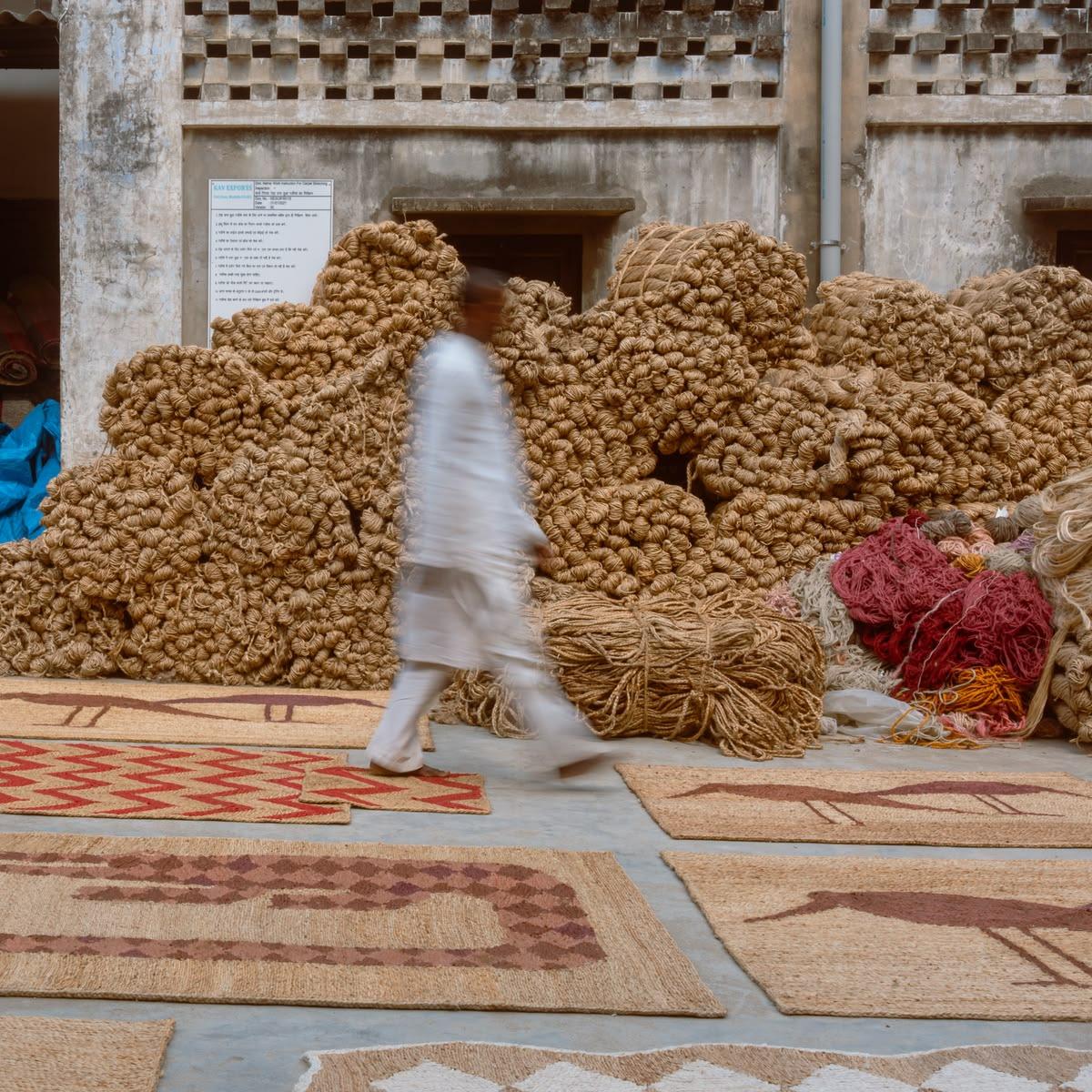
The fibre in the pile is the largest single material cost in most handmade rugs. Wool grades vary considerably, and the difference in price between a standard fleece and a fine highland wool is significant. Silk, whether natural mulberry silk or bamboo silk, commands a premium above even the finest wool. The proportion of silk in a rug, whether it is used throughout or only in highlight areas, has a direct and material effect on cost.
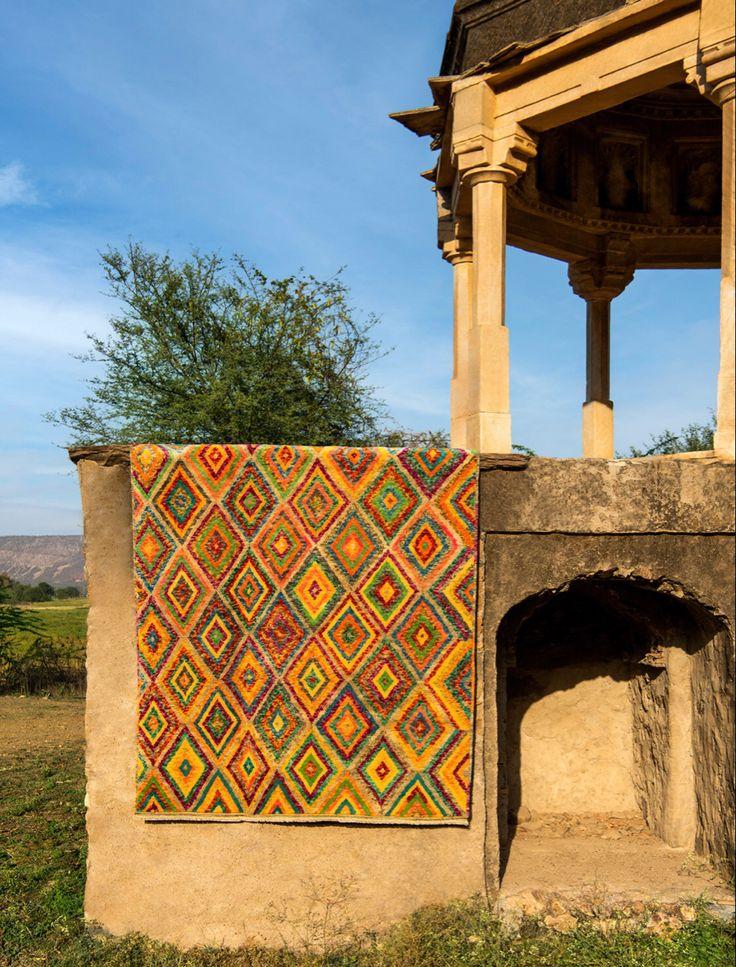
Dye type is a second major material variable. Natural dyes, produced from plants, insects, and minerals, require more material, more specialist knowledge, and more processing time than synthetic dyes. They also produce results that evolve with age in ways synthetic dyes do not, which is why naturally dyed rugs are valued differently in the market. Our rug process section covers the dyeing stages in detail.
Foundation materials, cotton or wool warps and wefts, add further cost. A tight, even foundation contributes directly to the flatness and longevity of the finished rug. Economy constructions often use lighter-weight foundations that save material cost but reduce structural integrity over time.
Knot Density and Weaving Time
The most labour-intensive element of a handmade rug is the knotting itself. A hand-knotted rug is built knot by knot, with each knot individually tied by a weaver around the warp threads. The density of these knots, measured in knots per square inch or knots per square metre, determines how much weaving time a given area of rug requires. A higher density means more knots per area, which means more time per square metre at the loom.
For a large rug at high density, the weaving time runs to many months. For a fine silk rug at the highest densities, weaving a single large piece can occupy a team of weavers for well over a year. This time is not an abstraction. It is the primary reason hand-knotted rugs at the finer end of the density range carry the prices they do.
Buyers who want to understand this variable more deeply will find our piece on how to read knot density a useful reference. Density is expressed in different ways across different production traditions, and knowing how to compare specifications across sources is a practical skill for any serious buyer.
Pattern Complexity and Design Costs
A simple geometric or stripe pattern can be woven from a basic cartoon, a scaled diagram that guides the weaver through colour changes. A complex floral medallion with fine shading and gradients requires a detailed, colour-accurate cartoon that is itself a significant piece of work to produce. Pattern origination, whether it involves in-house design or the recreation of a historical design, is a cost that is often invisible in a finished piece but real in the production budget.
Custom and bespoke design work, such as the kind offered through our personal curation service, adds design time, revision cycles, and sometimes physical sampling to the cost. These are legitimate costs that reflect the expertise involved. A buyer commissioning a bespoke rug should expect to pay for design origination separately from the production itself.
Finishing, Washing and Quality Control
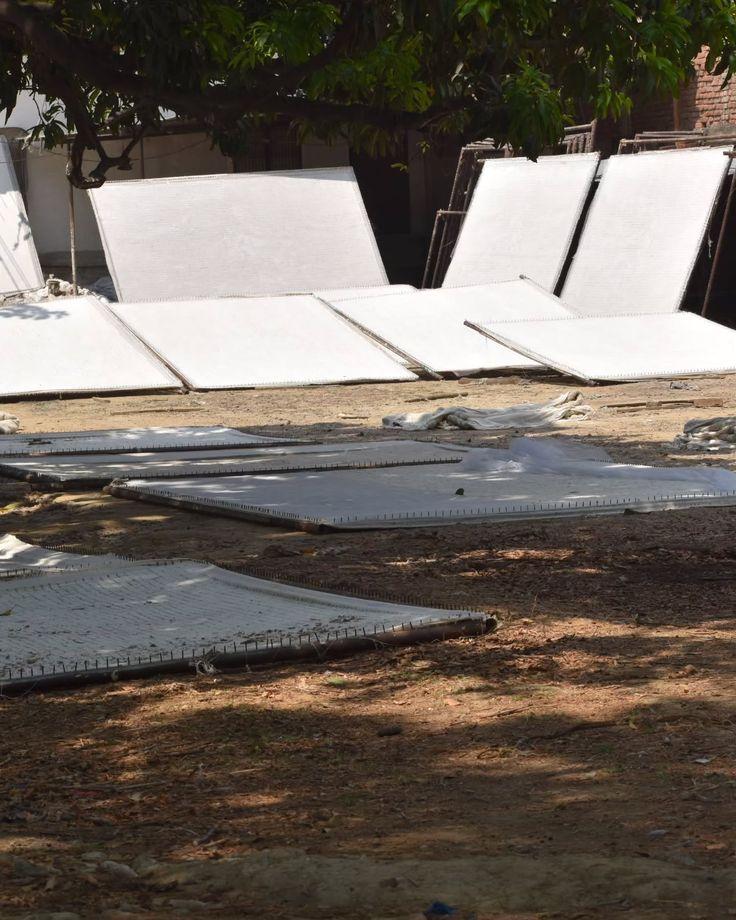
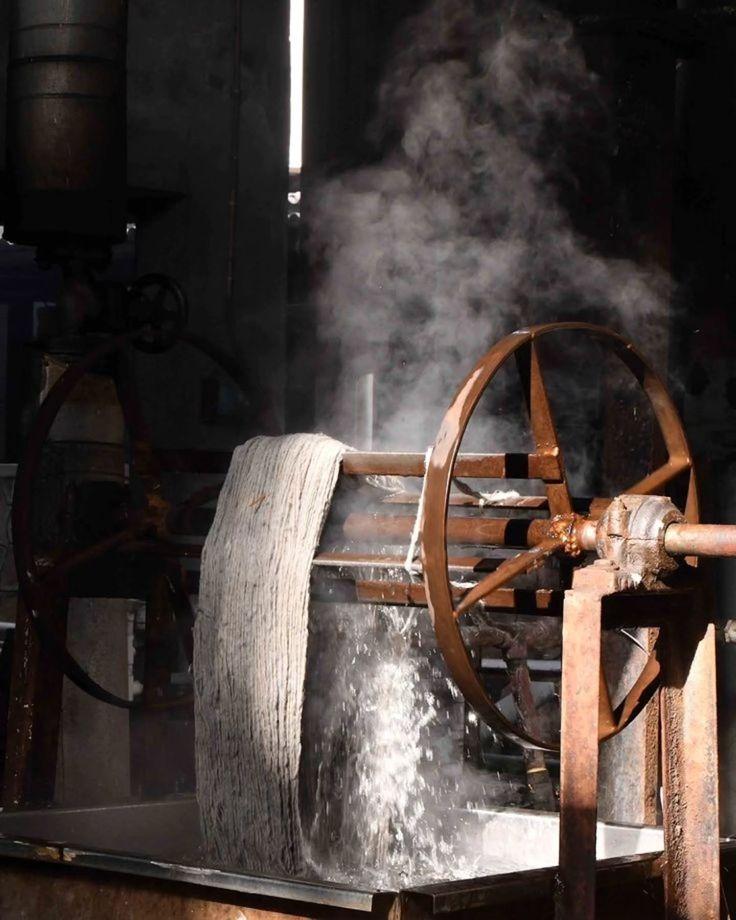
After a rug leaves the loom, it goes through clipping, washing, and finishing. Clipping levels the pile height and sharpens pattern definition. Washing opens the fibres, sets the dye, and gives the rug its final texture. For naturally dyed rugs, the washing process is particularly important in fixing colour and achieving an even, consistent surface.
These post-loom stages take time and skill, and they affect the final appearance materially. A rug that has been properly washed and finished looks and feels different from one that has not. Quality control at this stage includes checking for structural irregularities, colour consistency, and pile evenness. At Raheem & Son, each rug is checked before it leaves the workshop.
Logistics, Compliance and Export Costs
For buyers importing from India, the landed cost includes shipping, insurance, customs duties, and compliance documentation. These vary by destination country and order size. For bulk orders, freight costs per piece fall significantly. For individual pieces, these costs are a more meaningful proportion of the total.
For trade and wholesale buyers, our trade programme covers the documentation and compliance requirements for major import markets. We work with experienced freight forwarders and can advise on the most efficient routes for different volumes and destinations. Our export services page has further detail for buyers working at scale.
Value Over Time: The Investment Argument
A handmade wool rug at a credible density, in a good fibre, properly cared for, does not depreciate the way most furnishings do. Antique and semi-antique handmade rugs regularly command prices well above their original production cost. The combination of natural materials, age patina, and the irreplaceable element of human time in their construction creates a category of object that does not behave like standard household goods.
This is not a claim that every handmade rug is an investment. Construction quality, design, and provenance all matter. But for buyers who are weighing the cost of a genuine handmade rug against a machine-made alternative, the longevity argument alone changes the economics significantly over any ten-year horizon.
Frequently asked
What is the biggest driver of cost in a handmade rug?
Weaving time is usually the largest single cost driver. Knot density determines how long a given area of rug takes to weave. Fibre quality, particularly the use of natural silk or fine highland wool, is the second major variable. Design complexity and natural dyeing add further cost.
Why do two rugs of the same size have very different prices?
Knot density, fibre type, dye type, and construction quality all differ between rugs of the same size. A high-density silk and wool rug with natural dyes will cost considerably more than a low-density wool rug with synthetic dyes at the same dimensions.
Is a handmade rug a good long-term investment?
Well-made handmade rugs in natural fibres tend to hold or increase in value over time, particularly those with distinctive design, good provenance, and high construction quality. They should not be purchased primarily as financial instruments, but their longevity makes them cost-competitive with cheaper alternatives over a long horizon.
By RS, 18 September 2025
More in Sourcing and Suppliers.
Follow the journal in Google Search. Readers who add us as a preferred source see our writing marked in Top Stories and in AI Overviews.