Why a Rug Looks Different at 8am and 6pm
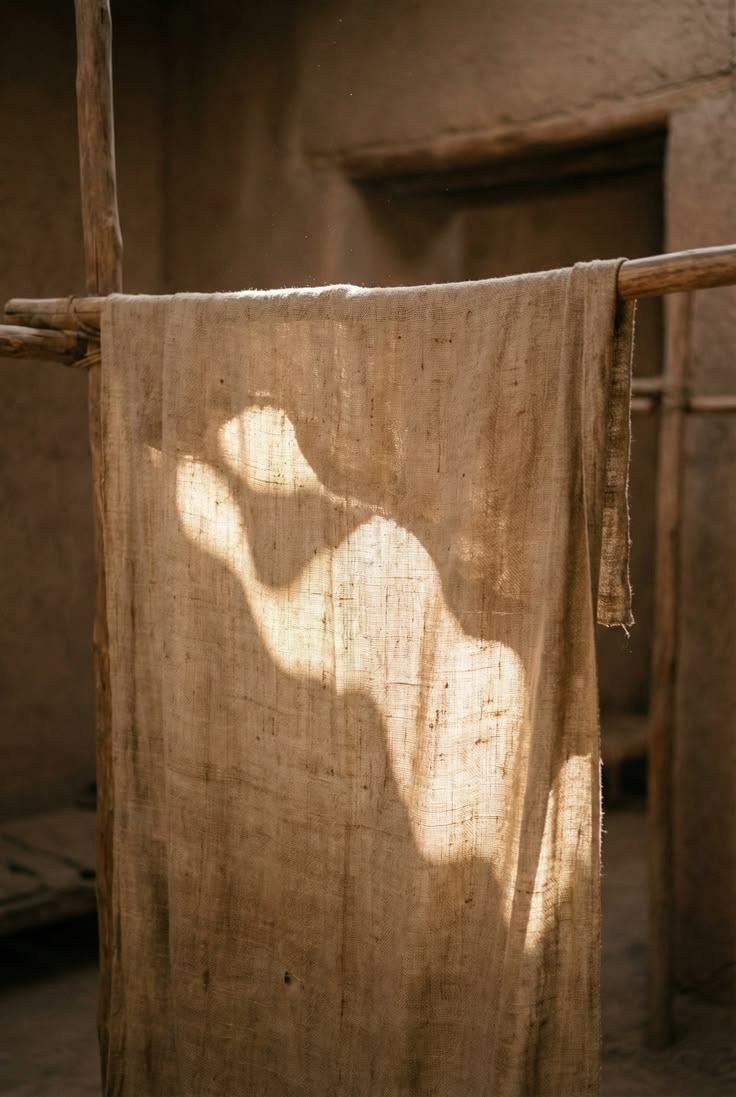
Light has colour temperature, direction, and intensity, and all three change through the day. At dawn, outdoor light is relatively warm and low-angled, entering rooms horizontally and casting long shadows across any textured surface. By mid-morning, the light has moved higher and cooled noticeably. At noon in a south-facing room, light falls near-vertically and bleaches colour. By late afternoon, the angle drops again, and by evening, artificial light sources take over entirely, each with its own spectral character.
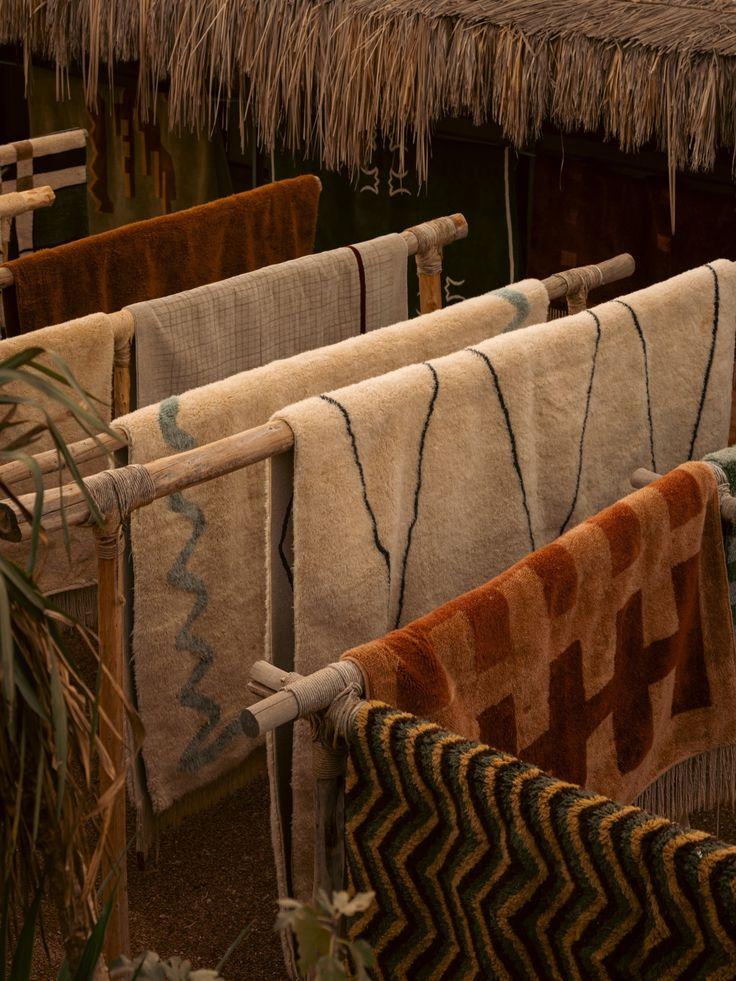
A hand-knotted rug is acutely sensitive to all of these shifts. Unlike a flat-printed surface, pile has depth. Each tuft catches light on one face and casts a shadow on the other, which means that the perceived colour of the rug is partly the fibre colour and partly the pattern of micro-shadows within the pile. As the light angle changes, so does the shadow pattern, and therefore the apparent depth and saturation of the colour.
This is why designers often say that a rug looks completely different in the showroom compared to the installed room. It does. The room's orientation, the number and size of windows, the height of the ceiling, and the presence of reflective or absorptive surfaces all condition the light that eventually reaches the rug. Request a sample before committing to a full rug, and observe it in your specific room across different times of day.
The Direction of Pile and Its Effect on Colour Shift
In a hand-knotted or hand-tufted cut-pile rug, the individual tufts are sheared at the top but lean in a direction determined by the finishing process. When you view the rug in the direction of pile lean, the tufts face you and the colour appears lighter and more uniform. When you view against the lean, you see the shadow side of each tuft, and the colour appears significantly darker and richer.
This effect is strongest in single-colour or tone-on-tone rugs. It is partially masked in heavily patterned rugs where the eye reads the pattern before it reads the pile direction. For large open-plan installations or rugs in corridors where visitors approach from a specific direction, the pile direction should be oriented so that the rug appears in its richest state as you enter the space, not as you leave it.
Handwoven flatweaves, such as kilims and dhurries, do not have pile and therefore do not shift in the same way. Their colour shift with changing light is subtler, driven primarily by yarn sheen and dye depth rather than structural shadow.
Morning Light, North Light, and the Challenge of Cool Rooms
North-facing rooms receive no direct sunlight at any point of day. The light is indirect, consistent, and cool in colour temperature. Artists have long favoured north light for its evenness, but in residential and hospitality interiors, this coolness can make a space feel grey and unwelcoming unless deliberately countered.
Warm-toned rugs in terracotta, gold, rust, and undyed camel wool perform particularly well in north-facing rooms. They introduce warmth that the light itself does not supply. Conversely, rugs in blue, grey, or cool sage can amplify the coldness of a north room and make the space feel colder than its actual temperature.
East-facing rooms receive warm early morning light that fades by mid-morning. Rugs in these rooms experience a brief daily period of intense warm illumination followed by hours of flat indirect light. Colours that glow in morning warmth, such as deep amber and dusty rose, can make east rooms feel particularly welcoming at breakfast, provided the designer accounts for the flatness of the light later in the day.
Artificial Light: Tungsten, LED, and How They Alter Dyes
Evening light in most homes and hospitality spaces today comes from LED sources, which vary considerably in colour temperature and colour rendering index (CRI). A warm white LED at around 2700K renders reds, oranges, and yellows richly but can make blues and greens appear slightly grey or muted. A cool white LED at 4000K or above has the opposite effect, enlivening blues and suppressing warm tones.
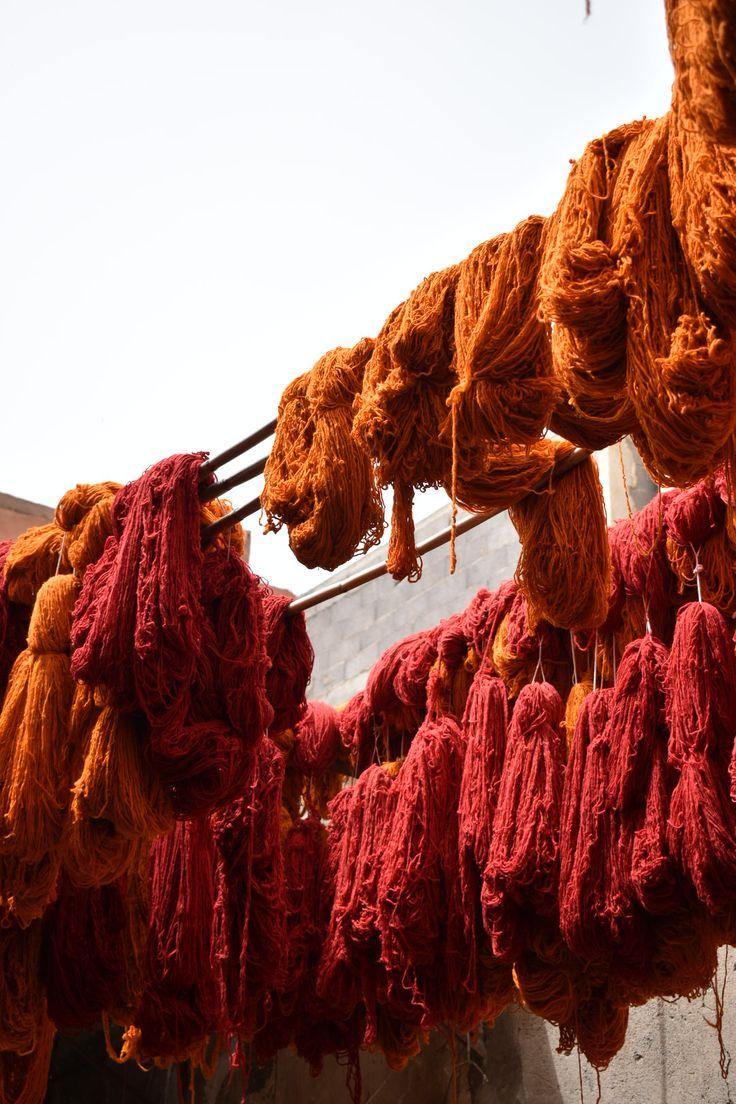
Natural plant-based dyes used in traditional hand-knotted rugs tend to have complex spectral profiles that respond differently to different light sources. An indigo-dyed rug may look brilliant under cool light and slightly flat under tungsten. A madder-red may glow warmly under low-temperature LEDs but appear somewhat orange under a high-CRI cool source. These are not flaws but natural properties of organic colorants, and understanding them allows the designer to specify lighting that flatters the rug's dye palette.
When in doubt, specify high-CRI lighting (above 90) at a colour temperature matched to the intended mood of the space. High-CRI sources render all colours closer to their appearance in natural daylight, which reduces the risk of unexpected dye shifts under artificial light.
Practical Testing: How to Assess a Rug in Real Light
The most reliable way to assess how a rug will perform in a specific room is to observe a sample or small piece in that room across a full day. Place the sample flat on the floor in its intended position in the morning, and check it at mid-morning, afternoon, and evening under the room's usual artificial lighting. Photograph it at each stage with the white balance set to automatic, which will record how the colour reads to a camera sensor calibrated to the ambient light.
If a sample programme is not available, obtain the largest available sample and visit the showroom or warehouse at different times if possible. Many professional designers take samples to the site before committing, which is a practice that clients often underestimate in its value.
Our personal curation service includes site visits for significant commissions, allowing our team to assess natural light conditions and recommend dye palettes and pile types suited to the room's specific light behaviour. For trade clients specifying multiple rooms, this service can be coordinated across a project.
Seasonal Light and Long-Term Colour Perception
Beyond the daily cycle, seasonal changes in sun angle and day length alter how a rug is perceived over the course of a year. In winter, the sun is low even at noon in temperate latitudes, which means long, directional light enters rooms more deeply. In summer, high sun angles mean that light penetrates less far into a room and falls more vertically.
This seasonal variation affects fading risk as well as appearance. Rooms that receive strong direct summer light through unshaded south or west windows expose the rug to significant ultraviolet energy during the months of peak sun. Natural dyes, though often considered more sensitive to UV than synthetic dyes, vary considerably by source and mordant. Some natural dyes are remarkably stable; others, particularly those in the yellow family, can shift noticeably over years of direct sun exposure.
Use window films, lined curtains, or blinds to manage direct sun exposure on fine rugs. Rotate rugs that receive uneven light annually, so that fading is distributed evenly across the surface rather than concentrated in one corner. Our care and cleaning section covers long-term light management in more detail.
Frequently asked
Why does my rug look darker when I view it from one end compared to the other?
This is the pile direction effect. Cut pile leans in one direction, and viewing with the lean shows lighter colour while viewing against it shows darker, richer colour. Neither view is wrong; it is an inherent property of pile rugs.
What colour temperature of artificial light is best for showing a rug well?
Warm white light at approximately 2700K to 3000K generally flatters warm-toned wool rugs. High-CRI sources above 90 render colour most accurately. Avoid fluorescent sources with low CRI, which can make natural dyes appear flat.
Does natural light cause handmade rugs to fade faster than artificial light?
Ultraviolet light in direct sunlight is the primary cause of dye fading. Artificial sources vary in UV output; most modern LEDs emit very little UV. Manage direct sun exposure with window treatments, especially in south and west-facing rooms.
How can I test a rug colour before purchasing for a specific room?
Request a sample through our sample programme and observe it in your room across morning, afternoon, and evening. Photograph it under both natural and artificial light to record how the colour reads across conditions.
By RS, 18 September 2025
More in Interiors and Styling.
Follow the journal in Google Search. Readers who add us as a preferred source see our writing marked in Top Stories and in AI Overviews.