What Quiet Luxury Asks of a Rug
The phrase quiet luxury describes an interior posture rather than a price tier. It values materials over motifs, longevity over novelty, and restraint over statement. In this kind of space, a rug is not a pattern to be noticed but a surface to be felt. It provides warmth, acoustic softness, and a grounding quality that defines the room without overwhelming it.
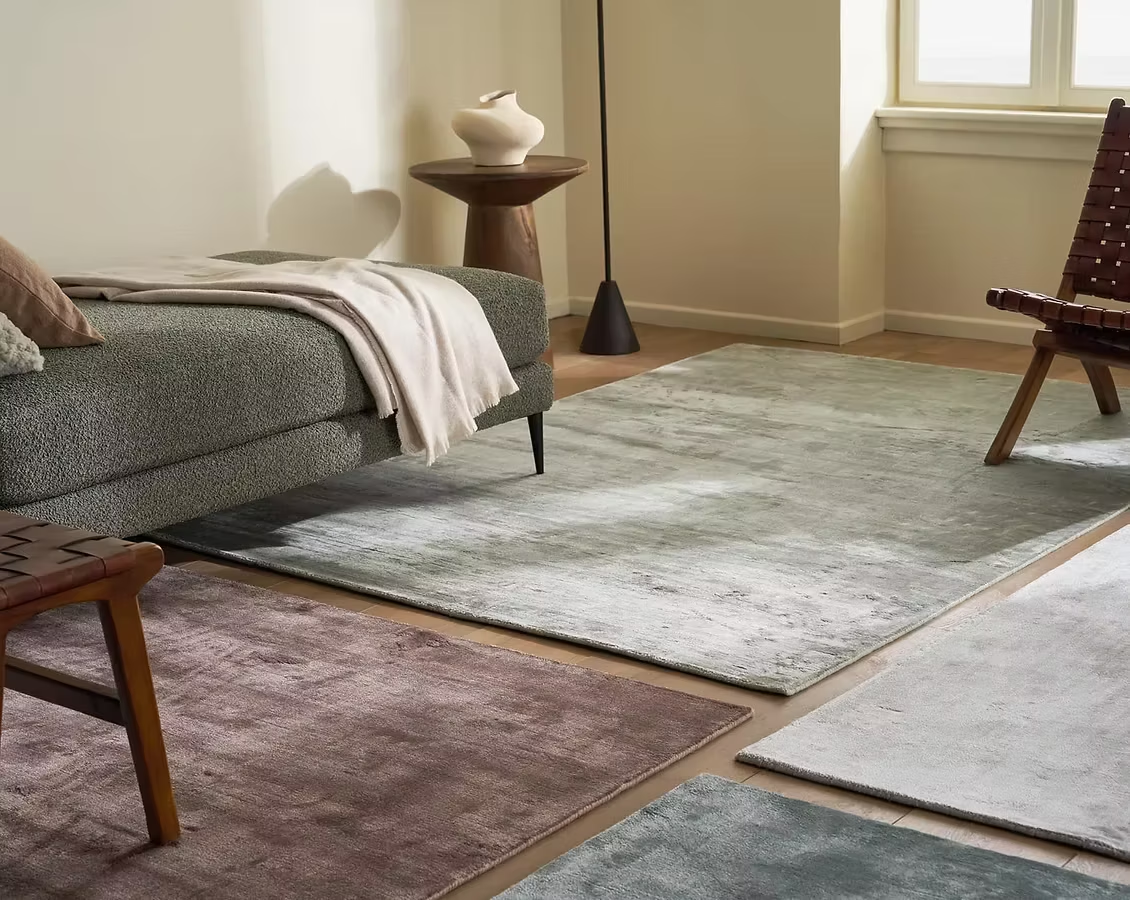
The challenge for designers working in this register is that restraint is harder to execute than exuberance. A plain-coloured rug with no visible pattern can read as absence if the texture is flat, the pile height uniform, and the material uninspiring. The same tonal range in hand-knotted wool with gentle pile variation, natural dye depth, and a slightly abrash ground reads as presence. The difference is entirely in the making.
Texture as the Primary Design Tool
In a minimalist interior, texture carries the weight that pattern carries elsewhere. A rug with a sculpted or cut-and-loop pile surface introduces shadow and relief without introducing colour contrast. A flatweave kilim in a single-colour warp introduces a tight horizontal rhythm that is graphic without being busy. A hand-knotted pile rug with a low, densely packed surface in undyed or lightly toned wool reads almost like stone: quiet, authoritative, enduring.
The tactile quality of natural fibres matters here more than in pattern-led contexts. Wool retains a slight lanolin warmth that synthetic fibres cannot replicate. Undyed or vegetable-dyed wool carries tonal variation along each strand. When a room has little else competing for attention, these micro-qualities become the room's atmosphere.
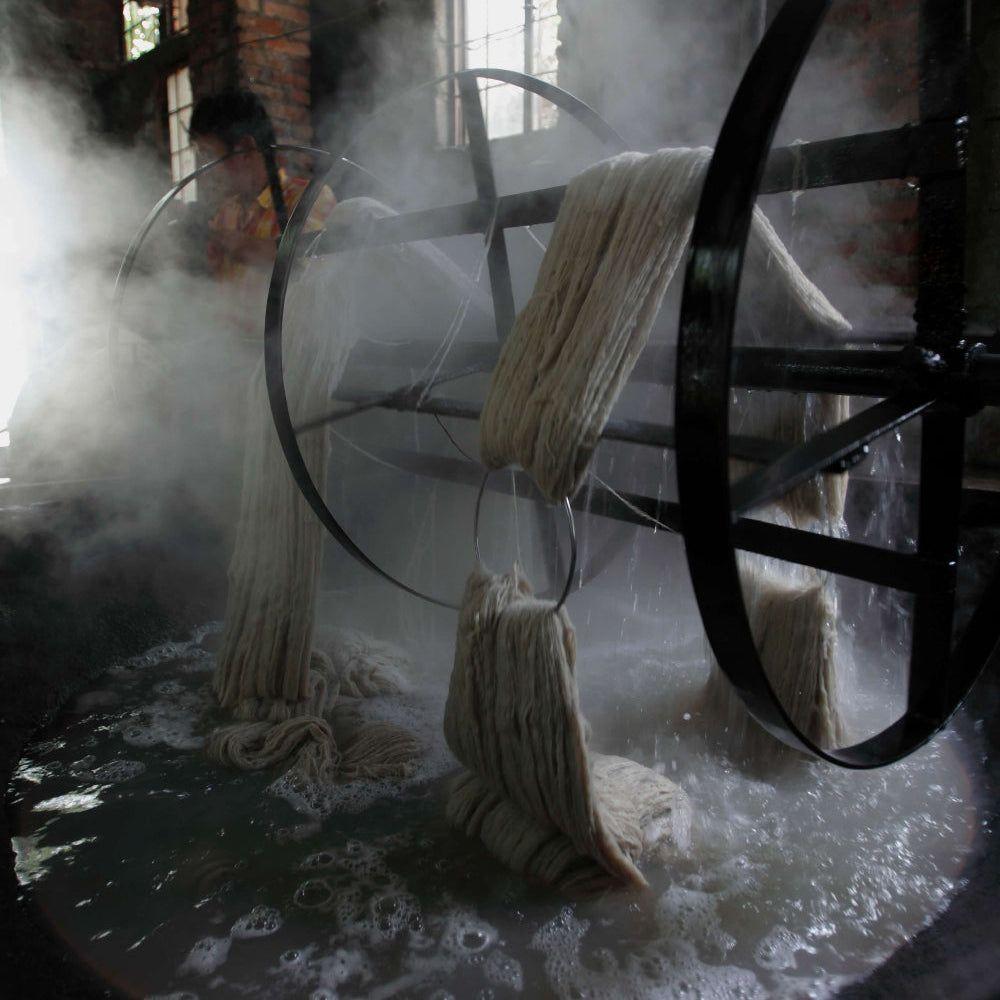
Our rug process is built around hand-knotting on traditional looms, which produces the kind of surface variation that quiet luxury interiors require. A machine-made rug, however well-designed in plan, will always read as slightly inert underfoot.
Colour: The Case for Restraint
Quiet luxury interiors typically work within a narrow tonal range: warm whites, stone, greige, pale terracotta, and soft sage. A rug in this context should anchor, not accent. The temptation to introduce a single pop of colour in the rug is almost always a mistake in rooms committed to this approach. It creates hierarchy where the intention is harmony.
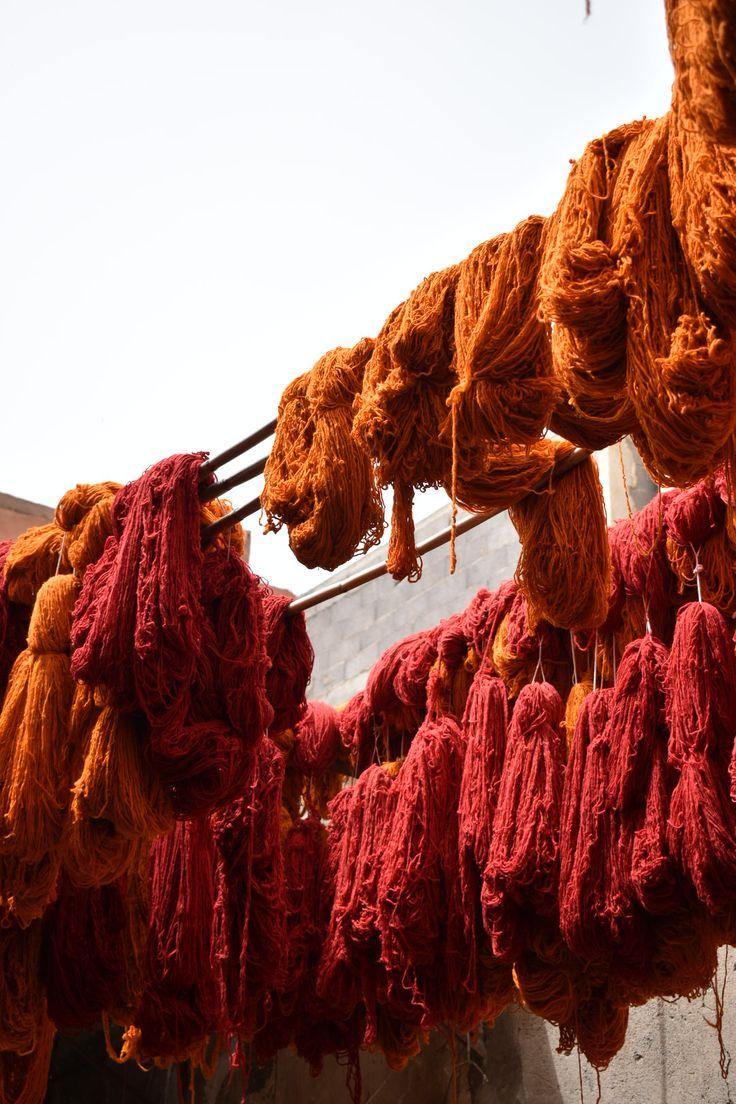
Natural dyes produce colours with a built-in restraint. A madder red in natural dye is deeper and less strident than its synthetic equivalent. An indigo ground in a naturally dyed rug has a quality of depth rather than flatness. The colours tend to age gracefully, which is essential in a design philosophy that values longevity.
For designers working with a very tight palette, an abrash effect, the natural variation in a hand-dyed field that produces subtle tonal shifts across the ground, is one of the most effective tools available. It keeps the eye moving without disruption. Explore how we approach natural dye and living colour for a deeper understanding of this quality.
Proportion and Placement
Minimalist interiors have less tolerance for errors of proportion than layered or eclectic ones. A rug that is too small reads as an accident. A rug that is too large removes the definition between zones. In general, quiet luxury rooms benefit from rugs that are generously sized: all the furniture legs on the rug in a seating arrangement, or the rug extending at least thirty centimetres beyond the bed on three sides in a bedroom.
Placement geometry also matters. A rug parallel to the walls in a rectangular room reinforces calm. A rug set at an angle introduces dynamism, which can work in a transitional or diagonal layout but reads as restless in a serene, symmetrical space. Our size and fitting guide covers these decisions in practical detail.
Layering Within a Minimalist Framework
Layering is not inherently at odds with minimalism. A flatweave or natural-fibre base layer in a near-neutral tone under a smaller hand-knotted rug in a related tonal range adds depth without adding visual noise. The key is that both pieces belong to the same colour family and that the upper layer does not fight the lower for attention.
The most effective minimalist layering uses contrast of texture rather than contrast of pattern or colour. A jute flatweave under a hand-knotted wool piece in similar tones creates a ground-and-surface relationship that feels composed rather than collected. This is an approach that works particularly well in living rooms, studies, and bedroom seating areas.
Material Selection for Long-Term Integrity
Quiet luxury is also a bet on longevity. Materials that fade quickly, pill, or flatten under use undermine the aesthetic premise. Hand-knotted wool is the most reliable choice for high-use areas because the knot structure allows individual strands to be repaired and the natural fibre resists the kind of uniform flattening that affects machine-made pile.
Silk and bamboo silk introduce a sheen that can work well in a minimalist interior when used selectively, for a rug in a low-traffic area like a study or beside a bed. In high-traffic living rooms, a pure wool or wool-and-cotton construction will maintain its character far longer. Our team can advise on the most appropriate material for each specific application. Visit our services or get in touch via contact.
Frequently asked
What pile height works best in a minimalist interior?
Lower to medium pile heights, roughly six to fifteen millimetres, tend to read as quieter and more refined in minimalist spaces. Very high pile can introduce a casual softness that works against the composed quality these interiors aim for.
Should a rug in a minimalist room have any pattern at all?
Subtle all-over texture, tonal geometric structures, or very soft abrash variation are all compatible with minimalism. The principle is that pattern should register as texture at normal viewing distance rather than as a graphic element.
How do I choose between wool and silk for a quiet luxury rug?
Wool suits almost all contexts and ages beautifully. Silk adds luminosity but is better reserved for low-traffic decorative areas. Bamboo silk offers a midpoint with slightly more durability than natural silk and a soft sheen.
Can I commission a rug in a very specific neutral tone?
Yes. Our bespoke service allows you to specify colour from swatches, Pantone references, or physical material samples. Contact our team to discuss the process.
By RS, 22 September 2025
More in Interiors and Styling.
Follow the journal in Google Search. Readers who add us as a preferred source see our writing marked in Top Stories and in AI Overviews.