What Natural-Fibre Rugs Actually Are
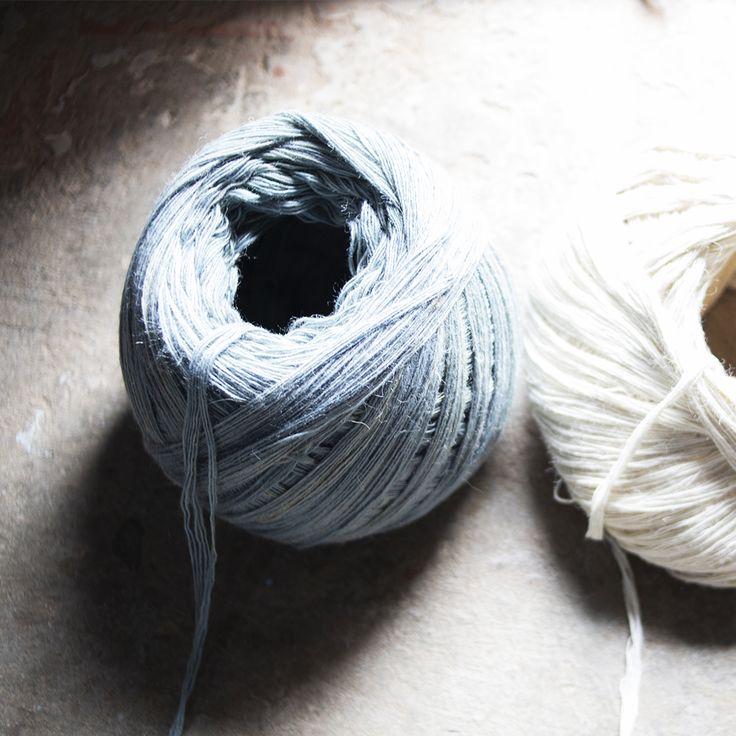
The term natural-fibre rug covers several distinct plant-based materials that are often grouped together but have quite different properties. Jute is a soft, golden-hued bast fibre grown primarily in Bangladesh and India, woven into rugs that are characteristically matte, warm in tone, and moderately textured. Sisal is a harder, coarser fibre derived from agave leaves, grown primarily in East Africa and Brazil, with a more pronounced texture and considerably greater durability. Seagrass, coir, and abaca are also grouped in this category, each with its own specific characteristics.
What these fibres share is their plant-based origin and the relatively minimal processing required to take them from harvest to finished rug. They do not require the mordanting and dyeing that wool rugs typically undergo, and their natural colour ranges from pale straw to warm amber to dark green-brown, depending on the fibre and the weave structure. This minimal processing is part of their sustainability appeal.
However, minimal processing also means fewer protective treatments. Plant fibres do not carry the natural oils that wool contains, and those oils are one reason why wool rugs are self-cleaning to a degree, resistant to soiling, and resilient underfoot. Natural-fibre rugs lack this inherent protection. Understanding this distinction is the foundation for making an appropriate specification.
Where Jute and Natural-Fibre Rugs Excel
Natural-fibre rugs perform best in low-traffic areas that are dry and well-ventilated. A bedroom, a study, a formal sitting room that sees moderate use, or a covered outdoor area with good drainage are all environments where jute and sisal can perform well over a number of years.
Their visual quality is genuinely appealing. The warm, earthy tones of jute complement natural material interiors, and the texture of sisal or seagrass provides tactile interest without pattern. In a room where the design intent is textural rather than colourful, a natural-fibre rug can serve as an excellent base layer. Layering a smaller handmade rug over a large natural-fibre base is a common and effective design strategy, and one that delivers the tactile warmth of the base material alongside the colour and craft of the overlay.
From a sustainability perspective, the environmental credentials of plant-based fibres are generally strong. The fibres are renewable, biodegradable, and require relatively low energy to process compared to synthetic alternatives. This makes them a reasonable choice for projects where environmental impact is a primary consideration, provided the limitations are managed through appropriate placement.
Where They Consistently Fail
Moisture is the primary enemy of natural-fibre rugs. Jute is particularly sensitive: it absorbs water readily, is slow to dry, and is prone to mould, mildew, and discolouration if exposed to sustained moisture. A jute rug in a bathroom, a kitchen, a basement, or any room subject to high humidity is likely to deteriorate within a relatively short time. Even a spilled glass of water on a jute rug should be blotted immediately and the rug dried thoroughly.
Sisal is more moisture-resistant than jute but will still deteriorate if regularly exposed to water or installed in high-humidity environments. Seagrass is the most moisture-tolerant of the common natural fibres, which is why it is sometimes used in covered outdoor settings, but it still requires reasonable ventilation and should not be installed where water pooling is a risk.
High-traffic areas present a second limitation. Jute fibres are not especially resilient to heavy foot traffic. The fibres compress and abrade, and the woven structure can begin to break down faster than wool would under comparable use conditions. Sisal is tougher, but even sisal can feel rough underfoot and may show wear patterns in heavily trafficked corridors. For staircases, most natural-fibre rugs are not recommended.
Comfort and Underfoot Quality
Jute is the softest of the common natural fibres and is reasonably comfortable underfoot when woven into a chunky, looped structure. It does not approach the softness of a hand-knotted wool pile, but it is not unpleasant. Sisal, by contrast, can feel quite coarse and scratchy, particularly for bare feet. This is a characteristic that buyers frequently underestimate when selecting sisal based on appearance alone.
The texture of natural-fibre rugs also changes with age and use. Fresh sisal has a certain firmness; over time and with foot traffic, the fibres flatten and the surface can become softer in well-used areas while remaining coarser in less-used areas, creating an uneven feel. Jute tends to develop a slightly fuzzy surface as the fibres break down with use.
Using a quality rug pad beneath any natural-fibre rug improves comfort significantly and also protects the rug's backing from abrasion against hard floors. A flat, breathable pad is preferable to a thick rubber pad, which can trap moisture beneath the rug.
Cleaning and Maintenance Considerations
Natural-fibre rugs cannot be wet-cleaned in the conventional way. Water causes jute to shrink, distort, and potentially stain from tannins released by the wet fibre. Sisal can be spot-cleaned with minimal moisture, but must be dried rapidly. Professional cleaning of natural-fibre rugs requires specialist methods different from those used for wool or synthetic rugs.
Dry methods, such as vacuuming from both sides, are the appropriate routine maintenance. Spills should be blotted immediately with a clean, dry cloth. Never rub a spill on a natural-fibre rug, as this works the liquid deeper into the weave. For stains that cannot be resolved by blotting, a specialist cleaner should be consulted rather than attempting a home wet-clean.
Compare these limitations with the care requirements for a hand-knotted wool rug, which are detailed in our care and cleaning guidance. Wool is more forgiving of moisture, more cleanable after spills, and generally more durable under the cleaning conditions that a long-life rug will eventually require.
How Natural-Fibre Rugs Compare to Handmade Wool Alternatives
The comparison between natural-fibre rugs and hand-knotted wool rugs is not straightforwardly one of quality; it is one of different material characteristics suited to different requirements. A jute rug priced accessibly and installed in a low-traffic bedroom may serve its purpose perfectly for its intended lifespan. A hand-knotted wool rug at a higher price point and installed in the same room will typically outlast it by decades while growing more beautiful with age.
The cost-per-year-of-use calculation often favours wool for rooms where a rug will be in place for a long period. The natural-fibre option may appear less expensive initially, but if it requires replacement within a few years, the total cost may approach or exceed the cost of a quality handmade rug that could have been passed to the next generation.
For buyers weighing these options, our rug materials comparison provides a broader overview of how different fibre and construction types perform across the key decision criteria. Our team is also available through personal curation to discuss which material is most appropriate for a specific room and use case.
Frequently asked
Can a jute rug be used in a kitchen?
We do not recommend jute in kitchens. Kitchens involve regular moisture exposure from cooking, cleaning, and incidental spills. Jute's sensitivity to moisture means it will likely stain, develop mildew, or distort more quickly than in a dry room.
Is sisal safe for homes with pets?
Sisal's coarse texture can be appealing to cats as a scratching surface, which may lead to premature deterioration. For homes with dogs, sisal tolerates moderate foot traffic well but is difficult to clean if accidents occur. Natural-fibre rugs generally do not suit homes with pets who have accidents indoors.
Do natural-fibre rugs work in high-humidity climates?
They are not well suited to high-humidity environments. Persistent high humidity causes jute to absorb ambient moisture, which can lead to mildew and fibre breakdown over time. Sisal and seagrass perform somewhat better but still benefit from ventilated conditions.
Can a jute or sisal rug be repaired if it starts to fray?
Minor fraying at edges can sometimes be addressed by a specialist. However, the woven structure of natural-fibre rugs is more difficult to repair than the knotted structure of a hand-knotted wool rug. Prevention through appropriate placement and care is more effective than repair.
By RS, 10 December 2025
More in Materials and Construction.
Follow the journal in Google Search. Readers who add us as a preferred source see our writing marked in Top Stories and in AI Overviews.