Why Sustainability Matters More Than Ever in Rug Sourcing
The rug industry spans some of the world's most complex supply chains. Wool moves from pastures in New Zealand, Iran, or India to spinners, to dyers, to weavers, to finishers, and eventually to buyers across four continents. At every link in that chain there are decisions with environmental and social consequences. For buyers who care about those consequences, knowing where to look and what to ask is essential.
The growing demand for supply chain transparency has prompted some producers to publish detailed accounts of their sourcing and production practices. Others have sought third-party certification. Still others make claims that are difficult to verify. This guide is intended to help buyers distinguish between substantive practice and surface-level positioning.
What Does Ethical Production Actually Look Like?
Ethical production in the handmade rug sector covers two distinct areas: labour practices and environmental practices. On the labour side, the key variables are weaver income, working conditions, and the absence of child or bonded labour. Credible producers can demonstrate fair wage structures, safe workshop environments, and documented policies on child labour. They do not merely assert these things. They can show them.
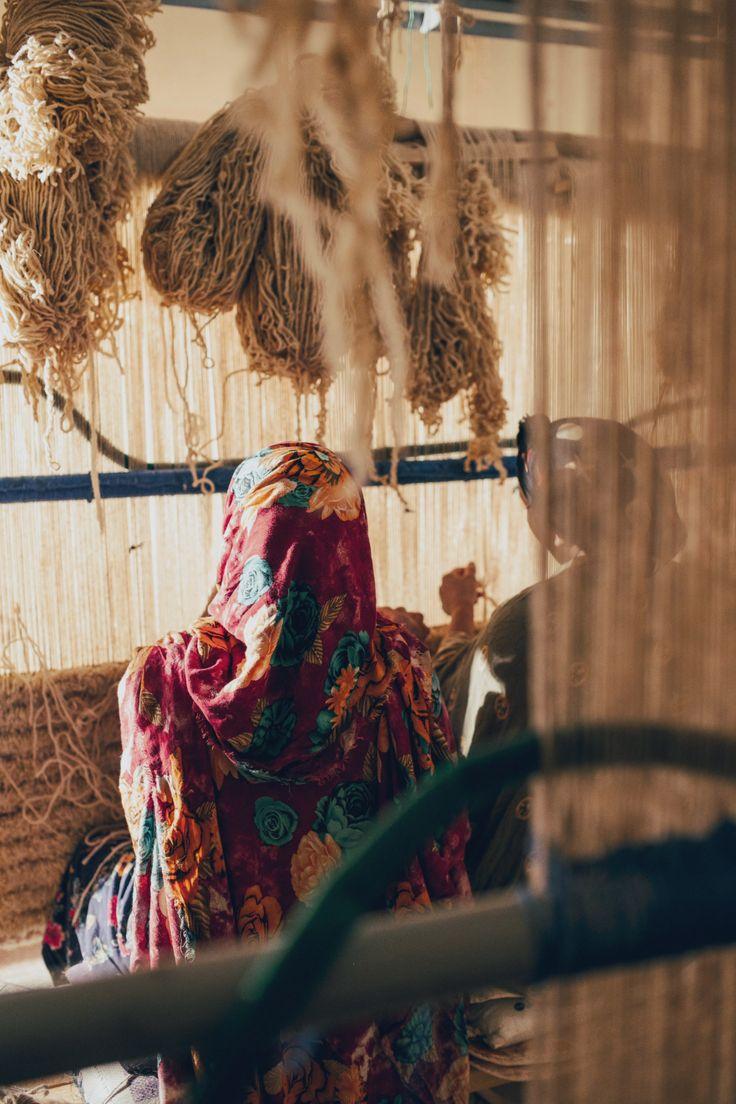
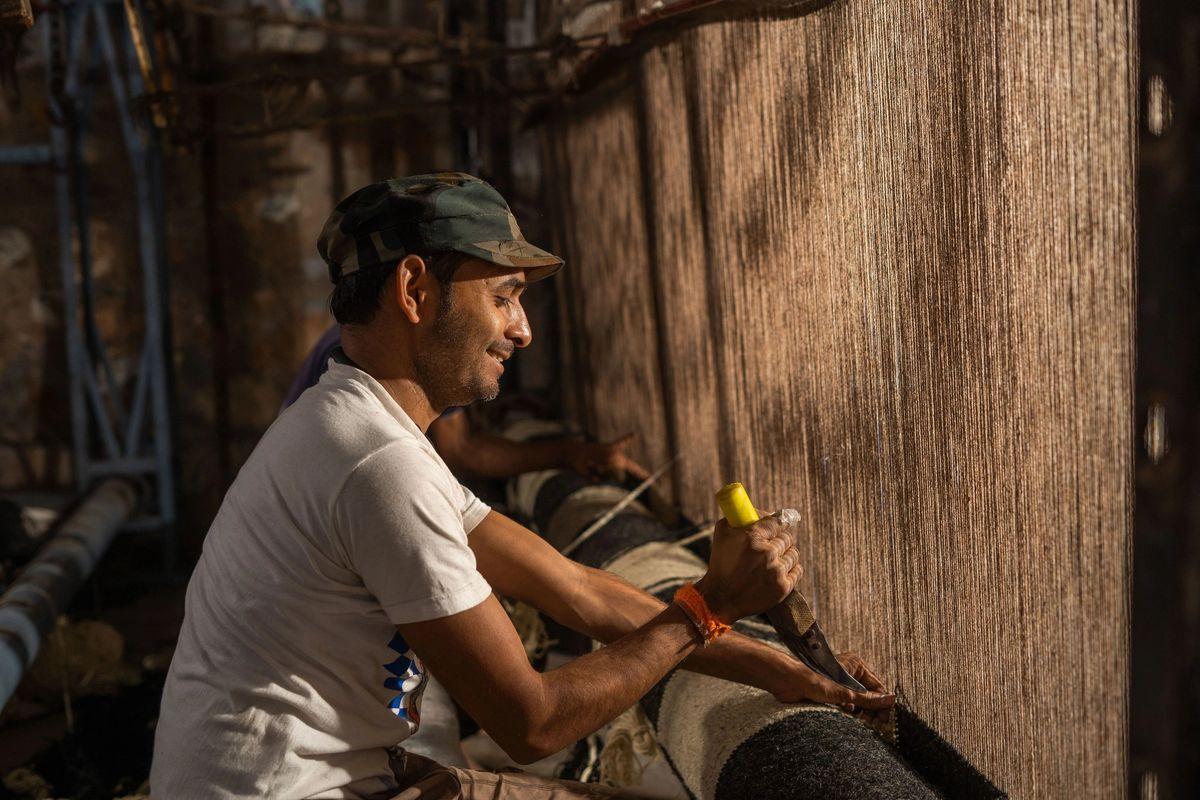
At Raheem & Son, our workshops in Bhadohi are our own. We work directly with a weaving community that has been connected to our family for generations. That directness means we know the individuals who make our rugs, which is a different relationship from one where production is subcontracted through intermediary layers. Buyers asking where their rug was woven should expect a specific answer.
Environmental ethics covers the use of natural versus synthetic dyes, water management in the washing process, and the choice of fibre. Our sustainability page outlines our specific commitments in each of these areas. General claims about being eco-friendly should always be followed up with specific questions about dye chemistry, water treatment, and fibre sourcing.
Natural Fibres and Their Environmental Footprint
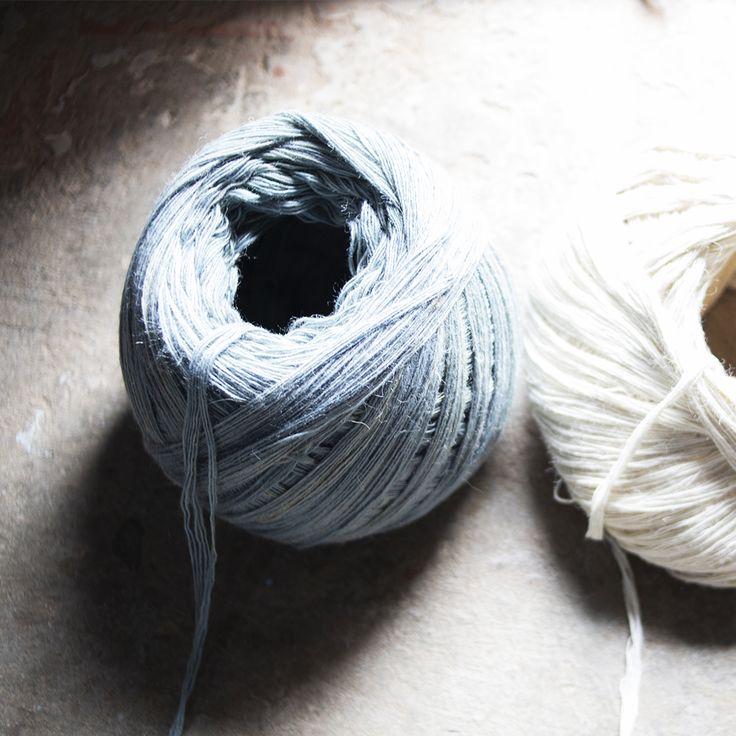
The fibre in a rug is its most significant environmental input. Natural fibres, wool, cotton, jute, and silk, are biodegradable and renewable. Synthetic fibres, polypropylene and nylon, are petroleum-derived and do not biodegrade. When a synthetic rug is washed, it sheds microplastic fibres into the water system. This is a documented and unresolved environmental issue.
Within natural fibres, the environmental footprint still varies. Conventional wool production involves land use, methane emissions from livestock, and chemicals in the scouring and dyeing process. Organic wool, from certified flocks, avoids synthetic pesticides and carries better-documented land management practices. Jute is among the lower-impact natural fibres, requiring relatively little water and no pesticides in cultivation.
For buyers sourcing at volume, the aggregate environmental impact of fibre choice is significant. Specifying natural fibres and asking suppliers to document their sourcing is a practical first step. Our rug process section describes how we approach fibre sourcing and the criteria we apply.
Natural Dyes, Synthetic Dyes and What to Ask
Dye chemistry is an area where environmental claims vary widely. Natural dyes, derived from plants and minerals, are generally lower-impact than synthetic alternatives, but they require large volumes of plant material and water, and some mordants (the fixatives that bind dye to fibre) can be problematic if not managed carefully. Alum mordants are low-risk. Heavy metal mordants, including some chromium compounds, are higher-risk and regulated in many markets.
Synthetic dyes, when used with proper wastewater treatment, can be less environmentally damaging than poorly managed natural dye processes. The relevant question is not simply 'natural or synthetic' but rather what wastewater management is in place and what mordants are used. Buyers importing to markets with strict environmental regulations should request documentation of dye processes and wastewater compliance.
Certifications and What They Actually Cover
Several certification schemes exist in the handmade rug sector. GoodWeave is the most widely recognised certification for child-labour-free production, and it involves factory inspection and monitoring. The Rugmark (GoodWeave) label is a credible signal for buyers concerned about labour practices.
OEKO-TEX Standard 100 covers the chemical safety of textiles, certifying that a finished product does not contain harmful substances above threshold levels. This does not cover production processes or labour, but it does provide assurance on chemical safety. GOTS (Global Organic Textile Standard) covers organic fibre and processing across the supply chain but is more commonly found in apparel than rugs.
No single certification covers every dimension of sustainability. Buyers should use certifications as a starting point rather than a complete answer, and supplement them with direct questions to suppliers about labour practices, fibre sourcing, and chemical management.
How to Verify Supplier Claims
The most reliable form of verification is a site visit. For importers and buyers working at scale, visiting the production facility is a standard due diligence step. For individual buyers, this is not always practical, but a supplier who is willing to provide detailed, consistent answers to specific questions about their production process is a better signal than one who offers only vague assurances.
Questions worth asking include: Where specifically is the rug woven? What is the weaver's employment status? How is wastewater from dyeing treated? Can you provide documentation of fibre sourcing? For buyers working through our trade programme, we provide documentation on all of these dimensions as a standard part of our trade relationship. Transparency is a minimum, not a premium.
Frequently asked
What is the most important thing to ask a rug supplier about sustainability?
Ask specifically where the rug was woven and by whom. A supplier who can give you a specific location and describe the working conditions of the weavers is better placed than one who offers general sustainability language. Follow up with questions about dye chemistry and fibre sourcing.
Are natural dyes always more sustainable than synthetic dyes?
Not automatically. Natural dyes require large volumes of plant material, water, and mordants, some of which can be harmful if improperly managed. Synthetic dyes with proper wastewater treatment can be less damaging than poorly managed natural dye processes. The key question is what wastewater treatment is in place.
How can importers verify labour practices in rug production?
GoodWeave certification provides third-party verification of child-labour-free production and involves regular factory inspections. Site visits are the most direct form of verification. Asking suppliers for specific, documented answers to labour questions, rather than general assurances, is a practical starting point.
By RS, 2 October 2025
More in Heritage and Sustainability.
Follow the journal in Google Search. Readers who add us as a preferred source see our writing marked in Top Stories and in AI Overviews.