Why Natural Fibre Rugs Have Moved to the Centre of the Market
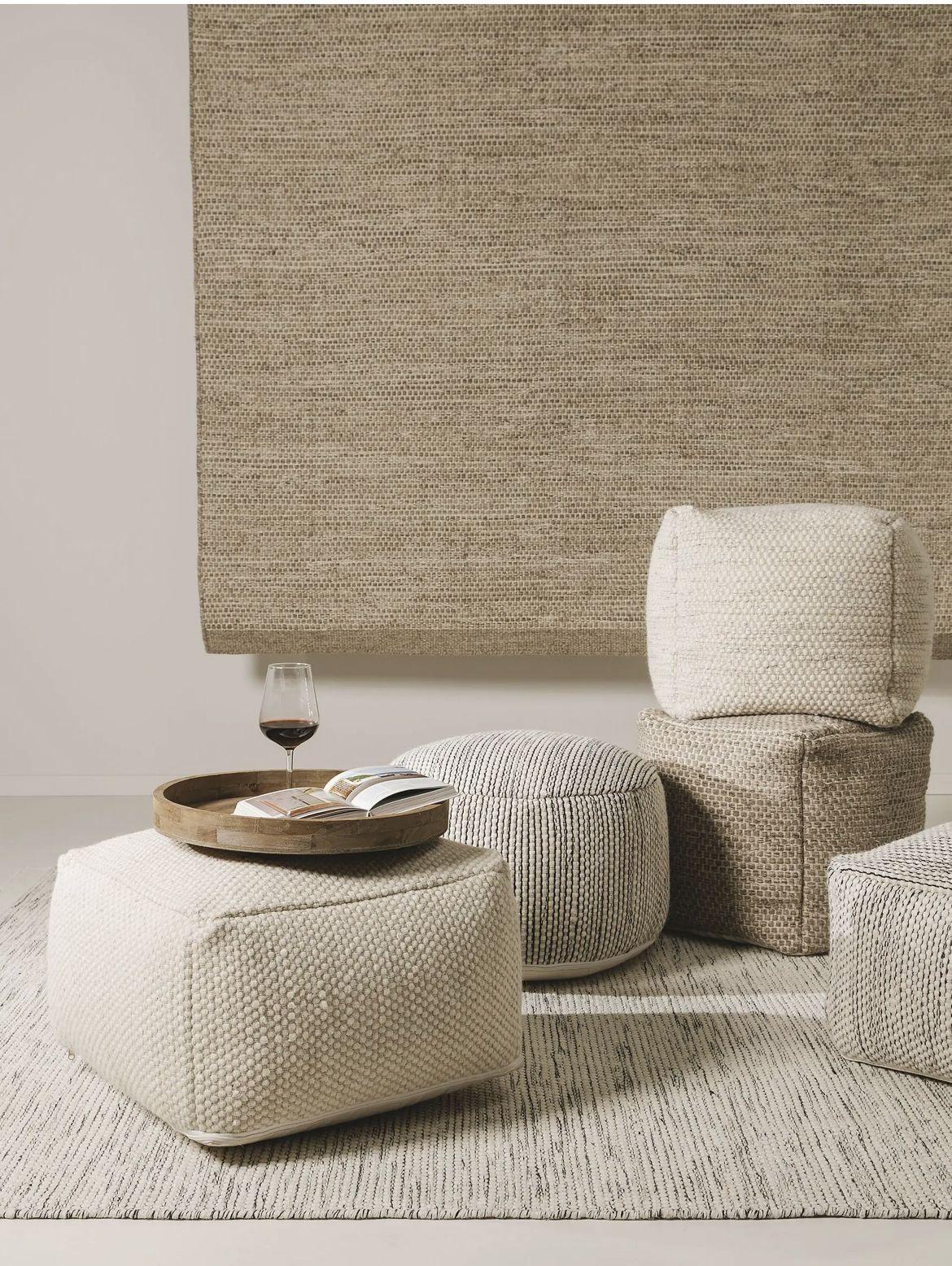
Natural fibre rugs, once considered a niche or budget-driven category, now occupy a central position in residential and commercial interiors. The shift is partly aesthetic: the warm, textural, undyed quality of jute, sisal, and seagrass provides a neutral counterweight to the colour and pattern of upholstery, wallcovering, and art. It is also partly driven by the broader movement toward materials with a legible provenance and a lower environmental footprint. A jute rug grown in the floodplains of West Bengal and woven in Bhadohi carries a material story that resonates with buyers who want to understand what their interiors are made from.
Browse our collections and you will see natural fibre options running alongside hand-knotted wool and silk. The category has matured: natural fibre rugs are no longer limited to plain weave in a single tone but are available in a range of construction techniques, pattern treatments, and blended specifications that substantially expand the design possibilities. Understanding the individual fibres and what they bring to a finished rug is the foundation of a good specification.
Jute: Properties, Limitations, and Best Applications
Jute is one of the most widely grown natural fibres in the world, cultivated primarily in Bangladesh and the Indian states of West Bengal and Bihar. Its fibres are long, soft, and lustrous relative to other plant-based textiles, with a warm golden-brown tone in their natural state. Jute is highly absorbent, biodegradable, and among the most cost-effective natural fibres available in quantity, which makes it a practical base material for a wide range of rug products.
The principal limitation of jute in floor coverings is its susceptibility to moisture. Jute fibres absorb water readily and can rot if the material remains damp for extended periods. This means that jute rugs are poorly suited to kitchens, bathrooms, covered outdoor areas with condensation, or any environment with high ambient humidity. In dry domestic interiors, a well-made jute rug in a low-traffic to medium-traffic area can perform well for several years. In high-traffic or moisture-exposed environments, the buyer should be clearly informed of the limitations before purchase.
Jute's softness relative to sisal makes it more comfortable underfoot in bare-foot domestic settings, but also more prone to surface abrasion under sustained foot traffic. The fibre is most durable in its thicker, more tightly woven forms. Fine-gauge jute weaves produce a refined surface that looks excellent but should be positioned in areas where traffic is light and concentrated foot pressure is unlikely.
Sisal and Seagrass: The Harder, More Resilient Alternatives
Sisal is derived from the leaves of the agave plant, primarily grown in East Africa and Brazil. It is harder, stiffer, and considerably more resilient than jute, with a coarser surface texture that some buyers find less comfortable underfoot but which wears exceptionally well under sustained traffic. Sisal is also less absorbent than jute, which gives it better moisture resistance, though it is still not appropriate for wet environments.
Seagrass is harvested from aquatic plants grown in paddy-like fields in China and Southeast Asia. It is the most moisture-resistant of the common natural fibres used in rugs, naturally waxy in texture, and almost non-porous. Seagrass rugs are stain-resistant for the same reason: liquid beads on the surface rather than absorbing into the fibre. The visual character of seagrass is distinctive: a tight, patterned weave in subtle greens and tones that no dyed fibre replicates. Its very low dye uptake means it is almost always used in its natural colour.
Both sisal and seagrass produce firmer, less forgiving surfaces than jute or wool. Specifiers who want natural fibre in a high-traffic or commercial setting, where durability and cleanability are priorities over tactile softness, should consider these fibres. For residential use, sisal is often blended with wool or cotton to improve the underfoot experience while retaining its durability characteristics.
Blended Natural Fibre Rugs: Getting the Best of Each Material
Blended natural fibre rugs, combining jute with wool, cotton, or synthetic reinforcement, have become the dominant format in retail ranges. The blend addresses the principal weaknesses of pure jute: a wool warp or weft reinforces the structure against abrasion and provides the stretch resilience that pure jute lacks; cotton blending can improve dye uptake for those who want colour beyond the natural jute palette; and some manufacturers introduce a small proportion of synthetic yarn for additional dimensional stability.
When evaluating a blended natural fibre rug, confirm the fibre proportion. A rug described as a jute-wool blend could range from 80 percent jute to 80 percent wool, with very different performance characteristics at each extreme. Ask for the blend ratio in your specification. Our sustainability page outlines our approach to fibre transparency and how we document material composition in our specifications.
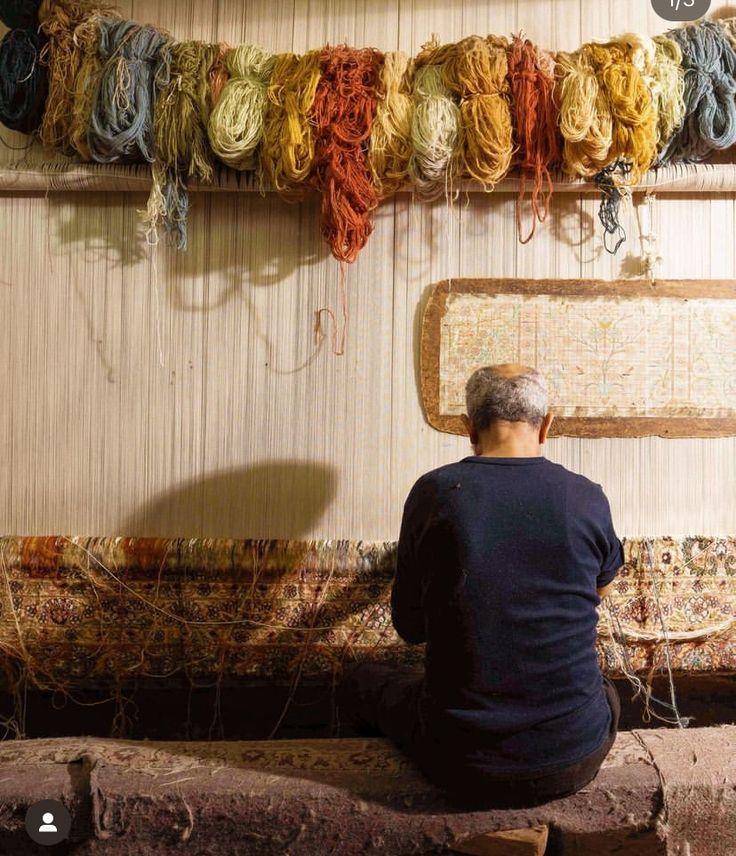
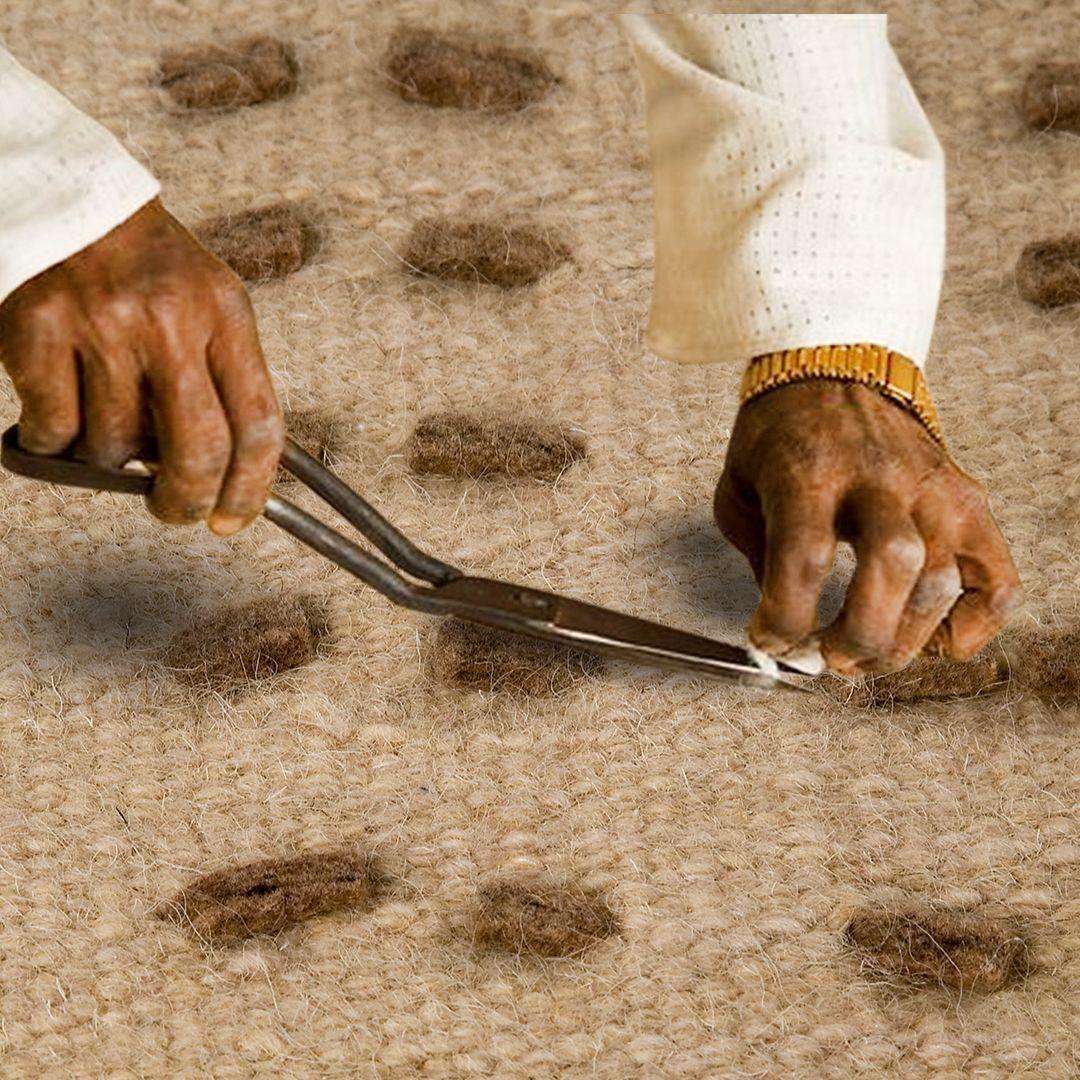
Natural fibre blends also open up construction possibilities beyond plain weave. Chunky braided constructions in mixed jute and recycled cotton are popular in relaxed residential aesthetics. Woven jute with a wool pile inlay produces a hybrid textile that has natural fibre texture on the flat areas and wool softness at the motif zones. These are production techniques that Bhadohi workshops have developed as demand for natural fibre products has grown over the past decade.
Sustainability Credentials of Natural Fibre Rugs
Natural plant fibres have inherent environmental advantages over synthetics: they are renewable, biodegradable at end of life, and in the case of jute, relatively low-input in cultivation (jute requires minimal pesticide or fertiliser compared to cotton). These credentials are genuine, but they need to be placed in context. The environmental benefit of a natural fibre rug depends on the full production chain: how the fibre is dyed, whether chemical finishing agents are used, and the energy profile of the weaving and shipping process all affect the overall footprint.
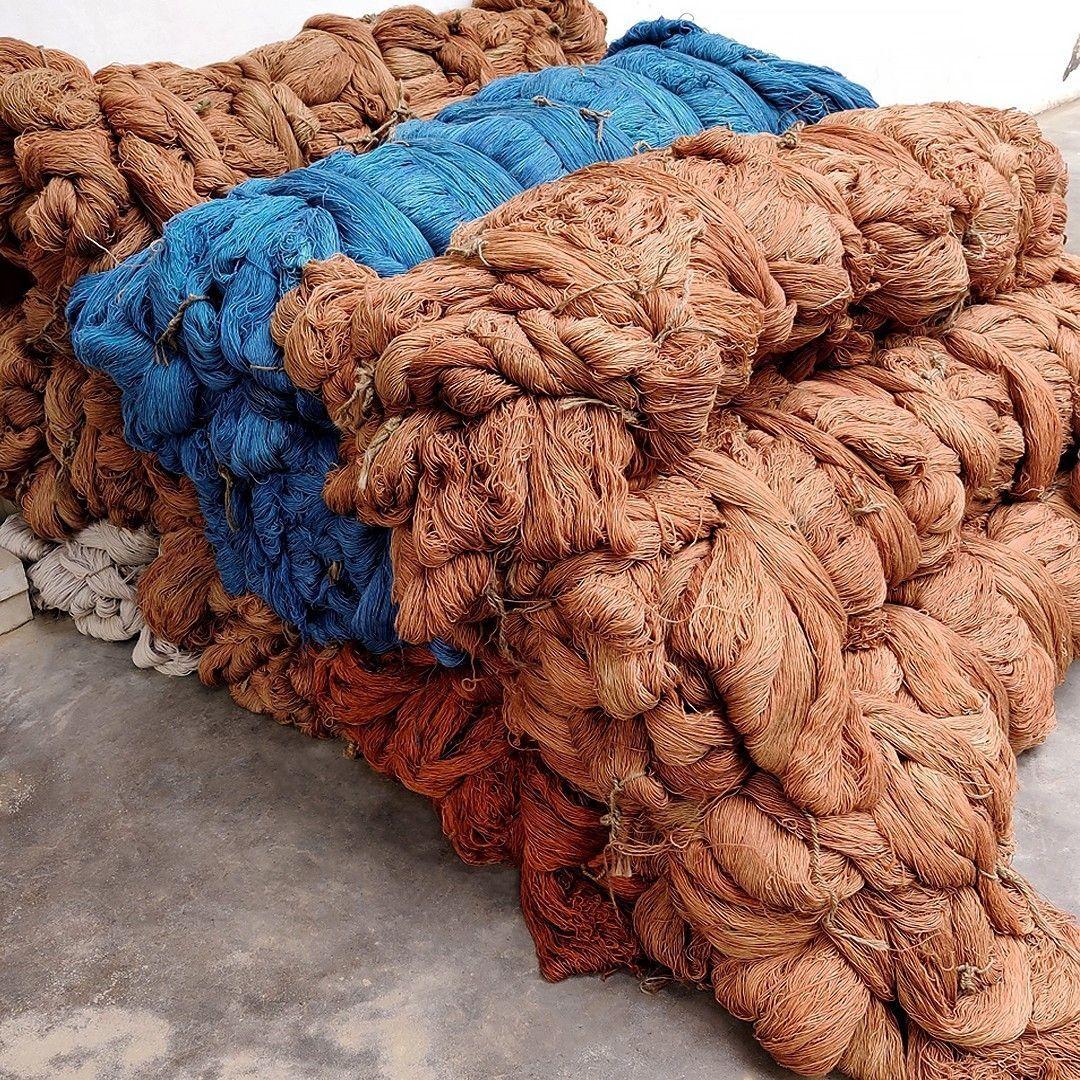
At Raheem and Son, we prefer natural and low-impact dyes for our natural fibre range and are transparent about the processes used. Our CEPC registration supports the traceability and documentation standards that sustainability-conscious buyers require. Buyers who need to demonstrate supply-chain environmental standards to their retail customers or internal procurement committees should discuss documentation requirements with our export team at the briefing stage.
Buying Natural Fibre Rugs in Volume: What to Specify
For wholesale buyers purchasing natural fibre rugs in volume, specification precision is as important as for any other construction type. The key variables to define are: fibre composition and blend ratio, weave construction (plain, twill, braid, or combination), pile inclusion if any, nominal weight in grams per square metre, size ladder, and any finishing treatment such as latex backing or edge binding.
Consistent colour across a production run in natural-tone rugs requires attention to fibre dye lot matching. Even undyed natural fibres vary in tone between harvests and growing regions. For retail ranges where colour consistency matters across multiple deliveries, request that your supplier retain a reference sample from the first production run for matching against subsequent orders.
Our minimum order quantities for natural fibre rugs are flexible, and we do not impose a blanket minimum across all constructions. Contact our export team with your full brief and size ladder and we will provide a production-specific recommendation. Sampling for natural fibre constructions typically runs within the same 25 to 35 day window as our other categories.
Frequently asked
Can jute rugs be used in dining rooms?
Jute rugs can work in dining rooms in dry climates where spill risk is managed carefully. However, because jute absorbs liquid readily and is difficult to clean once stained, they are not the most practical choice for dining environments with young children or frequent entertaining. A wool flatweave or a jute-wool blend offers better resilience in this setting.
How do I clean a jute rug without damaging it?
For routine maintenance, vacuum regularly on both sides using a suction-only head (no beater bar, which can damage the fibres). For spot cleaning, blot with a dry cloth immediately and avoid saturating the area with water. Do not steam-clean or wet-wash jute rugs at home. Professional dry-cleaning is the recommended method for deep cleaning.
Is sisal more durable than jute for high-traffic areas?
Yes. Sisal is considerably more resistant to surface abrasion than jute and performs better in sustained high-traffic settings. Its coarser texture and lower absorbency also make it more practical in areas prone to occasional damp. The trade-off is a firmer, less soft underfoot experience compared to jute.
Are natural fibre rugs available in custom colourways?
Jute and sisal take dye to varying degrees. Jute is more receptive to colour than sisal or seagrass, and custom-dyed jute dhurries and flatweaves are available within our production range. Seagrass is very difficult to dye and is almost exclusively produced in its natural tone.
By RS, 18 June 2026
More in Materials and Construction.
Follow the journal in Google Search. Readers who add us as a preferred source see our writing marked in Top Stories and in AI Overviews.