Why Sustainability in Rug Production Is Genuinely Complex
The word sustainable is applied to handmade rugs with considerable ease and variable rigour. A rug is sometimes described as sustainable because it uses natural fibre, sometimes because it uses natural dye, sometimes because it is handmade rather than machine-made, and sometimes because the manufacturer has obtained a particular certification. Each of these attributes has merit, but none of them alone constitutes responsible manufacturing, and the absence of any one of them does not disqualify a producer from genuinely responsible practice.
Sustainability in a rug manufacturing context spans the full production chain: where and how the raw fibre is grown or raised, how it is processed, dyed, and woven, what conditions weavers work in and how they are compensated, how finishing and washing operations manage water and chemical use, and what happens to the textile at end of life. Buyers who want to make an informed claim about the sustainability of the products they sell need to understand each stage, not just the most visible one. Our sustainability page describes how we approach each of these stages in our own production.
The handmade nature of artisan rug production provides some inherent advantages over industrial textile manufacturing: lower energy input per unit, longer product lifespan, and a production model that sustains traditional craft skills and the communities built around them. These advantages are real. They are also not automatic: a handmade rug produced under exploitative conditions with synthetic petrochemical dyes and unregulated chemical finishing is not a responsible product regardless of its craft credentials.
Fibre Sourcing: Where Sustainability Begins
The fibre used in a rug is the starting point of its environmental and social footprint. Wool from highland-grazed sheep in low-density pastoral systems has a fundamentally different profile from wool produced in intensive farming with high medication and synthetic supplement inputs. Cotton varies even more dramatically: conventional cotton is among the most pesticide-intensive crops in agriculture, while organically certified cotton or recycled cotton presents a substantially lower impact profile.
Plant fibres such as jute carry lower cultivation inputs than cotton in most growing contexts, require minimal chemical intervention, and are biodegradable at end of life. Jute cultivation in West Bengal and Bihar supports large numbers of smallholder farming households whose livelihoods are directly linked to demand for the fibre in export markets. When a buyer chooses a jute rug, the supply-chain benefit extends further than the finished product.
At Raheem and Son, we source wool from traceable highland and regional suppliers, work with jute that is cultivated in the traditional production belt, and avoid synthetic fibre inputs in our natural-fibre ranges wherever possible. Buyers who need fibre traceability documentation for their own standards compliance should raise this requirement at the briefing stage so we can provide the relevant supplier chain information.
Natural and Low-Impact Dyeing in Practice
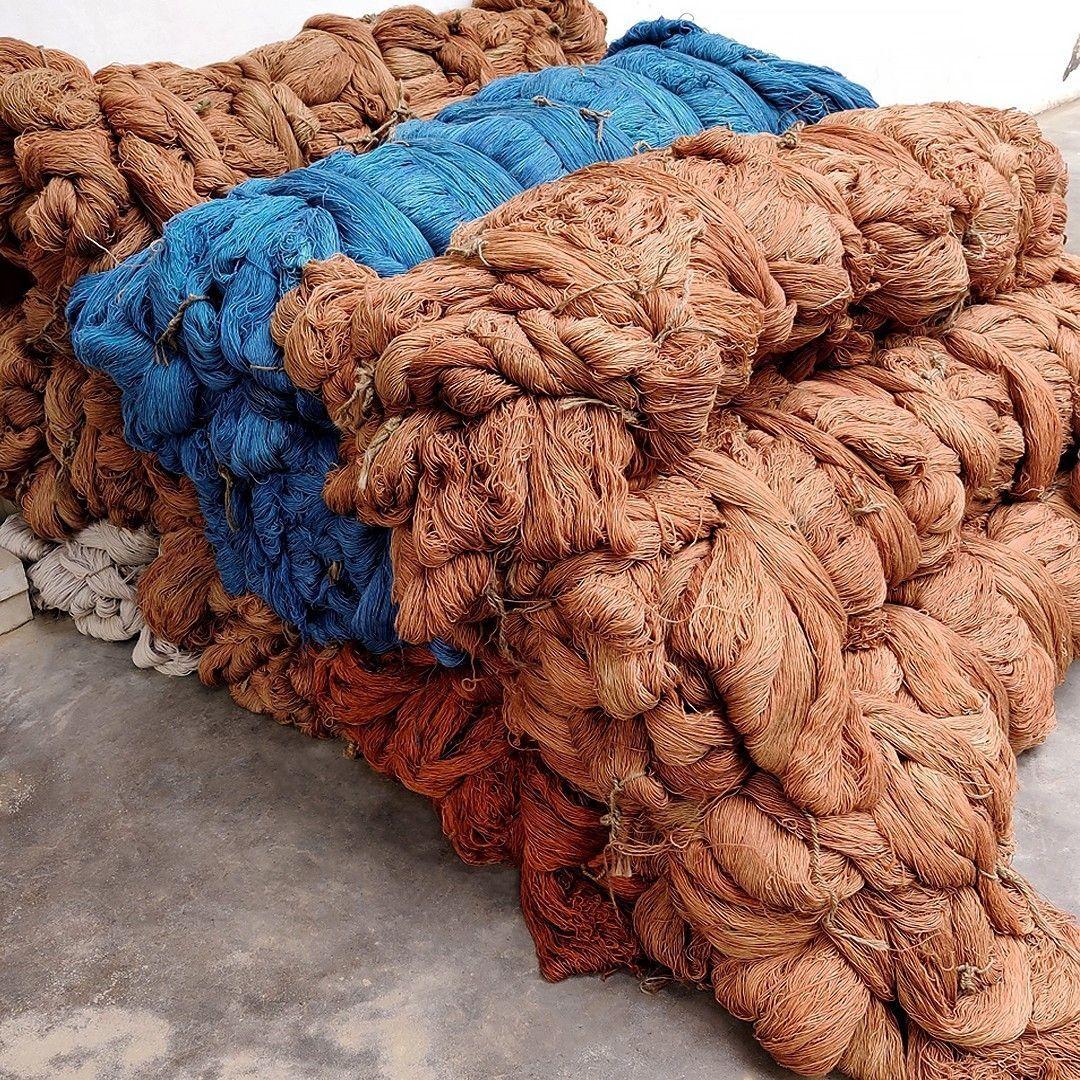
Natural dyeing, the use of plant, mineral, and insect-derived colourants rather than synthetic chemical dyes, is one of the most discussed aspects of sustainable rug production. The conversation is often framed as binary: natural dyes good, synthetic dyes bad. The reality is more layered. Natural dyes from well-managed plant sources have a lower synthetic chemical load, are biodegradable, and often produce colour that develops and mellows beautifully over a rug's lifespan. However, some natural mordants (the compounds used to fix dye to fibre) carry their own environmental concerns, and the water volumes used in natural dye processes are not trivially low.
The best-practice approach combines natural dyestuffs where available, low-impact synthetic dyes where specific colours or fastness requirements make natural dye impractical, and responsible effluent management at the dye house level. Our dye operations use closed-loop water management where possible and avoid heavy-metal mordants that are restricted under international environmental standards. We hold CEPC registration, which requires compliance with export-quality and documentation standards. Our our-standards page gives a more detailed account of our materials and process commitments.
Buyers who market their products as naturally dyed should obtain clear written confirmation from their supplier of exactly which dyes are used in each colourway, as blended natural and synthetic dye processes are common and the boundary is not always transparent. A supplier who cannot or will not provide this breakdown should prompt further scrutiny.
Weaver Welfare: The Social Dimension of Responsible Production
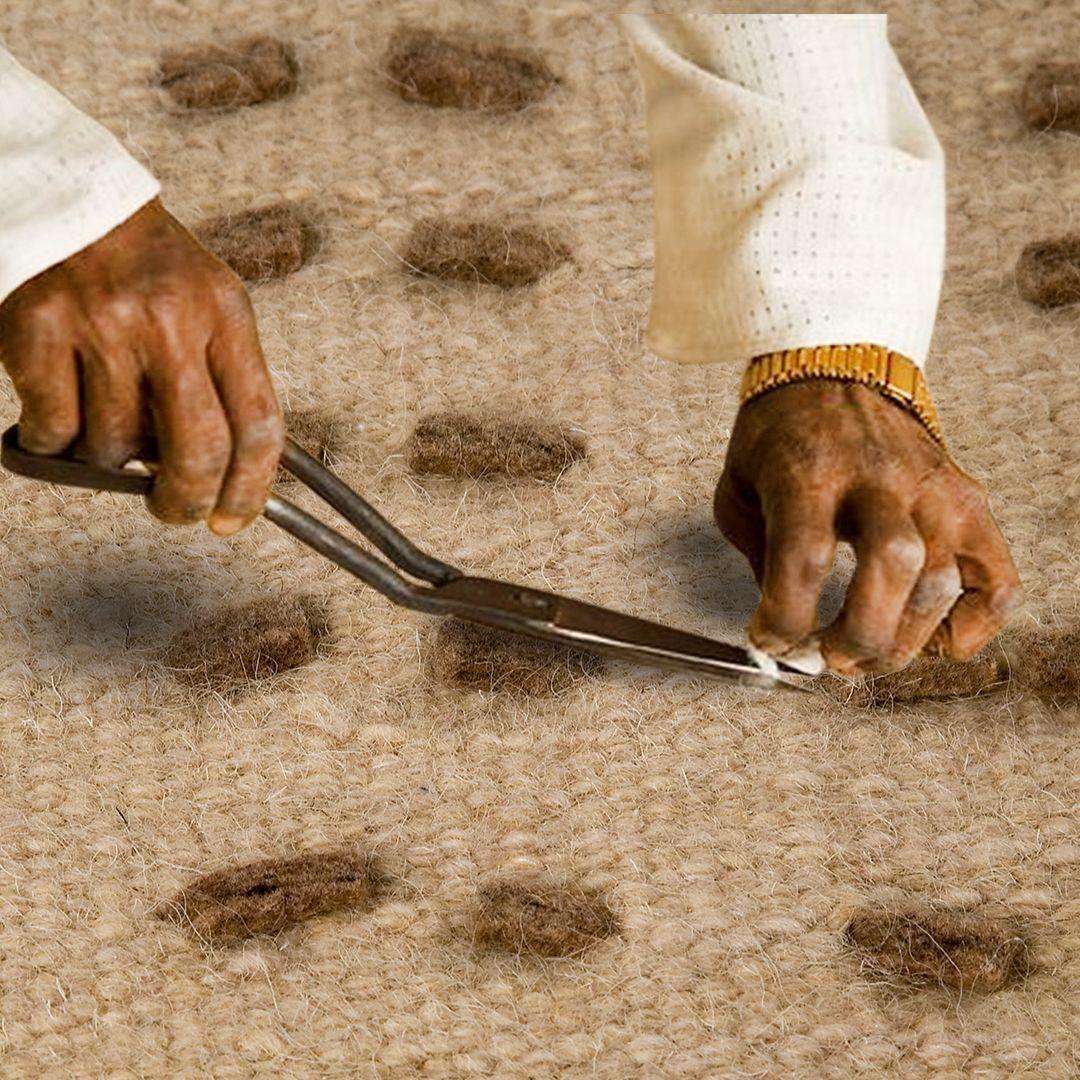
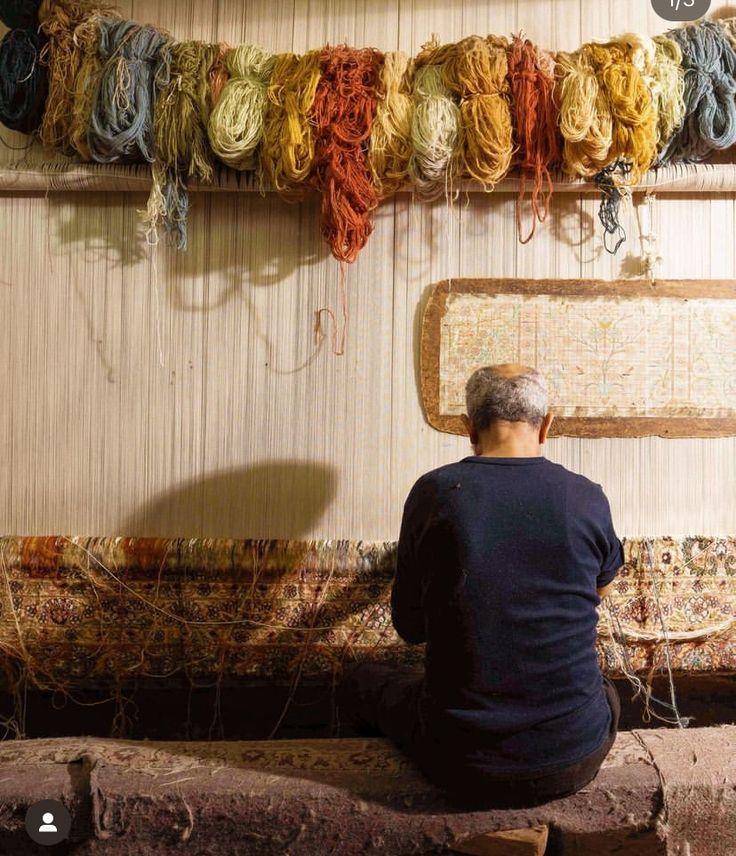
Handmade rug production is labour-intensive by nature, and the welfare of the weavers who perform that labour is central to any honest account of responsible manufacturing. Bhadohi has a long tradition of family-based weaving, where the craft is transmitted across generations and weaving supplements agricultural income for many households. This structure has genuine strengths: it keeps craft skills alive, distributes income broadly across a community, and maintains the social fabric of artisan towns.
It also carries risks that require active management: piece-rate payment structures can create pressure to maximise output at the expense of wellbeing; home-based production can be harder to monitor for working conditions than centralised workshop production; and the involvement of children in weaving, a historical feature of the industry, is an ongoing compliance concern for international buyers.
Raheem and Son employs over 6,000 weavers across our production network, and our standards governance covers wage levels, working conditions, and the explicit prohibition of child labour throughout our supply chain. Buyers who require third-party social compliance audits should discuss the process with our export team. We support independent audit access for accounts where this is a procurement requirement.
Water, Washing, and Finishing: The Hidden Environmental Stage
The washing and finishing stage of rug production is one of the most environmentally significant and least visible parts of the process. Large quantities of water are used to wash, block, and finish handmade rugs, and where chemical finishing agents (antique washes, lustre treatments, or chemical pile softeners) are used, the effluent quality has a direct bearing on the environmental impact of the production.
Responsible finishing operations manage water use, reuse wash water where feasible, and treat effluent before discharge. The use of restricted chemicals (certain azo dyes, formaldehyde-based finish agents, and heavy-metal compounds) is prohibited in rugs intended for export to the European Union, North America, and most developed markets, and compliance is supported by CEPC's export standards framework. Buyers sourcing for these markets should confirm that their supplier is aware of and compliant with the relevant restricted substances lists, most prominently REACH in the EU.
Sun-drying on outdoor drying grounds, a traditional practice in Bhadohi, reduces energy consumption at the finishing stage relative to machine drying. Our production facilities use natural drying wherever the production schedule and climate allow.
End of Life: What Happens to a Handmade Rug
A well-made handmade rug in natural fibre has an enviable end-of-life profile relative to synthetic alternatives. Wool and cotton are biodegradable. A hand-knotted wool rug that has reached the end of its service life can, in many cases, be repaired to extend that life further. Where repair is not viable, the fibres can be repurposed as padding material, composted, or returned to soil without leaving a permanent synthetic residue. This is the complete antithesis of the synthetic-backed, tufted rug that enters landfill intact after a few years of use.
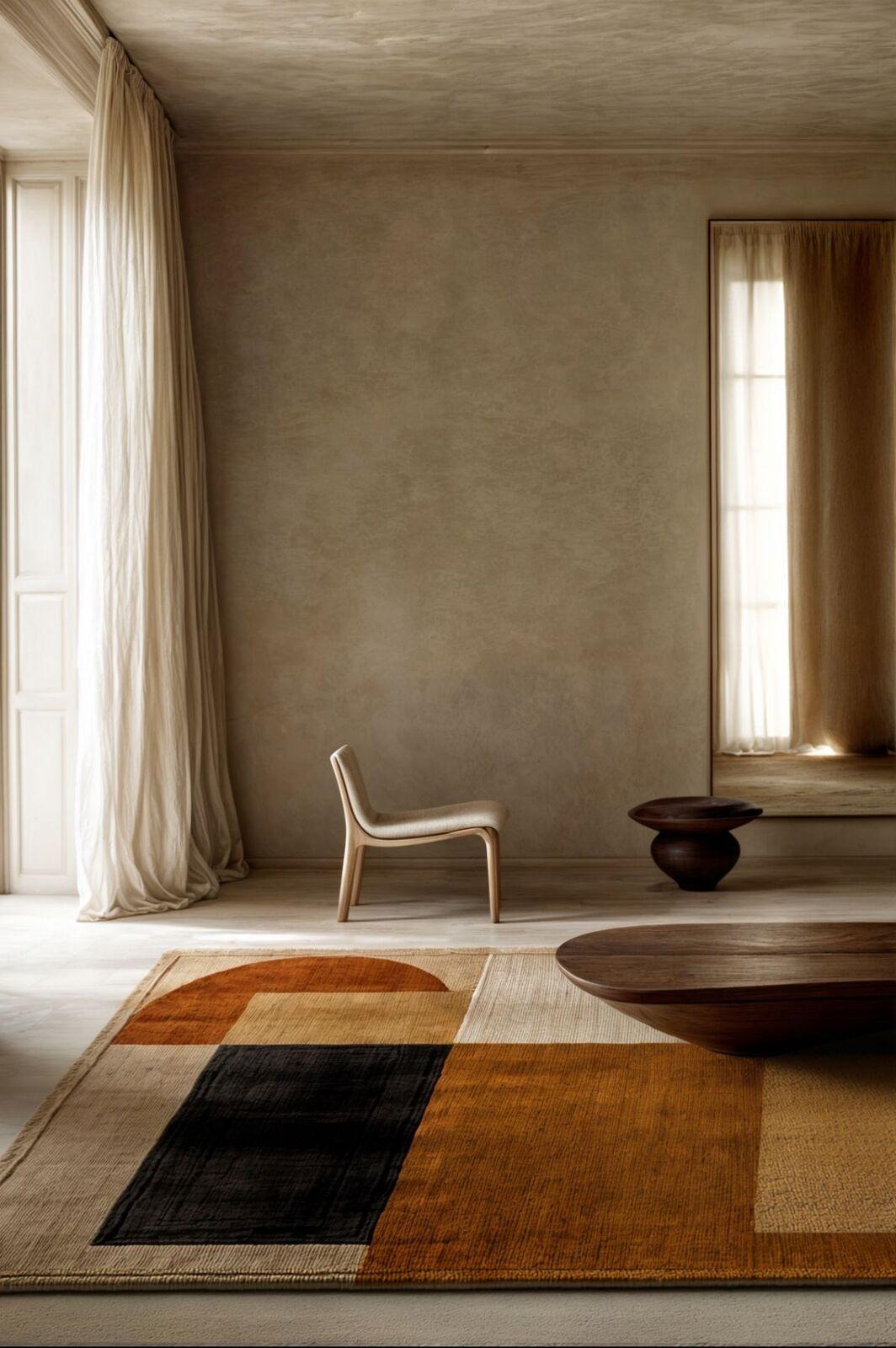
Communicating this end-of-life story to the end consumer is an underused opportunity for retailers. Buyers who position natural-fibre handmade rugs in the context of a circular materials philosophy have a genuinely differentiated marketing story, grounded in the actual material and production characteristics of the product. We are happy to provide product-level material information sheets that retailers can use in consumer-facing communications.
Frequently asked
What does CEPC registration mean for a rug manufacturer?
CEPC stands for Carpet Export Promotion Council, the Indian government-supported body that promotes the export of Indian carpets and rugs. CEPC registration requires manufacturers to meet documentation and quality standards relevant to international export. It provides buyers with a level of institutional oversight and traceability that is not available from unregistered producers.
How can I verify that a supplier's sustainability claims are accurate?
Request written documentation for each specific claim: fibre traceability for natural fibre claims, dye specification sheets for natural dye claims, audit reports for social compliance claims, and chemical compliance certificates for restricted substances claims. Reputable suppliers welcome documentation requests. Vague or unsupported claims should be treated with caution.
Are naturally dyed rugs as colourfast as synthetically dyed ones?
High-quality natural dyes with appropriate mordanting can achieve good colourfastness for light and washing. However, some natural dyes are inherently less lightfast than the best synthetic dyes, and colour development over time (a quality many buyers value) means that natural-dyed rugs will mellow differently from synthetically dyed ones. Discuss colourfastness requirements and test results with your supplier for each specific colourway.
Is handmade rug production better for the environment than machine production?
Handmade production has lower energy input per unit and maintains traditional skills and community livelihoods. Machine production is faster and more dimensionally consistent. The environmental comparison also depends on fibre choice, dye process, and end-of-life scenario. A handmade wool rug in natural dyes that lasts 50 years has a different lifetime footprint from a machine-made synthetic rug replaced every five years.
By RS, 16 June 2026
More in Heritage and Sustainability.
Follow the journal in Google Search. Readers who add us as a preferred source see our writing marked in Top Stories and in AI Overviews.