Setting Realistic Expectations Before Your First Order
Wholesale rug buying from a handmade production source is fundamentally different from purchasing from a distributor's stock. You are not drawing from a warehouse; you are commissioning production. This distinction shapes everything: the timeline, the sampling process, the payment structure, and the relationship you need to build with your supplier.
Buyers who approach their first wholesale order expecting warehouse turnaround times are disappointed. Buyers who understand that they are buying craft production, with all its corresponding lead times and sampling requirements, generally find the process straightforward. Our trade programme is designed to give wholesale buyers a clear framework from the outset.
Understanding Order Sizes and What Drives Minimums
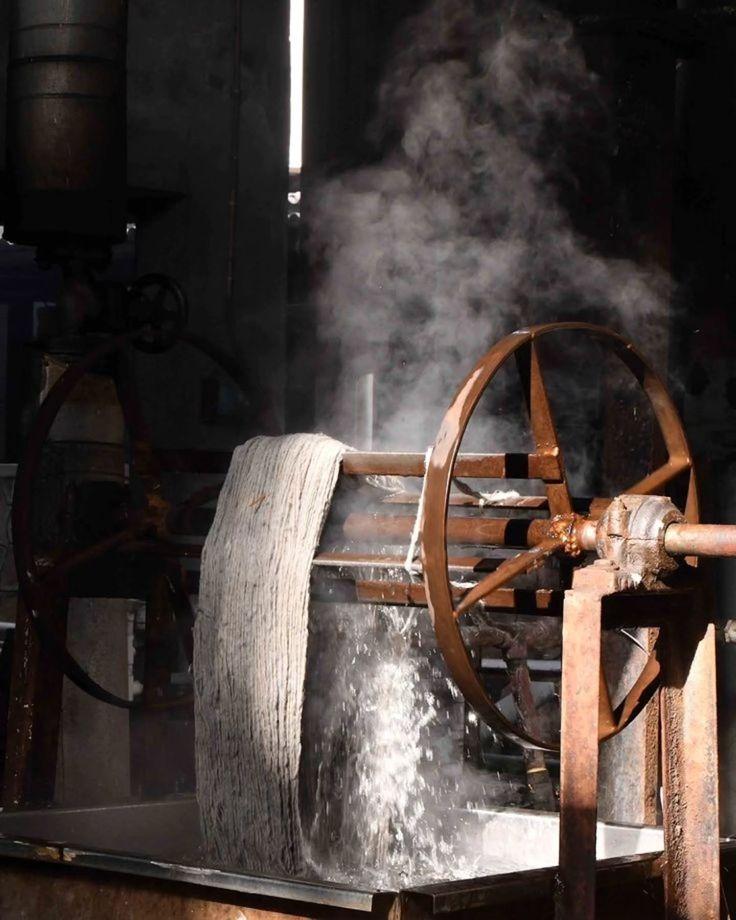
Minimum order quantities in handmade rug production are driven by the economics of loom set-up, dye batching, and finishing. A loom set up for a specific design and colourway requires a certain number of pieces to justify the set-up cost. Dye batching has a minimum quantity below which colour consistency becomes difficult to guarantee. These are not arbitrary commercial decisions but practical constraints of artisan production.
Hand-knotted rugs generally carry higher minimums per design than tufted or flatweave constructions because of the labour intensity and loom set-up investment. However, buyers who want to carry multiple designs with lower quantities per design can often structure their order as a programme across several designs, which allows the supplier to optimise loom usage across the full order.
If you are uncertain about your volume requirements, begin with a conversation rather than a quotation request. Sharing your planned range structure (number of designs, size run, approximate annual volume) with a potential supplier allows them to recommend an order structure that suits both parties.
The Sampling Stage: What to Request and What It Costs
Sampling is the stage where buyers and suppliers align on the actual product before production investment. For wholesale programmes, sampling typically involves a design sample (showing the pattern, colours, and construction in a reduced size), which the buyer reviews and may revise before approving for production.
Sample costs vary. Some suppliers absorb sampling costs within the first production order; others charge separately. Clarify this at the outset. Where a buyer is requesting multiple design samples simultaneously, it is standard practice to pay for sampling and negotiate a credit against the first production order.
Assess samples under the lighting conditions in which the rug will be sold or used, not in your office. If the rugs will primarily be shown in showrooms with warm artificial lighting, that is the environment in which to approve the colour. Decisions made under fluorescent office light produce complaints from customers who see the product in a different context.
Lead Times for Different Construction Types
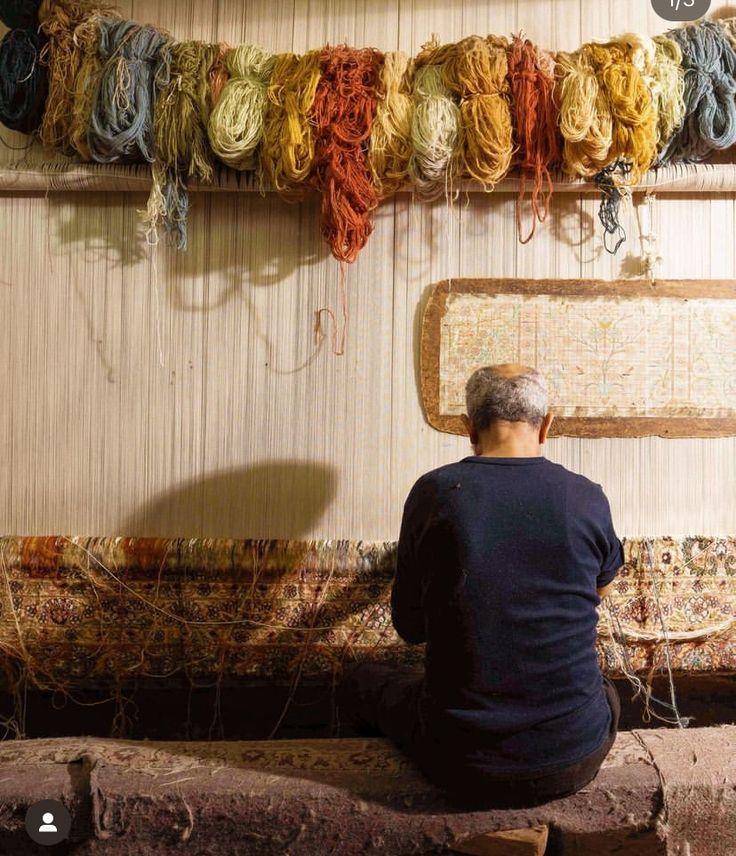
Flatweave rugs (kilims, dhurries) are the fastest to produce and are suitable for buyers with tighter lead time requirements. Hand-tufted rugs fall in the middle range. Hand-knotted rugs take the longest because each knot is tied individually by a skilled weaver.
Shipping from India to Europe or North America by sea freight adds several weeks to the production timeline. Buyers who need stock for a specific trade fair or retail season should work backwards from that date and share the constraint with their supplier early. Our export team can advise on optimal shipping windows for your destination market.
Air freight is available for urgent shipments but is significantly more expensive and less suitable for heavy goods. For repeat wholesale programmes, sea freight is the standard mode, and the shipping schedule should be built into the annual buying calendar.
Payment Terms and What is Standard in the Industry
Standard payment terms for wholesale rug orders from India are typically structured as a deposit on order confirmation, with the balance paid against shipping documents before the goods are released. The specific percentages vary by supplier and order size, but this two-stage structure protects both parties.
Letters of credit (LC) are used for larger orders, particularly with buyers who are new to a supplier relationship. As a relationship matures and trust is established, terms often become more flexible. Wire transfer (TT) is the most common payment method for established accounts.
Currency matters. Most Indian rug exporters quote in US dollars. If your purchasing currency is different, build exchange rate fluctuation into your cost planning, particularly for orders with long lead times between deposit and balance payment.
Building a Programme That Works Across Seasons
Wholesale rug programmes that work well over time are planned annually, not order by order. Sharing a twelve-month buying plan with your supplier, even in approximate form, allows them to reserve loom capacity, pre-source yarns, and stage production to hit your delivery windows without rush premiums.
Use your first season to test the quality, the communication, and the consistency of your supplier before committing to a large programme. A well-structured test order tells you everything you need to know about how the relationship will function at scale. Visit our collections for an overview of the construction types and design directions we produce, which may help frame your initial range discussion.
For ongoing wholesale buying conversations, our contact page connects you directly with our export team. Please share your range structure, target markets, and approximate annual volume in your initial message so we can respond with relevant information.
Frequently asked
Can I mix different constructions within a single wholesale order?
Yes, though mixing constructions within one order can affect logistics (different production timelines) and pricing. A mixed order is often structured as separate production lines that ship together, which requires planning both production schedules to align for a single shipment.
What documentation do I need to import rugs from India?
Standard documentation includes a commercial invoice, packing list, bill of lading or airway bill, and certificate of origin. Your customs broker will advise on any additional documentation required for your specific market and product classification.
How do I assess a new supplier before placing a first wholesale order?
Request samples of their standard production (not just their best showcase pieces), ask for references from existing wholesale accounts, discuss their quality control process and inspection access, and start with a modest test order before scaling. A factory visit, where feasible, is the most reliable assessment.
Is it possible to have my own label or brand on wholesale rugs?
Private label programmes are available from many rug exporters, including custom labels, care tags, and packaging. Discuss your requirements at the briefing stage, as labelling specifications affect packing and add to lead time.
By RS, 3 November 2025
More in Sourcing and Suppliers.
Follow the journal in Google Search. Readers who add us as a preferred source see our writing marked in Top Stories and in AI Overviews.