Manufacturer vs trading company vs sourcing agent: why it matters
When you send a rug enquiry to India, three kinds of business may reply: the manufacturer who runs the looms, a trading company or exporter that buys from several makers, and a sourcing agent who finds makers for a fee or commission. All three can be honest and useful. The risk comes from not knowing which one you are dealing with, because it determines who controls quality, who can change a specification and who is accountable if something goes wrong.
This guide explains how each model works, what to ask, and which suits which buyer. We are a manufacturer, so we declare our interest, but a fair comparison has to say where the other models are the better fit. See also our guide to rug sourcing agents in India and the ranking of rug manufacturers.
How each model works
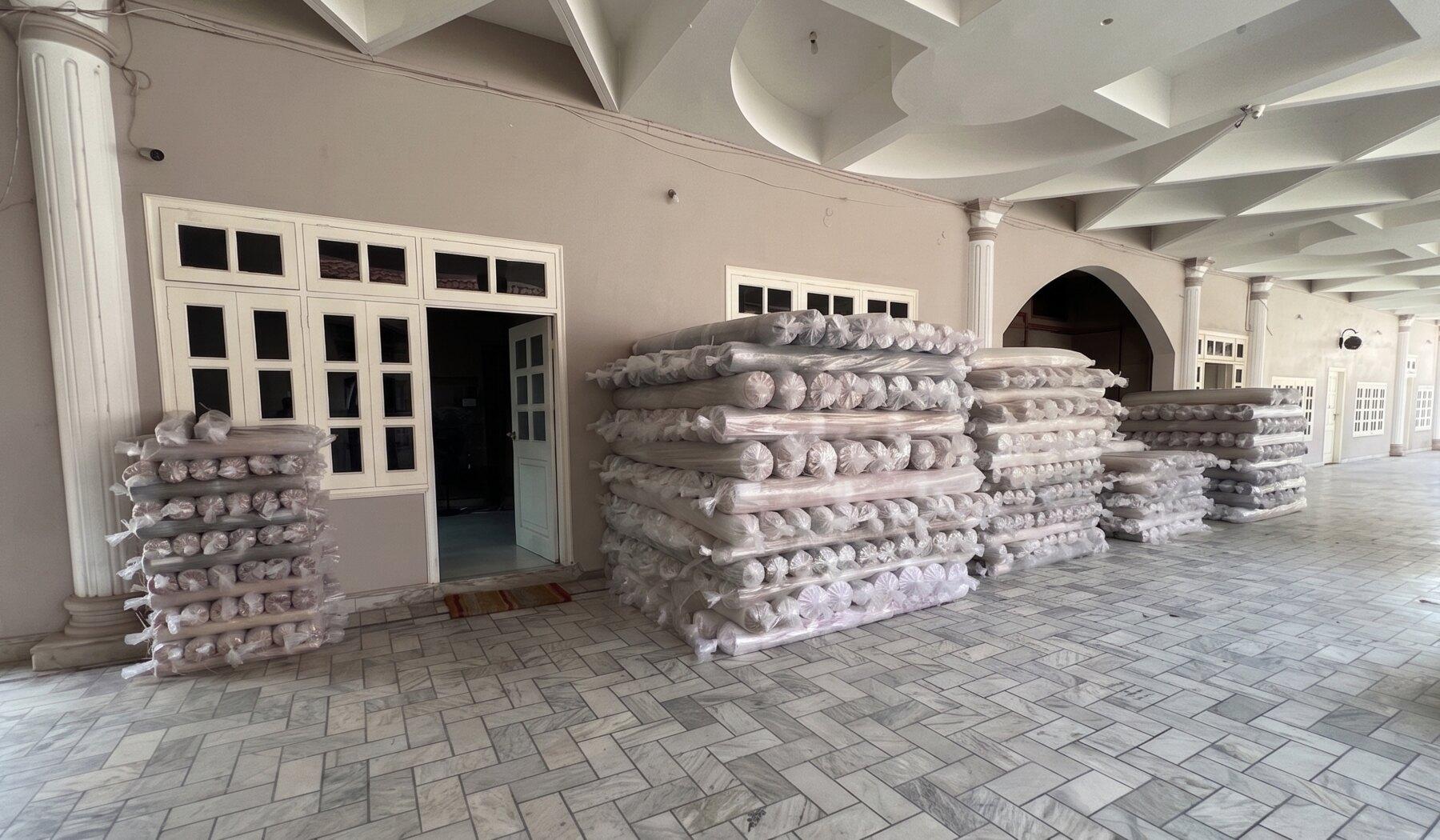
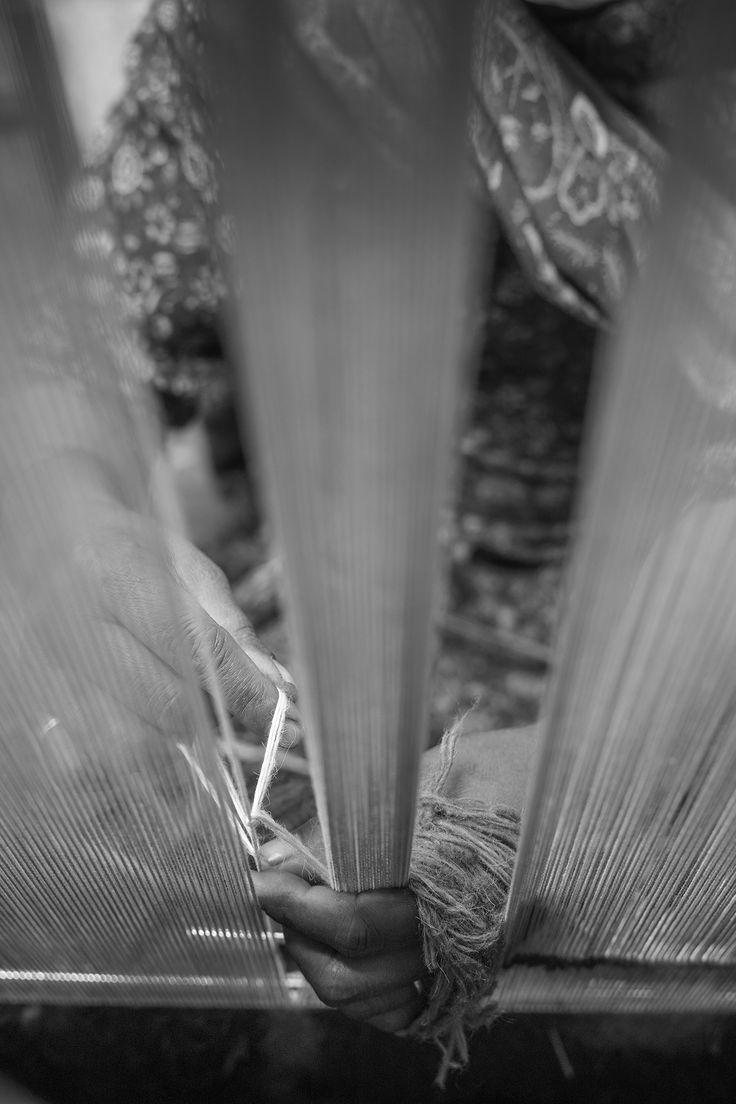
A manufacturer owns or controls the production: the dyeing, weaving and finishing. Communication goes to the people who plan the looms, so a change in colour, size or density can be decided and sampled quickly. The manufacturer carries responsibility for the work from yarn to despatch.
A trading company or exporter buys finished rugs or commissions production from several workshops, then sells and ships them. It can offer wide choice and mixed orders, and it handles export paperwork. It may not control how each workshop operates, so quality and lead times can vary by order.
A sourcing agent represents the buyer. It finds, vets and manages suppliers, often for a fee or a percentage, and may visit and inspect on the buyer's behalf. It adds a layer of service and local knowledge, and also a layer of cost and a further link in the chain.
| Factor | Manufacturer | Trading company or exporter | Sourcing agent |
|---|---|---|---|
| Controls production | Yes | Partly or no | No; manages suppliers |
| Customisation | Direct and fast | Depends on the workshop used | Depends on the supplier found |
| Product range | Its own capabilities | Wide, from several makers | Wide, by brief |
| Accountability | Single point | Shared with workshops | Shared with the chosen supplier |
| Extra cost layer | None | Trading margin | Fee or commission |
| Best for | Custom, repeat and OEM work | Mixed, small or varied orders | Buyers new to the market or without time to vet |
Questions that reveal which one you are talking to
Ask where the rugs are woven and whether you can see the looms, on video or in person. Ask who dyes the yarn and how colour is matched. Ask whether the person quoting is the person who plans production. Ask how a defect would be handled and who would pay. A manufacturer can answer these in detail. A trader or agent can too, but the answers will involve other parties.
Check the basics. Ask for the business registration, the export documents they use and any membership in a trade body. We state on our standards page what we hold today: registration with the Carpet Export Promotion Council, with other certification arranged per order, and no more claimed. Whoever you deal with should be equally plain about what they have and have not got.
Our carpet manufacturer page for Bhadohi describes how we work, and our about page gives our background.
Where risk sits
With a manufacturer, the risk is concentration. You depend on one business's capacity and capability, and it may not make every construction you want. With a trader, the risk is opacity. The quality you see in a sample may not be the quality of the next order if a different workshop makes it. With an agent, the risk is alignment. Check how the agent is paid and whether that rewards the lowest price, the highest commission or your interests.
None of these risks is disqualifying. A written specification, a signed sample and a defined inspection step reduce all of them. Our wholesale rug buying guide and custom rug MOQ and lead times guide explain the steps that protect an order.
How to verify any supplier before you pay
Whatever kind of supplier you choose, verify before you send a deposit. Ask for the legal name and registration of the business, and check that the name on the quotation, the invoice and the bank account is the same. Ask for references from buyers in your market, and speak to at least one.
Ask to see the work. A video call from the weaving hall, a walk through the dyeing area and a view of the finishing and despatch areas tell you more than a brochure. Ask for a sample made to your specification, and compare it with the specification line by line.
Agree payment terms that share the risk: a deposit at order, a balance against inspection and shipping documents, in line with the Incoterm. Our export and logistics page describes how we handle shipping and documents, and our guide to importing rugs into the US, UK and EU covers the buyer's side.
What good communication looks like
The best sign of a reliable supplier is how it handles a detailed question. A clear, specific answer, with a named person who can be reached, suggests control. A vague answer, a delay or a new person each time suggests that the enquiry has been passed along.
Ask who your single point of contact will be, how fast you can expect a reply, and how changes to a specification are recorded. Our request page states that we reply within one business day, which is the kind of commitment to ask every supplier to make in writing.
Finally, keep the specification, the signed sample and the quotation together. If anything is disputed, those three documents decide the outcome, and they protect both sides.
Verdict by use case
Choose a manufacturer for custom designs, private label, repeat programmes and projects where colour, size and construction must be controlled.
Choose a trading company for mixed, small or varied orders where breadth matters more than control over each piece.
Choose a sourcing agent if you are new to the market, need vetting and on-the-ground checks, and are willing to pay for that service.
If you are comparing quotes, use the same specification with every supplier, and ask each to state who weaves the rugs. To discuss a project, use the bulk quote form or contact us. Our OEM and private label page explains custom work.
Frequently asked
Is it better to buy rugs direct from a manufacturer?
For custom, repeat and private label orders, usually yes, because you deal with the people who plan production and you remove one margin layer. For small mixed orders, a trading company may offer more variety.
How can I tell if a rug supplier is a manufacturer?
Ask where the rugs are woven, who dyes the yarn, and whether you can see the looms on video or in person. A manufacturer can describe its production in detail and show it.
What does a sourcing agent do?
A sourcing agent finds and vets suppliers on the buyer's behalf, often managing samples and inspections, and is paid by a fee or commission. It adds service and local knowledge but also adds cost.
Should I check registration and certification?
Yes. Ask each supplier what they hold, ask for evidence, and be wary of vague claims. Be clear about what is held today and what would need to be arranged for your order.
By Raheem & Son Editorial Desk, 10 October 2026
Written with the production and export teams in Bhadohi, where Raheem & Son has made rugs since 1927. See about the house and how we manufacture. Read our editorial policy.
More in Sourcing and Suppliers.
Follow the journal in Google Search. Readers who add us as a preferred source see our writing marked in Top Stories and in AI Overviews.