Why the Rug Matters More in Hospitality Than Almost Anywhere
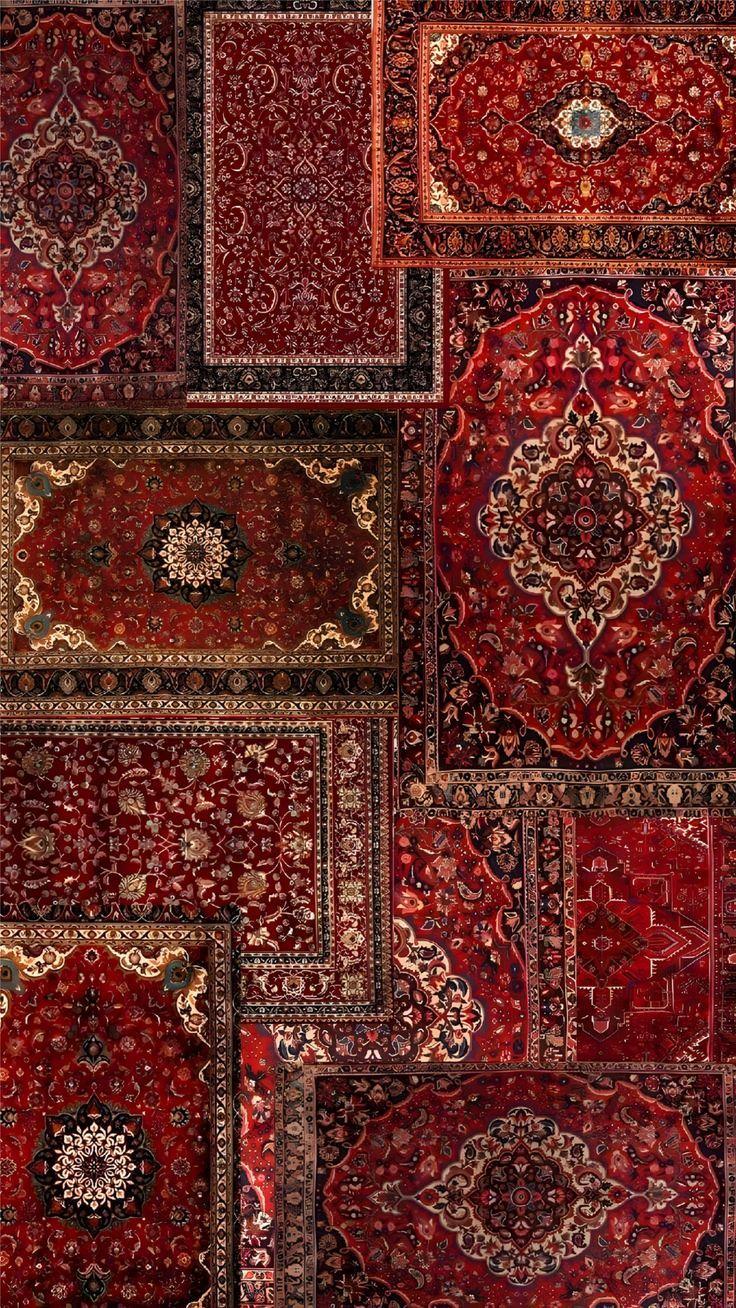
A hotel lobby is a first impression delivered at scale. Within seconds of entering, a guest forms a reading of the property: its positioning, its attention to detail, whether it belongs to the category it claims. The rug, more than almost any other element, carries this reading because it occupies the guest's primary field of vision and is the first surface they physically encounter.
In restaurants, the rug defines zone and mood simultaneously. It absorbs sound, softens the acoustic register of a room, and signals formality or informality without a single word of signage. In private suites, it is the object that transforms a room from a serviced space into something that feels, however briefly, like a home.
This is why hospitality designers treat rug specification with a seriousness that might surprise clients unfamiliar with the category. The rug is not a soft furnishing to be selected after the hard finishes are resolved. It is a primary design decision that influences everything around it.
Scale: Getting the Proportions Right for Public Areas
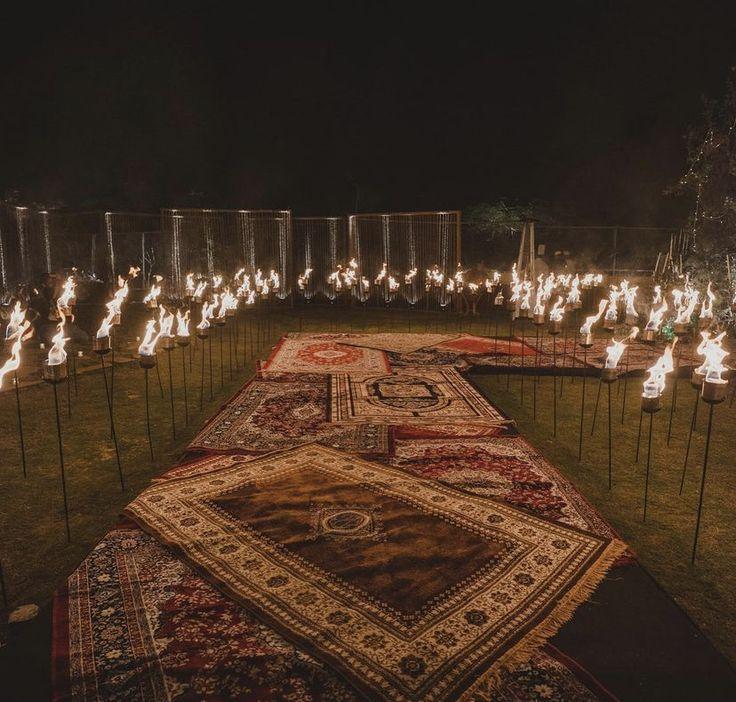
Lobby rugs in luxury properties are typically large, often significantly larger than any residential piece. The scale requirements of a hotel entrance, where ceiling heights may reach six metres or more and the circulation path is wide, demand rugs that can hold visual weight at a distance while also rewarding close inspection.
The common error in public-area specification is under-scaling. A rug that might appear generous on a showroom floor can look lost in a double-height lobby. We recommend that designers work from plan at 1:50 or 1:20 before committing to dimensions, placing the rug footprint in relation to the full floor area rather than individual seating groups.
For large public rugs, our size and fitting guide provides useful starting proportions, though hospitality projects typically require bespoke dimensioning rather than standard sizes. Our contract team can advise on technical limitations for very large single-piece rugs versus coordinated multi-piece configurations.
Durability and Construction for High-Traffic Zones
The durability requirements of a luxury hotel lobby are fundamentally different from those of a private residence. A lobby rug may see hundreds or thousands of footfalls per day, including luggage trolleys, cleaning equipment, and foot traffic in wet weather conditions. The construction must be chosen accordingly.
Hand-knotted rugs with a high knot count and a dense, properly finished pile perform well in high-traffic settings when the wool quality is appropriate and the rug is laid on a correct underlay. The tightly bound structure of a knotted rug resists crushing and fibre migration over time in a way that tufted or woven alternatives do not.
Pile height is a practical consideration in hospitality contexts. A long, luxurious pile that reads beautifully in a residential setting can trap debris, show traffic lanes quickly, and make luggage trolley movement difficult in a lobby. Medium pile heights, carefully finished, typically perform better without sacrificing the tactile quality guests expect.
Our contract quality standards detail the construction criteria we apply to hospitality commissions, including abrasion resistance, pile recovery, and colour fastness under cleaning protocols.
Custom Design for Brand Coherence
Luxury hospitality brands with a strong visual identity increasingly specify fully custom rug designs rather than selecting from existing collections. A bespoke rug allows the designer to embed the brand palette, motifs, and spatial logic directly into the floor, creating a coherence between the rug and the broader interior that cannot be achieved with a catalogue selection.
We have worked with hospitality design studios on commissions where the rug design was derived directly from architectural details: a ceiling moulding, a carved screen, a repeated facade element. This kind of referencing creates interiors that feel considered at every scale, from the building envelope to the floor surface.
The design process for a hospitality commission follows the same sequence as a residential bespoke piece, but with additional review stages to ensure the design performs correctly at public scale. You can read more about how a design moves from drawing to loom in our earlier guide.
Restaurants and Private Dining: Acoustic and Aesthetic Considerations
Restaurant rug specification involves an additional variable that lobby or suite work does not: the acoustic performance of the floor covering in a space that relies on controlled ambient sound for the dining experience. Hard floors in restaurants create reflective acoustic environments that can make conversation difficult and dining uncomfortable. A well-specified rug absorbs mid-frequency sound and significantly improves the acoustic character of the room without architectural intervention.
In fine dining contexts, the rug must also be resistant to spillage and respond well to professional cleaning. Wool's natural structure makes it more resistant to liquid penetration than synthetic alternatives, and its soil-release properties are well suited to environments with frequent, intensive cleaning schedules.
Private dining rooms offer more latitude for complex design and longer pile because foot traffic is lower and the design intention is more intimate. These spaces often benefit from rugs that reward close attention, with layered pattern or tonal variation that reveals itself gradually.
Project Logistics: Lead Times, Site Access and Delivery
Hospitality projects operate on fixed opening dates with no flexibility. A rug that arrives two weeks after opening is of no value. For this reason, we treat project timeline management as seriously as design quality in our contract work.
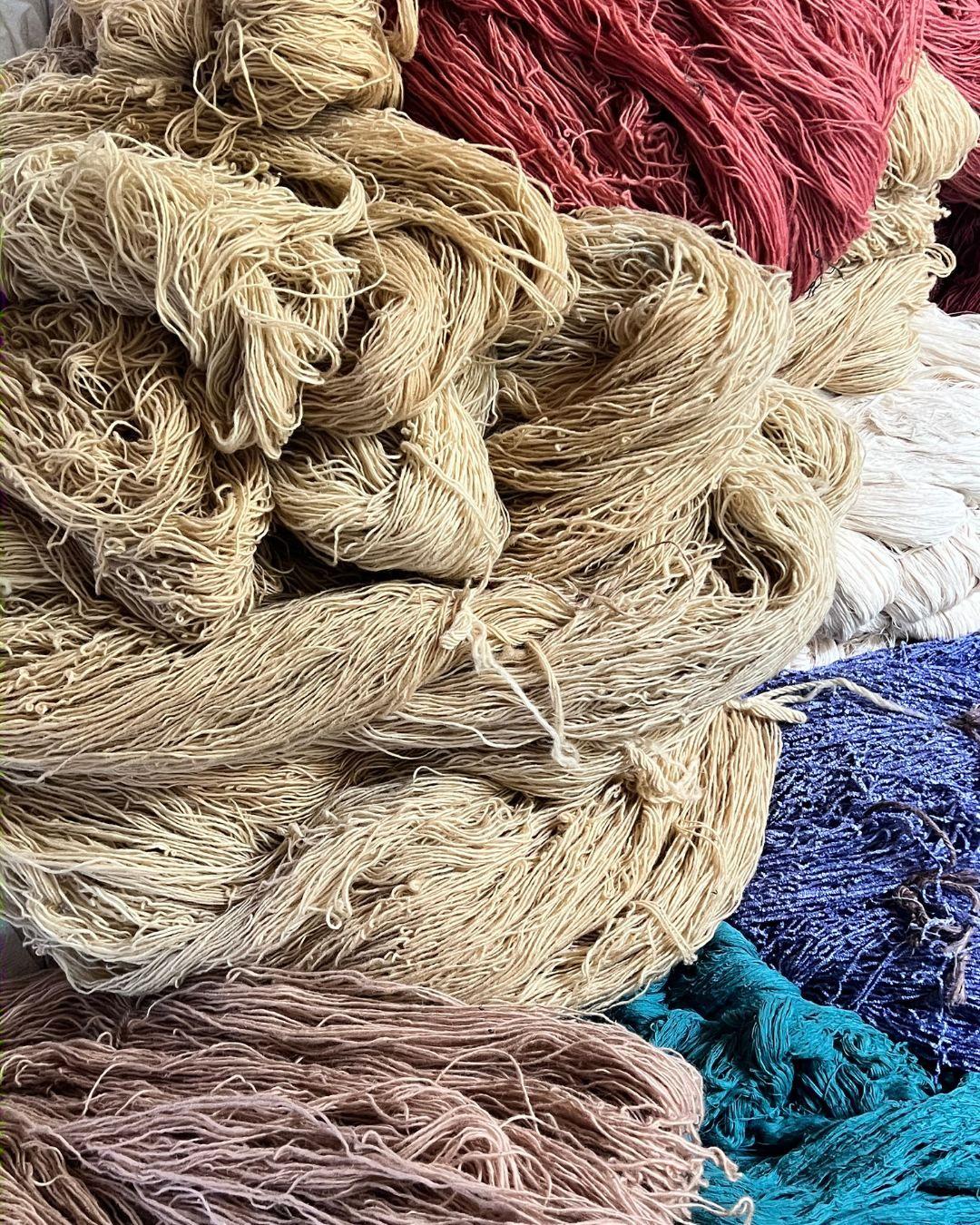
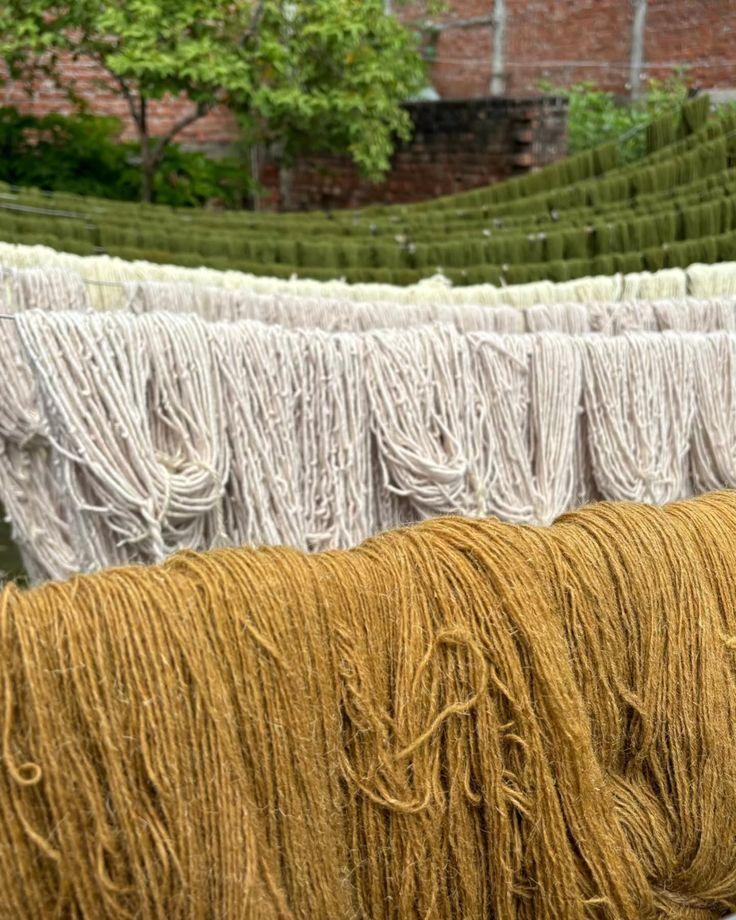
We recommend that rug commissions for hospitality openings are initiated at least six months before the anticipated delivery date. For complex multi-piece commissions or designs requiring natural dyes, twelve months is more appropriate. Early initiation protects against production delays and allows time for the review stages that a bespoke piece requires.
Delivery logistics for large hospitality rugs are a specialist operation. Very large pieces require careful rolling, protected transport, and experienced installation teams. Our contract export team can coordinate delivery directly to site or to the client's nominated installer. We can also advise on pre-installation storage if the project site is not ready at the point of rug completion.
Beginning a Hospitality Rug Specification
Our contract team is experienced in working alongside architectural practices, interior design studios, and hotel brand teams from early design through to installation. We can provide preliminary specifications, sample boards, and indicative lead-time schedules at feasibility stage without commitment.
The best hospitality commissions begin early and stay in close communication throughout. We encourage design teams to treat our team as a technical partner in the project rather than a supplier to be briefed at the final stage. Contact our contract team to discuss your project.
Frequently asked
What rug construction is best for a high-traffic hotel lobby?
Hand-knotted rugs with appropriate knot density, medium pile height, and high-quality wool are well suited to hotel lobbies. The dense, bound structure resists crushing and performs well under regular professional cleaning.
Can you manufacture multiple bespoke rugs to the same design for a hotel project?
Yes. We regularly produce coordinated sets of rugs for hospitality projects, including consistent designs across multiple suites or rooms. Our production team plans across multiple looms for large-scale commissions to manage lead times.
How do handmade rugs perform under commercial cleaning regimes?
Wool hand-knotted rugs respond well to professional cleaning when the correct methods are used. We provide care and cleaning guidance for all hospitality commissions and can advise on compatible cleaning contractors.
How far in advance should a hospitality rug commission be initiated?
We recommend a minimum of six months for standard commissions and up to twelve months for complex multi-piece projects or those requiring natural dyes. Earlier is always better in hospitality contexts where opening dates are fixed.
By RS, 18 September 2025
More in Contract and Hospitality.
Follow the journal in Google Search. Readers who add us as a preferred source see our writing marked in Top Stories and in AI Overviews.