MOQ vs sample order: two tools for two risks
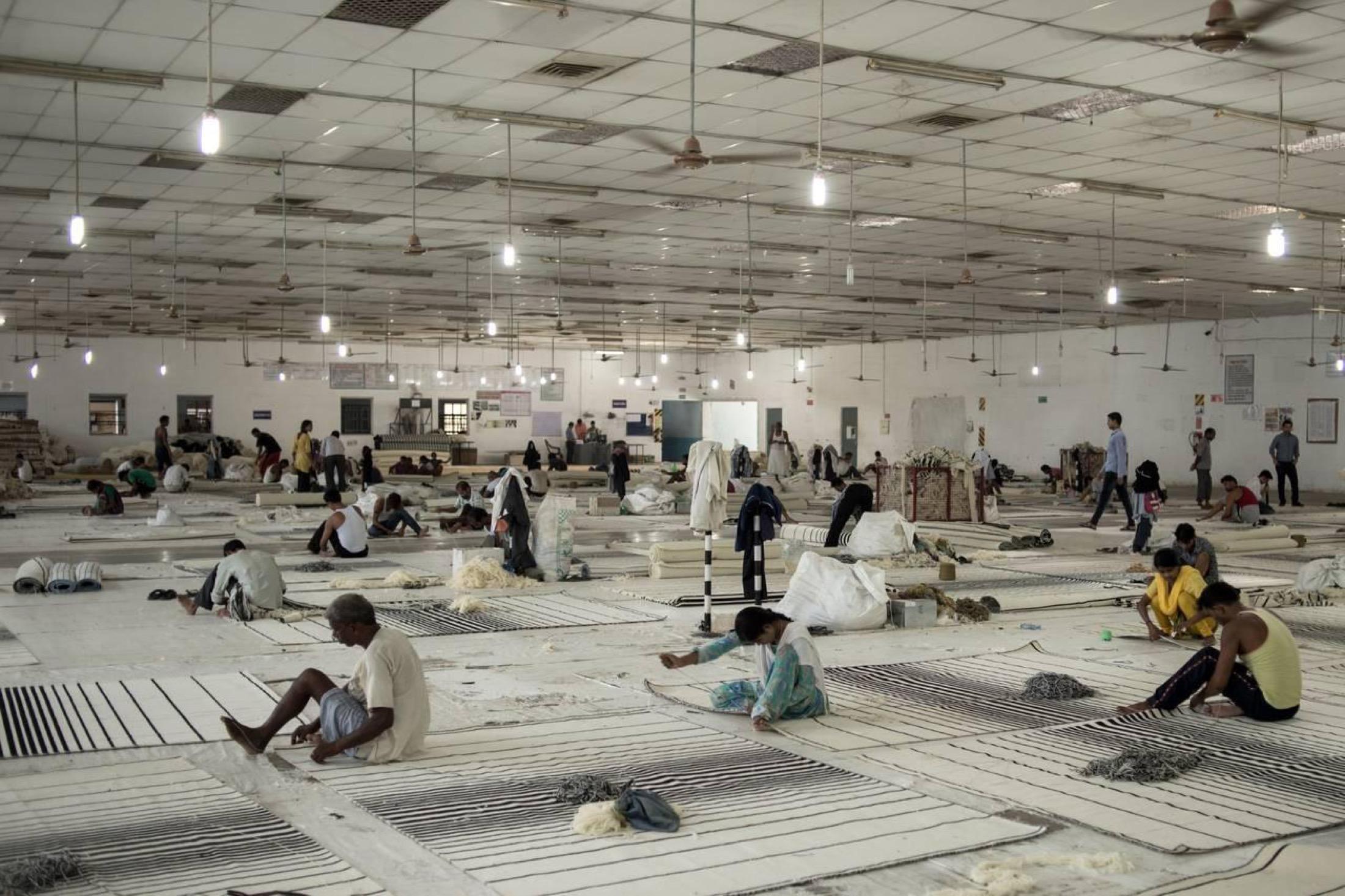
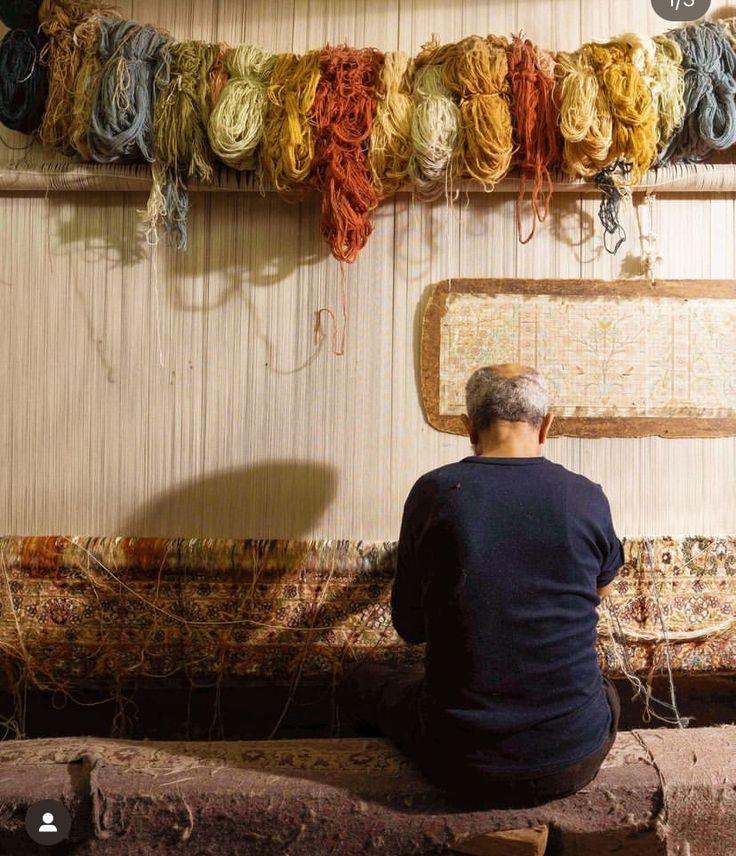
Every first conversation with a rug maker comes back to two questions: what is the minimum order, and can I see a sample first? They sound like one question but they answer different risks. A minimum order quantity, or MOQ, exists because making a rug involves set-up that is spread across the run: dyeing, warping the loom, preparing the pattern. A sample order exists to let you check the product before you commit to that run.
Understanding how they fit together is the difference between a controlled start and an expensive surprise. This guide explains each, shows how to sequence them, and gives a verdict by buyer type. Our deeper guide to custom rug MOQ and lead times covers the numbers by construction.
What each one is for
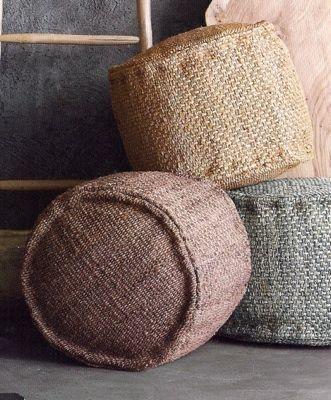
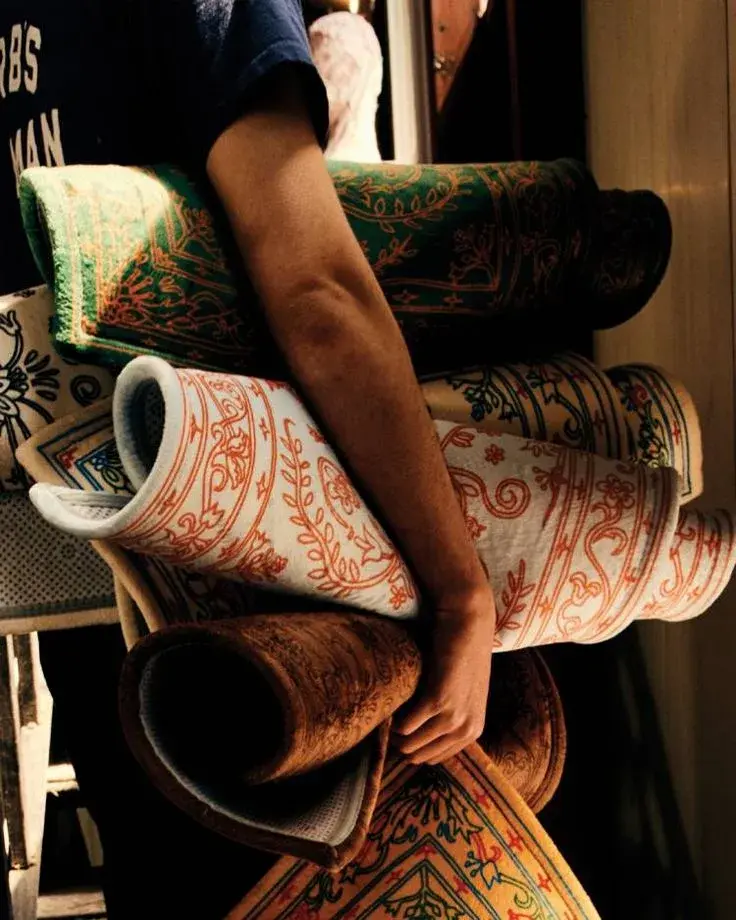
A sample, in our programme, is a small piece made to show yarn, colour, pile and construction. The sample programme offers pocket-sized swatches, boxed colour sets and 18 x 18 in studio samples, made by the same artisans who weave the rug. Samples take 25 to 35 days from an approved design and specification.
A minimum order is the smallest run a maker will take on for a design. On our request page we state that there is no fixed minimum, and that we work from single pieces up to full container loads and repeat programmes. We confirm what is workable once we know your volume, construction and designs. That is not a universal position in the trade, so ask every supplier what its minimum depends on.
| Factor | Sample order | Minimum order (MOQ) |
|---|---|---|
| Purpose | Check quality, colour and construction | Cover set-up and make production viable |
| Who it protects | The buyer | The maker |
| Typical size | Swatch, colour box or studio sample | A production run of one or more designs |
| Lead time | 25 to 35 days from approved specification | From 60 days for bulk production, confirmed at order |
| Cost basis | Priced per project | Quoted per project |
| Question it answers | Is this what I want? | Is this worth making at this scale? |
Why minimums attach to designs and colours
A minimum is rarely a single number for the whole order. It usually attaches to a design in a colour. A run of one design in one colour is straightforward. The same total quantity spread across many designs and colours means many separate set-ups, each with its own dye lot and loom time, and will be quoted differently. When a supplier names a minimum, ask whether it is per design, per colour or per order.
Construction matters too. Hand-knotted work takes much longer per piece than flatweave, which changes what a sensible run looks like. If volume is a concern, ask whether the design can be made in a construction that suits your quantity. We cover that comparison in our weaving guide and our post on flatweave vs pile rugs.
How to sequence them
Start with samples. Choose two or three designs, request them in the construction and colourway you are considering, and judge them in your own light. Keep the sample, since it becomes the reference for production. Where colour is critical, ask for a tuft card or strike-off as well.
Then discuss the minimum. With an approved sample, a supplier can quote the production run on a firm specification, and you can compare it to your forecast. If the minimum is higher than you want, ask what changes it: fewer colours, a different construction, a repeat programme or a staged delivery.
Finally, place the order against the signed sample, with the tolerance and the lead time in writing. Our specification checklist lists what to include. Our guide to ordering handmade rugs in bulk from India walks through the full order.
Common mistakes
Skipping samples to save time usually costs more time. Treating the minimum as fixed without asking what it depends on can lock you into a run you do not need. Approving a sample in one colourway and ordering in another invites a dispute. Assuming the lead time includes sampling when it does not can ruin a programme.
Ask each supplier to state in writing whether the lead time runs from enquiry, from sample approval or from deposit. It is the clearest sign of a supplier that plans carefully.
How to negotiate a minimum without overbuying
If a minimum is higher than you want, there are legitimate ways to bring it down. Reduce the number of colours, since each adds a dye lot. Choose a construction that is quicker to make. Offer a repeat programme, so the maker can plan loom time across several deliveries. Accept a longer lead time, which lets the maker slot your order in between others.
It is worth asking, too, whether part of the order can be held as undyed or pre-dyed stock for later release. Some makers will do this, and some will not, and it is a question that costs nothing to ask.
What you should not do is accept a larger quantity just to secure a price, unless you are confident you can sell or use it. A rug that sits in a warehouse is a cost, not an asset, and good suppliers prefer a buyer who returns to a smaller repeat order.
What a good first sample should tell you
A good sample is not only a swatch of colour. It tells you how the yarn feels, how dense the weave is, how the edges are finished and how the pile sits. Compare it with the specification, and check the back as well as the front. Keep it, because it is the reference for production.
If the sample is of a different size from the finished rug, ask how its behaviour will change at full scale. A pattern that reads well in 18 x 18 in can feel different across a three-metre rug, which is why a larger sample or a strike-off is useful for important designs.
Record any differences between the sample and the order, such as pile height or edge treatment, in writing before production starts. That keeps the production rug and the sample you approved the same product.
Verdict by buyer type
If you are a designer on a single project, start with samples, then ask about a single-run quantity. If you are a retailer testing a range, sample several designs, then place a first order on the one or two that work. If you are an importer planning a programme, sample widely, negotiate the minimum around a repeat schedule and confirm Incoterms.
To begin, request samples, and when you are ready for volume, send your specification through the bulk quote form or get in touch.
Frequently asked
Do you have a minimum order quantity?
There is no fixed minimum. We work from single pieces up to full container loads and repeat production programmes. Tell us your volume and we will confirm what is workable.
Should I order samples before placing a bulk order?
Yes. A sample lets you check colour, pile and construction before committing to a run. Samples and strike-offs take 25 to 35 days from an approved design and specification.
Why do minimums differ by design and colour?
Because set-up work, such as dyeing and preparing the loom, is repeated for each design and colour. A run of many small variations costs more to set up than the same total in a few.
How long does bulk production take?
Bulk production starts from 60 days and varies with order size, construction and loom load. Lead times are confirmed at order.
By Raheem & Son Editorial Desk, 9 October 2026
Written with the production and export teams in Bhadohi, where Raheem & Son has made rugs since 1927. See about the house and how we manufacture. Read our editorial policy.
More in Sourcing and Suppliers.
Follow the journal in Google Search. Readers who add us as a preferred source see our writing marked in Top Stories and in AI Overviews.